
Best Pillowcases For Cooling Pillows – 2026 Reviews

A cooling pillow can only do so much if the pillowcase on top traps heat. That is the frustrating part of shopping this category: a pillow that feels cool in the store can sleep warm once it is wrapped in a tight, non-breathable cover. The right pillowcase for a cooling pillow should let air move, wick moisture, and feel neutral-to-cool against your skin without sliding around all night.
Fabric is the first dividing line. Bamboo-derived viscose and purpose-built cooling knits tend to breathe and wick better than standard cotton, while satin and silk are smoother on hair but not automatically cooler. Fit and closure matter just as much: a loose envelope can bunch, a zipper can keep things secure, and either can affect how the pillowcase feels over a cooling pillow’s surface.
We compared pillowcases across major brands with those cooling-pillow priorities in mind. Some are built around cool-to-touch fibers, some lean on bamboo breathability, and others earn their place by protecting hair and skin while staying reasonably comfortable. Here is how they sort out.
Best Pillowcases for Cooling Pillows – 2026 Reviews
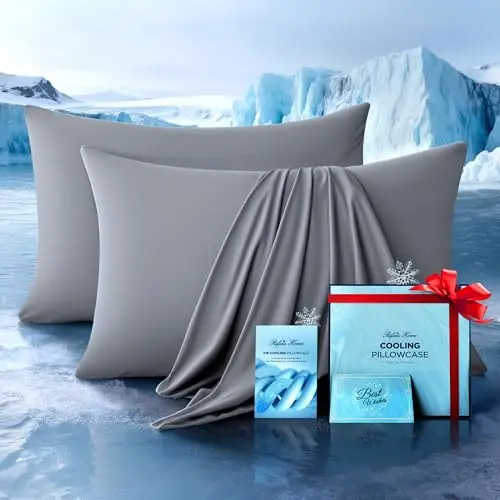
Ultra-Chill Cooling Pillowcase Set – Purpose-Built Cooling for Hot Sleepers
A purpose-built cooling pillowcase set made from a nylon-spandex blend with a cool-to-touch finish. The zipper closure keeps the case snug around a standard pillow, and the fabric is designed to feel silky rather than slick.

PureWoven Bamboo Pillowcase Set – Breathable Cooling on a Budget
A bamboo-derived rayon pillowcase set with a moisture-wicking twill weave and envelope closure. It is designed to feel cooler than cotton while staying soft against hair and skin.
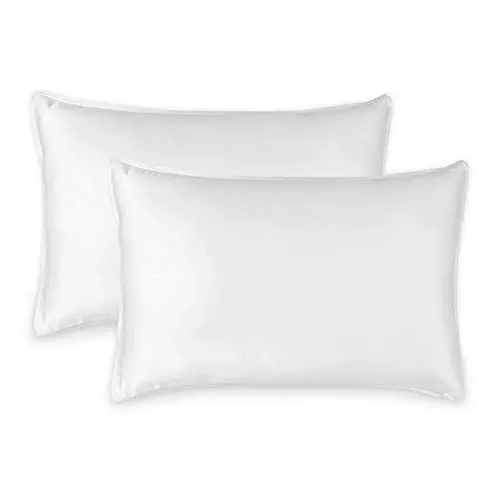
Queen Pillowcase Set – Organic Bamboo Softness with Lifetime Guarantee
A two-piece queen pillowcase set made from organic viscose derived from bamboo, with double-stitched seams, envelope closure, and a cooling, moisture-wicking hand feel.
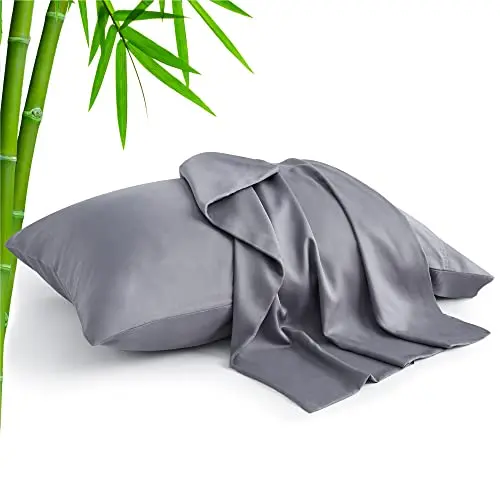
Bamboo Cooling Pillowcase Set – Breathable Relief for Night Sweats
A bamboo-derived viscose pillowcase set with a breathable, cool-to-touch finish and a deep envelope closure. It is aimed at hot sleepers and night-sweat-prone sleepers.
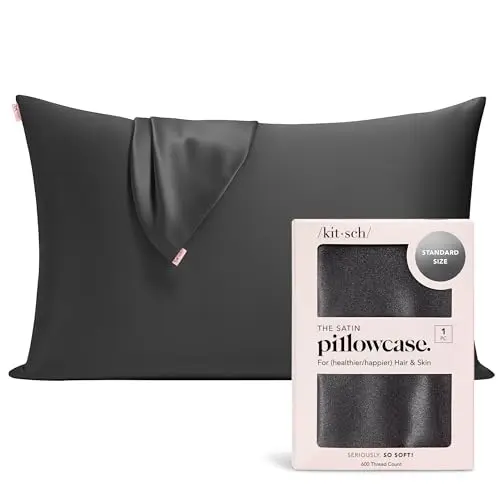
Satin Pillowcase with Zipper – Secure, Smooth Hair Protection
A single satin pillowcase with a zipper closure, designed to reduce friction on hair and skin while staying cool and breathable. The tailored fit keeps the pillowcase in place.
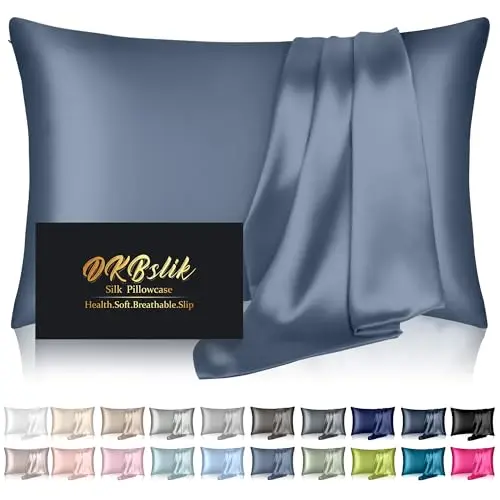
Mulberry Silk Pillowcase – Thermoregulating Silk for Hair and Skin
A mulberry silk pillowcase with a hidden zipper and a natural thermoregulating hand feel. It is aimed at hair and skin protection with a cooling-sleep angle.
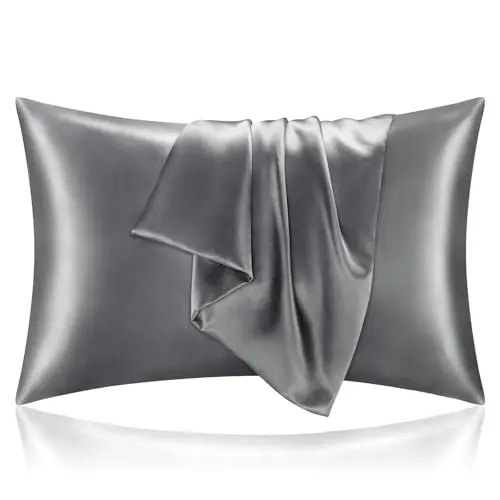
Satin Pillowcase Set – Friction-Free Smoothness for Hair and Skin
A polyester satin pillowcase set with an envelope closure and a smooth, friction-reducing surface. It is designed for hair and skin comfort rather than dedicated cooling.
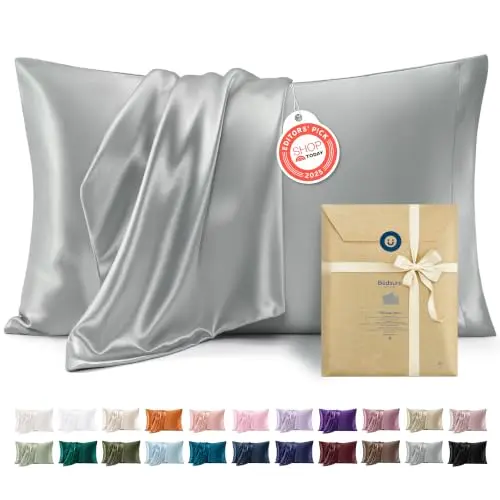
Satin Pillowcase Set – Affordable Silky Smoothness
A two-pack of polyester satin pillowcases with an envelope closure and a silky, friction-reducing surface. It is a budget-friendly choice for hair and skin smoothness.
How We Evaluated These Pillowcases for Cooling Pillows
We didn’t run lab thermal-imaging tests or put these pillowcases through controlled sleep trials at different room temperatures. What we did: cross-referenced 8 pillowcase models from 6 distinct brands across six decision axes – fabric breathability, moisture-wicking behavior, cool-to-touch feel, closure and fit, care requirements, and suitability for a cooling pillow. We triangulated published fabric specifications, feature claims, and owner feedback where available, then mapped each option against the real-world needs of hot sleepers and cooling-pillow owners.
For this category, the useful signals are not just whether a fabric sounds cool. We weighed how the material handles moisture, whether the closure keeps the case wrapped smoothly around a cooling pillow, and how much care the fabric demands. A satin case can feel smooth but trap warmth; a bamboo-derived rayon can breathe better but wrinkle; a purpose-built cooling knit can feel cool at first touch but needs airflow to keep that sensation going. We audited those tradeoffs against the use case rather than treating one fabric as universally best.
The scoring framework weighted real-world fit for cooling-pillow use (70%) – how well each pillowcase supports airflow, moisture movement, and comfortable sleep – against feature differentiation (30%) – unique construction, closure design, and material advantages. We have no commercial relationship with any brand here; recommendations track fit and differentiation, not brand preference. If you want the most purpose-built cooling option, the Rifens Ultra-Chill is the match. If you want a breathable bamboo set at a more accessible tier, the Bedsure PureWoven makes more sense.
How to Choose the Right Pillowcases for Cooling Pillows
1. Why Breathability Matters for a Pillowcase on a Cooling Pillow
A cooling pillow works by moving heat away from your head, but a pillowcase can undo that if it traps air and moisture. The first thing to look for is breathability: a fabric that lets air move will feel less clammy than a tight weave that sits hot against your skin. Moisture-wicking matters just as much for night-sweat-prone sleepers, because damp fabric feels warmer than dry fabric even when the room is cool. Bamboo-derived viscose is a common choice here because it tends to feel cool to the touch and handles moisture well. If you want a purpose-built cool-to-touch fabric, the Rifens Ultra-Chill is the pick.
2. Cool-to-Touch vs. Moisture-Wicking Pillowcase Fabrics
These are related but not identical traits. Cool-to-touch fabrics, often nylon-spandex blends or specially finished knits, feel cold when you first lie down and can help with the initial sensation of heat. Thermoregulating fabrics like silk and bamboo-derived rayon aim to keep temperature steadier through the night, while satin is smoother on hair and skin but not automatically cooler. If night sweats are your main issue, the moisture-wicking Bedsure PureWoven is the pick; if you want the strongest instant-cool feel, start with a purpose-built cooling fabric.
3. Fit and Closure for Cooling Pillows
A cooling pillow is not always a standard pillow underneath. Some have smooth covers, some have textured panels, and some are thicker than a basic bed pillow. That makes fit important: a case that is too loose will bunch and slide, while one that is too tight can compress the pillow and reduce airflow. An envelope closure gives a clean tucked look, while a zipper closure is the most secure option if the pillow tends to slip. If you want the most secure fit, the Kitsch Satin Pillowcase with Zipper is the pick.
4. Bamboo vs. Satin vs. Silk: Which Pillowcase Works Best With a Cooling Pillow?
Bamboo viscose is the most straightforward match for a cooling pillow because it breathes, wicks moisture, and has a soft hand feel. Polyester satin is excellent for reducing friction on hair and skin, but it can sleep warmer for some people, so it is a better fit for smoothness than active cooling. Mulberry silk is naturally thermoregulating and feels cool in warm rooms, but it usually costs more and demands gentler care. There is no single winner: choose bamboo for breathability, satin for a secure smooth surface, and silk for a natural thermoregulating feel.
5. What to Expect at Each Price Tier
Entry-level pillowcases are usually budget-friendly satin or polyester sets. They can be smooth and easy to wash, but they are not always the coolest choice for a hot sleeper. Mid-range bamboo options add breathability and moisture-wicking without jumping to the top of the market. The premium tier brings purpose-built cooling fibers, organic certifications, double stitching, or silk, and the differences show up in hand feel, closure quality, and long-term durability. Spend where the fabric matches your main problem: overheating, night sweats, hair frizz, or fit.
Frequently Asked Questions
1. What is the best pillowcase material for a cooling pillow?
For most hot sleepers, a bamboo-derived viscose or a purpose-built cool-to-touch fabric is the most practical match. Bamboo breathes and wicks moisture, while cooling knits feel cold at first touch and are designed to move heat away. Silk is a good thermoregulating alternative if you also care about hair and skin, and satin is smooth but not automatically cooling. The key is to avoid a tight, non-breathable weave that traps heat against the cooling pillow.
2. Rifens Ultra-Chill vs. Bedsure PureWoven: Which cooling pillowcase is better?
The Rifens Ultra-Chill is the more purpose-built cooling option, with a cool-to-touch nylon-spandex fabric and a zipper closure that keeps it secure. The Bedsure PureWoven leans on bamboo-derived rayon for breathability and moisture-wicking, and it costs less. Choose Rifens if instant-cool feel and a locked-in fit matter most. Choose Bedsure if you want a budget-friendly bamboo set and do not mind a little wrinkling.
3. Pure Bamboo vs. BEDELITE Cooling: How do these bamboo pillowcases compare?
Both use bamboo-derived viscose and aim for a cool-to-touch feel, but they sit at different levels. Pure Bamboo emphasizes organic sourcing, double-stitched seams, and a lifetime guarantee. BEDELITE Cooling is the more budget-friendly bamboo set, with a deep envelope closure and a breathable hand feel. Pure Bamboo is the better pick if you want premium construction and a guarantee; BEDELITE is the better value if you want to try bamboo cooling without a big spend.
4. Do satin pillowcases work with cooling pillows?
They can, but with a caveat. Satin is smooth and reduces friction on hair and skin, and a zipper closure can keep it from sliding off a cooling pillow. However, many satin pillowcases are polyester, which can sleep warmer than bamboo or purpose-built cooling fabrics. If you run hot, use satin as a hair-and-skin pick rather than a cooling-first pick. If you want both, look for a satin case with a breathable back or pair it with a cool room.
5. How should I care for cooling pillowcases?
Wash cooling pillowcases in cold water on a gentle cycle and tumble dry low or line dry. Avoid fabric softener, which can coat moisture-wicking fibers and reduce their performance. Bamboo-derived fabrics may wrinkle or shrink slightly, so remove them from the dryer promptly. Silk needs the gentlest care, often hand washing, while satin and cooling knits are usually more forgiving. Always check the care label before washing a new set.
Final Verdict
For most people shopping for a pillowcase to use with a cooling pillow, the Rifens Ultra-Chill is the clearest match. It is purpose-built around a cool-to-touch fabric, keeps the pillow secure with a zipper, and feels silky without the clammy plastic effect some cooling covers have. If you want a breathable bamboo set at a more accessible tier, the Bedsure PureWoven is the value pick, and it handles moisture well for hot sleepers. If you prefer organic materials and a lifetime guarantee, the Pure Bamboo queen set is the premium alternative. And if your cooling pillow tends to slide inside its case, the Kitsch Satin Pillowcase with Zipper is the secure-fit choice. Match the fabric to your main problem, and the cooling pillow has a better chance of doing its job.
