
Best Pillows For A Bulging Disk In The Neck – 2026 Reviews

A bulging disk in the neck has a way of making every pillow feel wrong. You lie down tired, then spend the next hour negotiating with a pillow that is too high, too flat, or too soft to keep your head in a neutral line. The wrong loft can leave you stiff in the morning; the right one supports the curve of your neck without cranking your chin toward your chest.
The useful split in this category isn’t brand versus brand. It’s contour shape, loft adjustability, and sleep-position fit. A back sleeper usually needs a different height than a side sleeper, and stomach sleepers need the lowest profile of all. Cooling covers and washable cases are nice, but they matter less than getting the neck angle right.
We compared cervical pillows and a targeted traction option across the market to help you choose by sleep style, firmness preference, and how much adjustability you want. The goal is simple: a pillow that supports your neck through the night, not one that just feels good for five minutes.
Best Pillows for a Bulging Disk in the Neck – 2026 Reviews
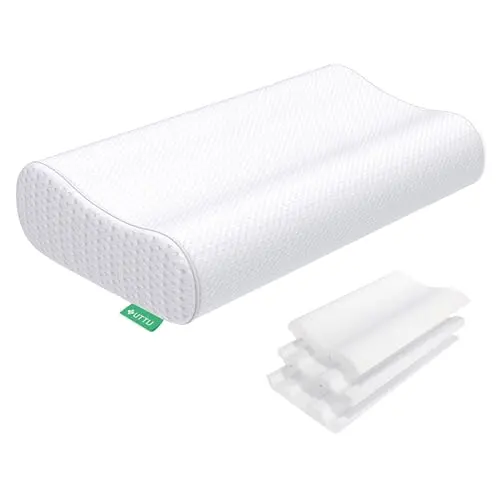
Sandwich Pillow – Adjustable Cervical Support
A medium-firm memory foam cervical pillow with two loft heights and a removable middle layer, so back, side, and stomach sleepers can dial in the neck support they need.
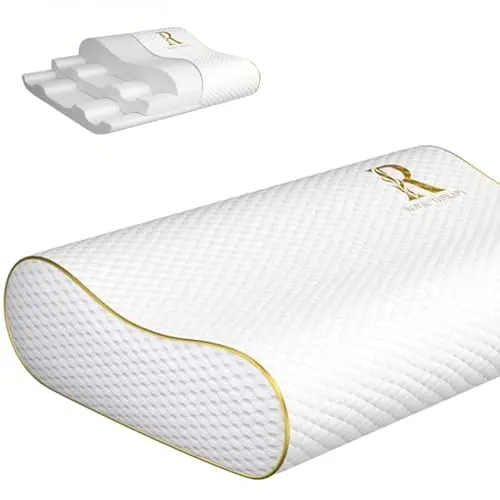
Memory Foam Pillow – Three-Layer Contour Support
A three-layer memory foam contour pillow with a medium-firm feel, a ventilated build, and a soft rayon-from-bamboo cover for sleepers who want orthopedic support with a plusher finish.
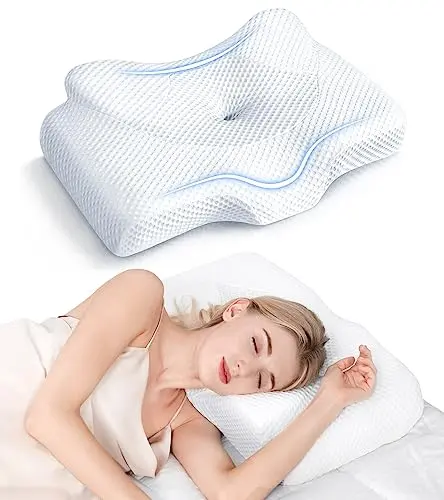
Cervical Pillow – Hollow-Center Neck Support
A hollow-center cervical pillow with a cooling 3D mesh cover, odorless memory foam, and two height options via rotation or a removable insert.
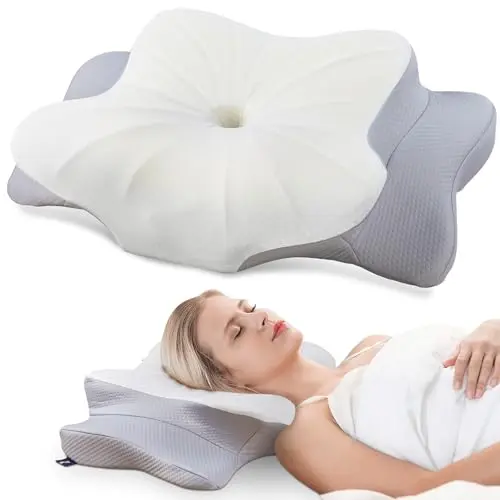
Cervical Pillow – Dual-Height Side-Sleeper Support
A dual-height cervical pillow with armrest grooves, a breathable cooling cover, and slow-rebound memory foam for side, back, and stomach sleepers.
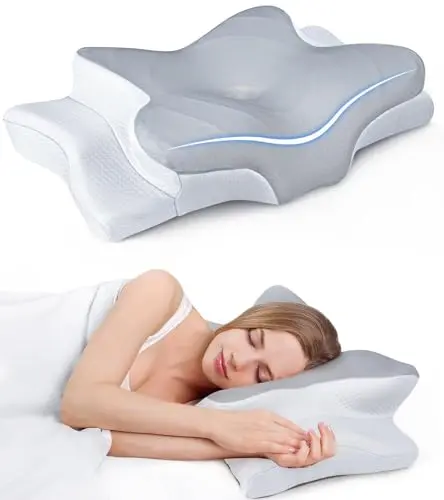
Ultra Pain Relief Cooling Pillow – Hollow Contour Support
A hollow concave cervical pillow with six contour zones, an Arc-Chill cooling cover, and adjustable height via rotation or a removable insert.

Cervical Neck Pillow – Dual-Height Butterfly Support
A butterfly-shaped cervical pillow with dual heights, high-density slow-rebound memory foam, and a cooling nylon-spandex cover.
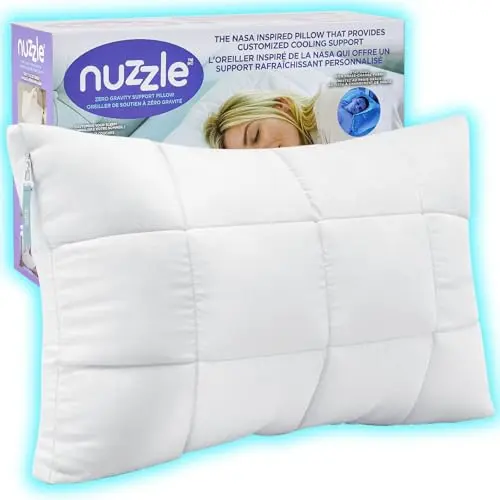
Adjustable Neck Pillow – Hotel-Soft Custom Loft
An adjustable standard pillow with three removable layers, patented Nanocoil fiber fill, and PCM temperature-regulating fabric for a hotel-soft feel.
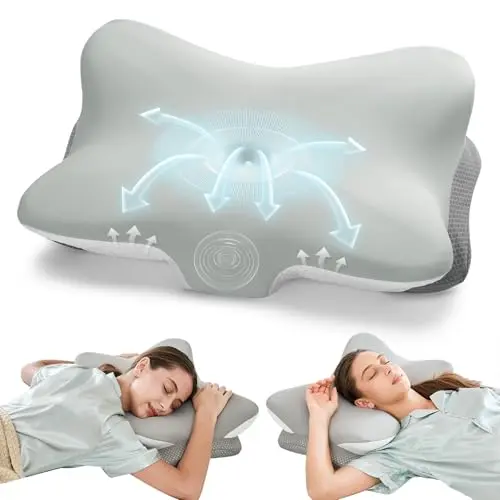
Ergonomic Cervical Pillow – Dual-Height Contour
A butterfly-shaped ergonomic cervical pillow with dual 4.4-inch and 3.75-inch heights, slow-rebound memory foam, and a silk-feel washable cover.

Neck and Shoulder Relaxer – Targeted Cervical Traction
A dense foam cervical traction device designed for short 10-minute sessions, not all-night sleeping, with two height sides and a portable shape.
How We Evaluated These Pillows for a Bulging Disk in the Neck
We didn’t run sleep-lab pressure mapping or clinical neck-imaging trials. What we did: cross-referenced nine pillow models from nine distinct brands across six decision axes – contour shape and loft, adjustability, sleep-position fit, foam or fill behavior, cover breathability, and care requirements. We audited published specifications, compared feature sets, and triangulated owner feedback where available, then mapped each option to representative buyer profiles for a bulging disk in the neck. That meant weighing how a pillow felt for back sleeping against how much shoulder clearance it gave a side sleeper, and checking whether stomach sleepers could flatten it enough to avoid craning the neck toward the mattress.
The scoring framework weighted real-world fit (70%) – how well each pillow supports neutral neck alignment across sleep positions – against feature differentiation (30%) – adjustable layers, cooling covers, hollow contours, and targeted traction designs. We have no commercial relationship with any brand here; recommendations track fit and differentiation, not brand preference. If you want a balanced starting point, the UTTU Sandwich Pillow is the most complete all-rounder; if you prefer a plusher cover and a three-layer build, the Royal Therapy Memory Foam Pillow is the stronger match. A pillow can support alignment, but it is not a medical treatment; if you have a diagnosed disk issue, use these picks as a comfort shortlist and confirm the approach with your clinician. That is why the shortlist below is organized around sleep position rather than brand.
How to Choose the Right Pillow for a Bulging Disk in the Neck
1. What to Look for in a Cervical Pillow for Neck Pain
The first thing to compare is contour shape, not cover fabric. A cervical pillow should support the natural curve of your neck while keeping your head in a neutral line. If the pillow pushes your chin toward your chest, it is too high; if your neck feels unsupported, it is too flat. Loft height is the number that matters most, followed by firmness and how much of the pillow is dedicated to side-sleeping shoulder clearance.
Look for a removable layer or a dual-height design if you are unsure. That gives you room to adjust after a few nights instead of guessing once. If you want the most flexible starting point in this lineup, the UTTU Sandwich Pillow is the pick because its middle layer comes out and changes both the high and low contours.
2. Sleeping Position Fit for a Bulging Disk in the Neck
Back sleepers usually do best with a medium loft and a contour that fills the gap under the neck without tilting the head forward. Side sleepers need a taller section to fill the space between the shoulder and head; too low and the neck bends sideways. Stomach sleepers need the lowest profile available, or a pillow they can flatten by removing layers.
For side sleepers who wake with a numb arm, the DONAMA Cervical Pillow is the pick here because its armrest grooves give your shoulder and arm somewhere to go. If you flip between back and side sleeping, prioritize a dual-height pillow over a single fixed contour.
3. Why Adjustability Matters for a Bulging Disk in the Neck
A bulging disk can make your tolerance for loft change from one night to the next. A pillow with removable layers, rotating heights, or a removable insert lets you fine-tune support without starting over. The best adjustable pillows give you a meaningful range, not just a token half-inch difference.
The Royal Therapy Memory Foam Pillow is the premium adjustable pick because its three-layer build lets you remove the middle foam layer for a lower profile. Pair that with a medium-firm feel and you get a pillow that can work for more than one sleep position.
4. Materials, Cooling, and Cover Care
Memory foam gives that slow, cradling feel, but it can run warm and may have an initial odor. Look for CertiPUR-US or Oeko-Tex certifications if material safety matters to you, and plan to air out a new foam pillow before use. Fiber-filled pillows feel springier and cooler for some sleepers, but they usually offer less targeted cervical support.
A breathable cover and a machine-washable pillowcase are practical must-haves. Cooling fabrics can help, but they work best in a cool room and should not be the main reason you buy a pillow. If you are a hot sleeper, prioritize airflow and a removable cover over a dramatic cooling claim.
5. When a Traction Device Fits – and When It Doesn't
A cervical traction device is not an overnight pillow. It is a short-session tool: you lie on it for a few minutes, then get up. The RESTCLOUD Neck and Shoulder Relaxer is built for that job, with a dense foam curve and two height sides. It can be useful as an adjunct if you want targeted stretching, but it should not replace the pillow you sleep on all night. Stop if you feel pain, numbness, or dizziness, and ask a clinician before using traction if you have a diagnosed disk issue.
6. Pricing Tiers Without the Guesswork
Budget-friendly cervical pillows usually give you a basic memory-foam contour with a washable cover. Mid-range options add adjustable layers, dual heights, cooling fabrics, or better certifications. Premium picks tend to combine a more refined cover, a wider adjustment range, and a more substantial foam core. You do not need the most expensive pillow to get good support; you need the one whose height and shape match your sleep position. Spend more only when the extra adjustability or cover quality solves a problem you actually have.
Frequently Asked Questions
1. What's the difference between the UTTU Sandwich Pillow and the Royal Therapy Memory Foam Pillow?
Both are adjustable memory-foam contour pillows, but they solve adjustment differently. The UTTU Sandwich Pillow uses a removable middle layer that changes both the high and low contours, giving you a wider range from one pillow. The Royal Therapy leans more premium with a three-layer build, a rayon-from-bamboo cover, and a slightly plusher feel. Choose UTTU if you want the most flexibility; choose Royal Therapy if cover quality and a more substantial foam feel matter more.
2. Is a cervical pillow or a neck stretcher better for a bulging disk in the neck?
They do different jobs. A cervical pillow is for overnight sleep, where the goal is neutral neck alignment and consistent support. A neck stretcher is a short-session tool for targeted traction, and it should not be used all night. The RESTCLOUD Neck and Shoulder Relaxer is the traction option here; use it for brief sessions and keep a supportive pillow for sleep. If you are unsure which approach suits your neck, ask a clinician before combining them.
3. How do I choose between the Osteo Cervical Pillow and the DONAMA Cervical Pillow?
Start with shape and sleep position. The Osteo has a hollow center that cradles the head and leaves space around the neck, which many back sleepers like. The DONAMA uses a dual-height design with armrest grooves, making it the friendlier pick for side sleepers who tuck an arm under the pillow. If you run hot, Osteo’s 3D mesh cover is a point in its favor; if you want a medium-soft feel and a one-year warranty, DONAMA is the better fit.
4. Can a pillow really help a bulging disk in the neck?
A pillow can help by supporting neutral neck alignment and reducing the awkward angles that make muscles work harder overnight. It cannot treat or reposition a bulging disk. The practical goal is comfort and consistent support, not a cure. Look for adjustable loft, a contour that fits your sleep position, and a firmness you can tolerate for a full night. If you have numbness, weakness, or radiating pain, talk to a clinician before relying on any pillow.
5. What if I sleep on my stomach?
Stomach sleepers need the lowest loft in the lineup, because a tall contour can push the head back and strain the neck. Start with a pillow that lets you remove layers or choose a low-profile side; the Nuzzle’s slim layer and the UTTU’s lowest setup are both sensible starting points. Avoid deep hollow contours and firm wedges unless you can flatten them. If stomach sleeping consistently leaves you stiff, a side-sleeping transition may be worth discussing with a clinician.
Final Verdict
For most people managing a bulging disk in the neck, the UTTU Sandwich Pillow is the safest first choice: its adjustable layers let you test a higher or lower loft without buying a second pillow, and the medium-firm foam is supportive without feeling rigid. If you want a plusher cover and a three-layer build, the Royal Therapy Memory Foam Pillow is the premium alternative. Side sleepers who wake with a numb arm should look at the DONAMA Cervical Pillow and its armrest grooves. And if you want a short, targeted traction session rather than an overnight pillow, the RESTCLOUD Neck and Shoulder Relaxer is built for exactly that job. Start with the pillow that matches your sleep position, then adjust the loft before deciding it isn’t working.
