
Best Pillows For Kyphosis – 2026 Reviews

Waking up with a stiff upper back and a head that feels pushed forward is a familiar loop for people managing kyphosis. The pillow you land on can either reinforce that rounded posture or give your neck and upper back a more neutral place to rest. It won’t change spinal structure, but the wrong loft can make nighttime discomfort harder to shake.
The two axes that separate useful picks from frustrating ones are loft adjustability and support shape. A pillow that’s too high can push the chin toward the chest; too low and the neck may sag. Contoured cervical pillows and wedge-style supports solve different problems, so the right choice depends on whether you need a neck cradle, an inclined backrest, or both.
We looked across brands in this category to find options that make sense for kyphosis-related comfort needs, from adjustable memory foam contours to wedges that create a more upright sleep angle. The guide below focuses on fit, tradeoffs, and who each pick suits.
Best Pillows for Kyphosis – 2026 Reviews
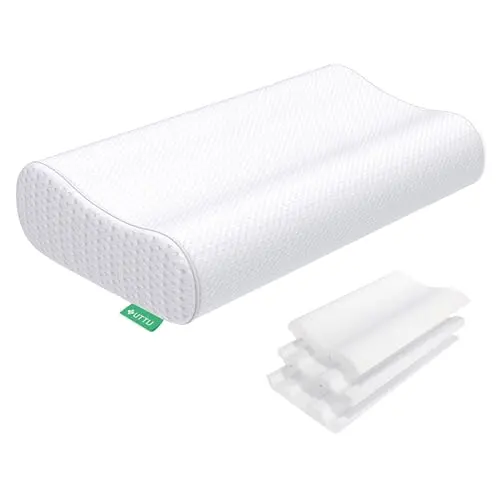
Adjustable Cervical Pillow – Custom Loft for Neck Alignment
A contoured memory foam pillow with two loft settings and a removable middle layer, so you can dial in a lower or higher neck cradle. The dynamic foam is designed to stay consistent in cool rooms, and the breathable cover is machine washable.
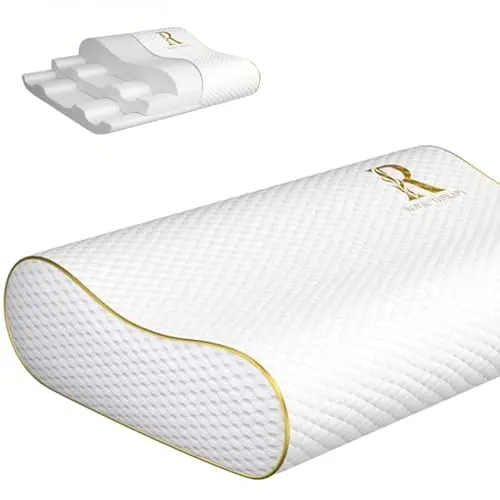
Memory Foam Cervical Pillow – Adjustable Three-Layer Support
A three-layer cervical pillow with an adjustable loft and a medium-firm contour. The memory foam is CertiPUR-US certified, and the removable cover uses OEKO-TEX rayon made from bamboo for moisture wicking.
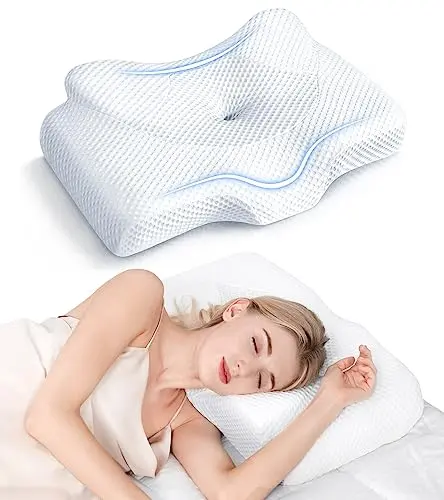
Hollow-Center Cervical Pillow – Pressure-Relief Contour
A hollow-center cervical pillow with two thicknesses and a removable insert for height tuning. The 3D mesh cover is designed for airflow, and the memory foam is CertiPUR-US certified and Oeko-Tex approved.
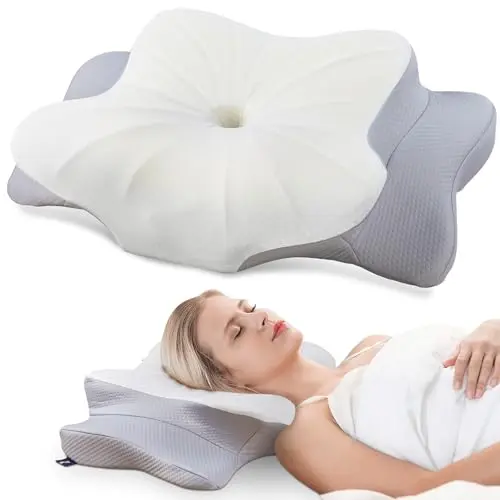
Cervical Pillow – Dual-Height Support for Side Sleepers
A dual-height contour pillow with armrest grooves and a breathable cotton-blend cover. The CertiPUR-US memory foam has a medium-soft feel, and the zippered pillowcase is removable and machine washable.
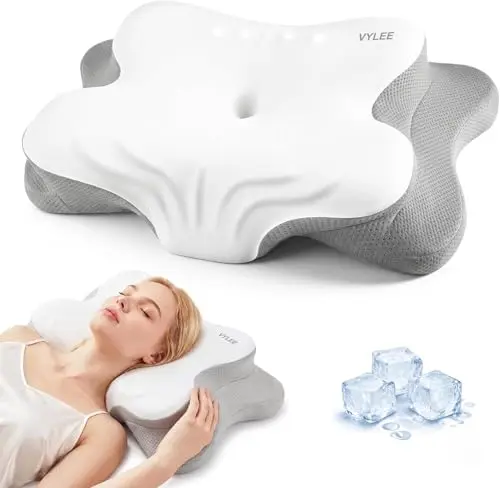
Cervical Neck Pillow – Cooling Dual-Height Support
A butterfly-shaped cervical pillow with dual heights and a cooling nylon-spandex cover. The slow-rebound memory foam is designed to hold its shape, and the removable pillowcase is machine washable.
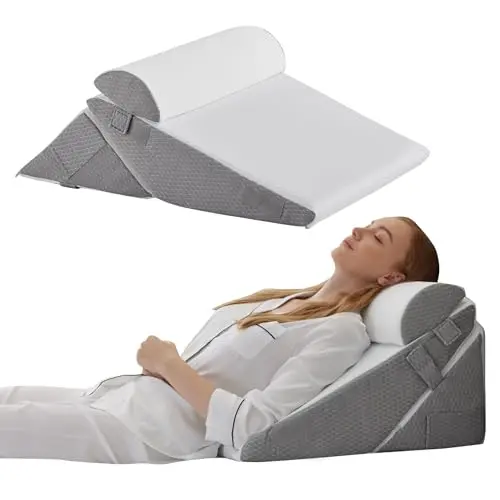
Wedge Pillow Set – Adjustable Elevated Back Support
A multi-piece wedge set with a 9- and 12-inch adjustable base, a separate head/neck bolster, and dual-layer memory foam. It can be flipped for lumbar or knee support, and the cover is machine washable.
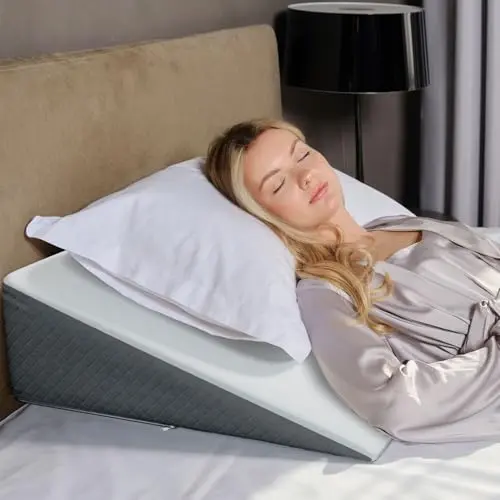
Bed Wedge Pillow – Gentle Incline for Recovery Positioning
A 7.5-inch bed wedge with a plush memory foam top layer over a high-density foam core. The jacquard cover is removable and machine washable, and the incline is designed for elevated torso positioning.
How We Evaluated These Pillows for Kyphosis
We didn’t run sleep-lab pressure mapping or clinical posture assessments. What we did: cross-referenced 7 pillow models from 7 distinct brands across five decision axes – loft adjustability, contour shape, foam feel and rebound, cooling and breathability, and care requirements. We triangulated published specifications, feature sets, owner feedback where available, and use-case fit for people managing kyphosis-related comfort needs. We mapped each option to representative buyer profiles: back sleepers who need a lower loft, side sleepers who need shoulder clearance, hot sleepers, and people who want an inclined rather than contoured setup. We also audited care instructions and cover materials, since nightly-use pillows need realistic maintenance. We weighed each pick against the practical realities of nightly sleep: setup time, cover care, and whether the loft can be changed without buying a second pillow. That matters in a category where small height differences change comfort.
The scoring framework weighted real-world fit for kyphosis comfort (70%) – how well each pillow supports a more neutral neck and upper-back position without forcing the head forward – against feature differentiation (30%) – adjustable loft, cooling covers, certified materials, and wedge-style positioning. We have no commercial relationship with the brands featured; recommendations track fit and differentiation, not brand preference. If you want the most flexible adjustable contour, the UTTU is the place to start; if you want a more premium three-layer build, the Royal Therapy is the step up.
How to Choose the Right Pillows for Kyphosis
1. What to Look for in a Pillow for Kyphosis
Kyphosis describes an exaggerated forward curve of the upper spine, and pillow choice is about reducing positions that push the head further forward or leave the neck unsupported. The first thing to check is loft – the height of the pillow under your head and neck. A pillow that’s too high can encourage a chin-down posture; one that’s too low may let the neck sag. Adjustable models are easier to tune because you can remove a layer or flip to a different height.
Next, look at contour shape. Cervical pillows usually have a raised neck roll and a recessed center; butterfly shapes add side cutouts; wedges create an inclined backrest. For kyphosis, a contour can help you find a more neutral neck position, while a wedge is more about elevating the upper body. Neither replaces medical care, and severe or worsening curvature should be evaluated by a clinician.
2. Loft Height and Why It Matters for Kyphosis
Loft is the spec that most often decides whether a pillow feels supportive or aggravating. Back sleepers generally need a lower profile than side sleepers, and stomach sleepers often need the least height. If you have a pronounced forward head position, a lower-to-medium loft can help you avoid the chin-to-chest angle. A removable middle layer or a dual-height design gives you room to adjust after a few nights.
Don’t judge a pillow in the first five minutes. Foam needs time to warm and rebound, and your neck muscles need time to adapt to a different support shape. A slow-rebound memory foam pillow may feel firmer at first and soften with body heat. If you’re between sizes, start higher and remove a layer rather than starting too low and adding height. For a flexible adjustable contour, the UTTU is the pick here.
3. Contour Shape vs. Wedge Support
Contour pillows and wedges solve different problems. A cervical contour cradles the neck and head, which suits sleepers who wake with neck stiffness or want a more neutral cervical alignment. A bed wedge raises the torso, which can be helpful for reflux, breathing comfort, or recovery positioning, but it doesn’t cradle the neck unless it includes a bolster. Some wedge sets add a separate head and neck bolster to bridge that gap.
If your main goal is a neck-support pillow for sleeping flat, start with a contour. If you want a more upright position for reading, recovery, or breathing comfort, a wedge is more appropriate. For a premium adjustable contour, the Royal Therapy is the step up.
4. Firmness, Rebound, and Comfort Tradeoffs
Firmness is personal, but the wrong feel can undermine an otherwise good shape. Medium-firm foam tends to suit back and side sleepers who need support without a hard surface. Soft memory foam can feel plusher, but it may let the head sink too far if you need loft. High-density foam holds its shape longer, while slow-rebound foam changes feel with body heat.
Look for CertiPUR-US certification or OEKO-TEX approval if material safety matters to you. Those certifications don’t guarantee comfort, but they give you a clearer picture of what’s in the foam and cover. If you sleep hot, a breathable cover or 3D mesh fabric can make a bigger difference than a fancy contour.
5. Cooling, Covers, and Maintenance
A pillow you use every night needs a realistic care routine. Removable, machine-washable covers are the easiest way to keep things fresh; most foam cores should not go in the washer. Cooling nylon-spandex, 3D mesh, and breathable cotton blends are common cover materials, and each has a different feel. If you’re sensitive to odors, plan to air out a new foam pillow before use.
Wedge pillows take up more bed space and often have larger covers, so check the machine-washable cover and compressed packaging notes before you buy. A wedge may need a day or two to expand fully. For hot sleepers who want a hollow-center contour, the Osteo is the pick here.
Frequently Asked Questions
1. What type of pillow is best for kyphosis?
There’s no single shape that fits every case, but the most useful starting point is an adjustable cervical contour with a lower-to-medium loft. That lets you support the neck without forcing the chin toward the chest, and you can remove a layer if the height feels too aggressive. Back sleepers often do best with a lower profile; side sleepers may need a taller side for shoulder clearance.
A wedge pillow is a different tool. It raises the torso and can help with breathing comfort, reflux, or recovery positioning, but it isn’t a neck contour unless it includes a head and neck bolster. If your main symptom is morning neck stiffness, start with a contour; if you need a more upright sleep angle, consider a wedge.
2. UTTU vs Royal Therapy: which cervical pillow is better for kyphosis?
Both are adjustable memory foam contours with removable layers, so the choice comes down to feel and materials. The UTTU has a two-height contour and a dynamic foam that’s designed to stay consistent in cool rooms; it’s the more flexible starting point if you’re unsure which loft you need. The Royal Therapy adds a three-layer build, CertiPUR-US foam, and an OEKO-TEX bamboo cover, which makes it the more premium option.
If you want the widest adjustment range at a lower tier, go UTTU. If you value certified materials and a slightly more refined cover, Royal Therapy is the step up.
3. Osteo vs DONAMA: which is better for hot sleepers with kyphosis?
The Osteo and DONAMA both use cooling covers, but they solve different comfort problems. The Osteo’s hollow-center design and removable height insert make it more adjustable for back sleepers who want pressure relief at the back of the head. The DONAMA’s armrest grooves and medium-soft foam make it more side-sleeper-friendly, especially if you tuck an arm under the pillow.
For hot sleepers who want a 3D mesh cover and a hollow contour, Osteo is the better fit. If you want a softer surface with room for your arm, DONAMA is the pick.
4. Can a wedge pillow help with kyphosis?
A wedge can help by creating a more upright sleep angle, which some people find easier on the upper back and breathing. It’s not a direct correction for spinal curvature, and it won’t replace medical evaluation or physical therapy. The useful version for kyphosis-related comfort is one with a supportive incline and ideally a separate neck bolster so the head doesn’t slump forward.
If you mainly need neck support while lying flat, a cervical contour is a better first purchase. If you want elevation for recovery, reflux, or reading in bed, a wedge makes more sense.
5. How long should I give a new pillow to adjust?
Plan on a few nights, not a few minutes. Foam needs time to expand after shipping, and your neck may need a week to adapt to a different loft and contour. Start with the higher side and remove a layer if it feels too tall, rather than starting too low and fighting the pillow.
If you still wake with numbness, headaches, or worsening neck pain after a consistent trial, stop using it and check with a clinician. A pillow should feel supportive, not like it’s pushing your head into an unnatural position.
Final Verdict
For most people managing kyphosis-related neck comfort, the UTTU is the practical answer. Its adjustable loft lets you fine-tune the height instead of guessing, and the dynamic foam stays supportive without feeling rigid. If you want a more premium build with certified materials, the Royal Therapy is the step up. Hot sleepers who prefer a hollow-center contour should look at the Osteo, while side sleepers who tuck an arm under the pillow may prefer the DONAMA. And if your goal is a more upright sleep angle rather than a neck cradle, the Bedluxe wedge set gives you the most flexibility.
Start with the shape that matches your sleeping position, then adjust loft before deciding a pillow isn’t working. The right pillow won’t cure kyphosis, but it can make the hours you spend asleep a lot less aggravating.
