
Best Pillows For Pinched Nerve In Neck – 2026 Reviews

A pinched nerve in the neck has a way of making sleep feel like a negotiation. You lie down, the tingling or numbness flares, and suddenly the pillow that worked last month feels all wrong. The fix is rarely about buying the softest pillow. It is about finding one that keeps your head and neck in a neutral line without pressing on the sensitive side.
Two things separate useful options from mediocre ones: cervical height and adjustability. A pillow that is too tall can push the chin toward the chest; too flat and the neck loses support. The best picks for a pinched nerve let you tune loft, firmness, or contour, and they match how you actually sleep.
We looked across the market at cervical contours, adjustable shredded-fill pillows, and one targeted traction tool to help you sort the useful from the overhyped. The goal is not to chase a miracle cure. It is to find a pillow that supports your neck through the night and fits your sleep position.
Best Pillows for Pinched Nerve in Neck – 2026 Reviews
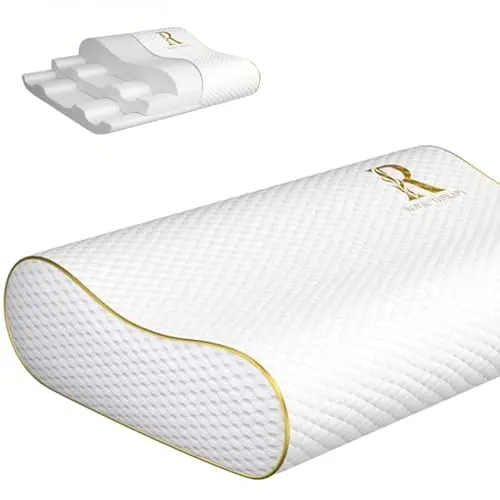
Memory Foam Cervical Pillow – Contoured Neck Support
A cervical contour pillow with a three-layer foam design and an adjustable loft, built for side, back, and stomach sleepers who want orthopedic neck support without a rock-hard feel.
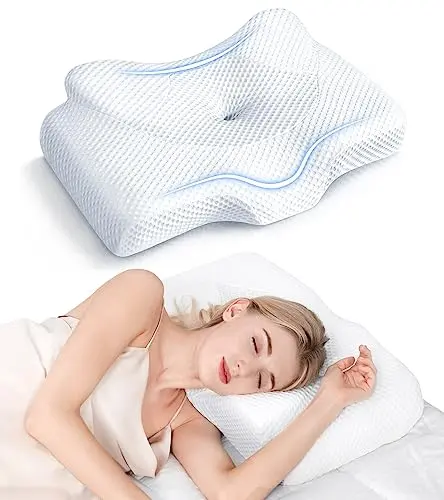
Cervical Pillow – Hollow-Center Alignment
A hollow-center cervical pillow with two height options and a cooling mesh case, designed to support the neck’s natural curve for side, back, and stomach sleepers.

Adjustable Curved Pillow – Customizable Loft
An adjustable curved pillow with shredded memory foam and extra fill, shaped to support the neck and shoulders for side and back sleepers.
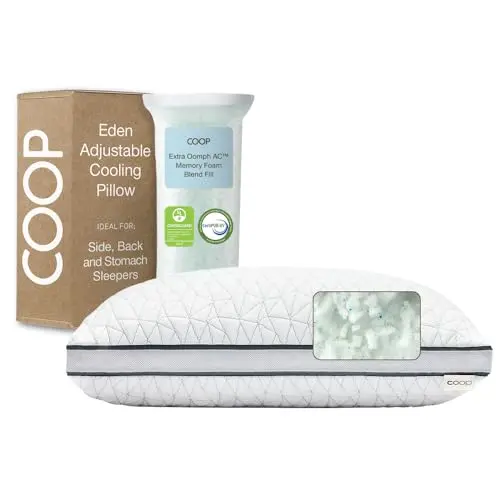
Eden Pillow – Adjustable All-Position Support
A fully adjustable shredded memory foam pillow with a gusseted edge, cooling gel fill, and extra fill included, built for back, stomach, and side sleepers.
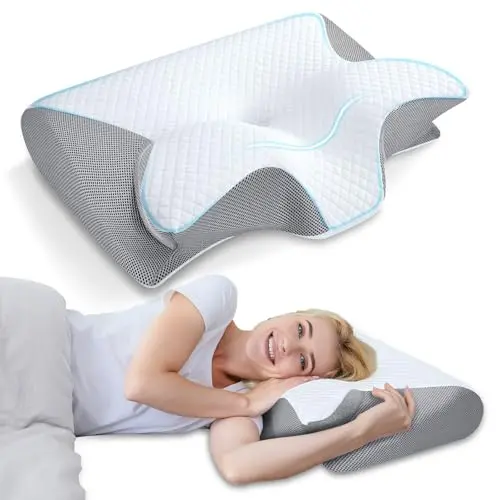
2-in-1 Cervical Pillow – Contour and Roll Support
A two-in-one cervical pillow with a contour side and a neck-roll side, two heights, and a breathable cover for side, back, and stomach sleepers.

Cervical Neck Pillow – Dual-Height Butterfly Contour
A butterfly-shaped cervical pillow with dual heights, high-density memory foam, and a cooling removable cover for side, back, and stomach sleepers.

Neck and Shoulder Relaxer – Targeted Cervical Traction
A portable cervical traction device with a dense foam curve, designed for short sessions to stretch the neck and support the cervical spine.
How We Evaluated These Pillows for Pinched Nerve in Neck
We didn’t run sleep-lab pressure mapping or clinical nerve-conduction tests. What we did: cross-referenced 7 pillow models from 7 distinct brands across 6 decision axes – cervical contour and height, firmness and adjustability, sleep-position fit, cover breathability, care and durability, and included fill or inserts. We triangulated published specifications, feature sets, owner feedback where available, and use-case fit against common sleeper profiles for a pinched nerve in the neck. We also weighed how each pillow would behave for side, back, and stomach sleepers, because a loft that supports one position can push another out of alignment. We treated adjustable loft and removable layers as real functional differences, not marketing extras, because height is the variable most likely to change how a pinched nerve feels at night.
The scoring framework weighted real-world performance (70%) – how well each pillow supports neutral alignment for its intended sleep position – against feature differentiation (30%) – unique adjustments, contours, cooling, and included extras. We mapped each pick to the buyer it suits rather than treating a higher price or a longer feature list as an automatic win. We have no commercial relationship with any of the brands featured; recommendations track fit and differentiation, not brand preference. If you want a true cervical contour with adjustable loft, the Royal Therapy is the first one we’d route you to; if you prefer a hollow-center shape with rotating height, the Osteo is the alternate.
How to Choose the Right Pillows for Pinched Nerve in Neck
1. What to Look for in a Pillow for a Pinched Nerve in the Neck
The first job of a pillow for a pinched nerve is to keep your head and neck in a neutral line. That means matching the pillow’s height to your sleep position and shoulder width, not simply choosing the softest option. A cervical contour can help, but only if the loft is close enough that you are not craning your neck. Look for adjustable height or fill, a supportive foam that does not bottom out, and a cover that breathes. If you sleep on your side, you need enough height to fill the gap between your ear and shoulder. Back sleepers usually need a lower loft that supports the curve without pushing the chin forward.
2. Why Cervical Height and Loft Matter for a Pinched Nerve
Height is the most common mismatch. A pillow that is too high can flex the neck forward; too low and the neck loses support. For a pinched nerve, the goal is neutral alignment, not maximum height. Adjustable pillows let you remove or add fill, rotate to a different height, or pull out a layer. That flexibility is especially useful when nerve symptoms make one position feel worse. Start with the lowest loft that keeps your neck supported, then add height only if you wake with your head dropping off the pillow.
3. Contour Shape vs. Adjustable Loft: Which Pillow Style Helps Neck Alignment?
A contoured cervical pillow has a built-in curve or hollow for the head and a raised edge for the neck. It can be excellent for back sleepers and some side sleepers because it encourages the natural curve. An adjustable shredded-fill pillow is less sculpted but more tunable; you can shape it around your neck and shoulders. Neither is universally better. If you want a clear guide for alignment, choose a contour. If you want to keep experimenting until the loft feels right, choose adjustable fill. The Sidney Sleep is the adjustable-fill pick in this lineup, while the Royal Therapy is the contour-first option.
4. Sleep Position and Pillow Fit for Pinched Nerve Relief
Side sleepers need a taller pillow than back sleepers, but the pillow also has to stay put. A gusseted edge can help the pillow hold its shape, and a broader surface gives you more room to settle. Back sleepers should look for a lower contour that supports the neck without tipping the head forward. Stomach sleepers are the trickiest: a thick cervical contour can overextend the neck, so a low-loft adjustable pillow is usually safer. If you switch positions during the night, an adjustable pillow gives you more room to compromise.
5. Materials, Cooling, and Care for Neck-Support Pillows
Memory foam is common because it distributes pressure, but it can sleep warm. Gel-infused foam and breathable covers help, though no pillow is truly air-conditioned. Check whether the cover is machine washable and whether the foam core can be aired out. Certifications such as CertiPUR-US are useful signals if you are sensitive to odors or want to avoid unnecessary chemicals. Shredded-fill pillows need occasional fluffing and redistribution; solid foam pillows should be kept out of direct sun and washed only on the cover.
6. Budget vs. Premium Neck Pillows: What Changes?
The jump from budget to premium usually buys you better foam consistency, more adjustment options, and a more refined cover. A budget-friendly cervical pillow can still relieve pressure if the height is right, but it may have a firmer feel or less durable cover. Premium picks often include extra fill, multiple layers, or a more breathable case. The Coop Home Goods Eden is the premium-adjustable option here, while the HOMCA covers the lower tier. Spend more only if you need the extra tunability or a specific contour.
Frequently Asked Questions
1. What's the difference between the Royal Therapy cervical pillow and the Osteo cervical pillow?
The Royal Therapy uses a three-layer contour with a removable middle layer, so you tune loft by changing the stack. The Osteo uses a hollow-center shape and a rotating dual-height design. Both aim for neutral alignment, but the Royal Therapy feels more like a traditional contour pillow, while the Osteo is more sculpted around the head and ears. If you want a straightforward contour, the Royal Therapy is the easier starting point; if you want a hollow center and cooling mesh, the Osteo is the better fit.
2. Can a pillow really help a pinched nerve in the neck?
A pillow cannot treat a pinched nerve, but the right one can reduce positions that aggravate it. The goal is neutral alignment, consistent support, and avoiding excessive flexion or extension. A cervical contour or adjustable loft can help you find that line, especially if you are a side or back sleeper. If symptoms include numbness, weakness, or radiating pain, talk to a clinician; a pillow is support, not medical care.
3. How is the Sidney Sleep adjustable pillow different from the Coop Home Goods Eden?
Both use shredded fill and let you add or remove material, but the Sidney Sleep has a curved profile designed to cradle the neck, while the Coop Eden is a more traditional gusseted bed pillow. The Sidney Sleep feels more like a cervical contour with adjustable fill; the Eden feels like a customizable all-purpose pillow. If you want a neck-focused curve, Sidney Sleep is the closer match. If you want a cooling, all-position pillow, the Coop Eden is the more flexible choice.
4. Should I use a cervical traction device like the RESTCLOUD instead of a pillow?
No, they do different jobs. The RESTCLOUD is a short-session traction tool, not an all-night sleeping pillow. It can help you stretch the neck for about 10 minutes at a time, while a supportive pillow is what you sleep on. If you want targeted traction, the RESTCLOUD can be a useful adjunct. If you need support through the night, choose a cervical contour or adjustable pillow first.
Final Verdict
For most people with a pinched nerve in the neck, the Royal Therapy is the pick that balances a true cervical contour with adjustable loft. It gives you a clear shape to align around, but you can still remove a layer if it feels too tall. If you prefer a hollow-center pillow with rotating height, the Osteo is the stronger match. If you want to keep tuning the fill yourself, the Sidney Sleep is more adjustable than a fixed contour. And if you want a budget-friendly way to try both contour and roll support, the HOMCA covers that ground without overcommitting. Choose the pillow that matches your sleep position first; the brand matters less than the loft.
