
Best Pillows That Won’T Go Flat – 2026 Reviews

A pillow can feel perfect on night one and feel like a folded towel by month three. That slow collapse is the quiet reason so many people wake up with a stiff neck, punch their pillow back into shape, and start shopping again. The pillow that won’t go flat isn’t just the firmest one on the shelf; it’s the one whose fill, loft, and cover work together to keep supporting your head after the new-pillow bounce fades.
The useful split in this category is between pillows you can tune and pillows built to hold a fixed shape. Adjustable shredded-foam pillows let you add or remove fill, which gives you a way to correct a pillow that starts too high or too low. Fixed-loft pillows rely on denser foam, gusseted construction, or resilient fiber blends to resist flattening. We looked at both approaches across the market and focused on the details that actually affect long-term support.
You’ll also want to match loft to sleep position. Side sleepers generally need more height to fill the shoulder gap, back sleepers need gentler cervical support, and stomach sleepers usually do best with a low profile. A pillow that ignores those basics can be durable and still uncomfortable. This guide sorts through the tradeoffs so you can pick the right pillow from the category, not just the loudest brand.
Best Pillows That Won't Go Flat – 2026 Reviews
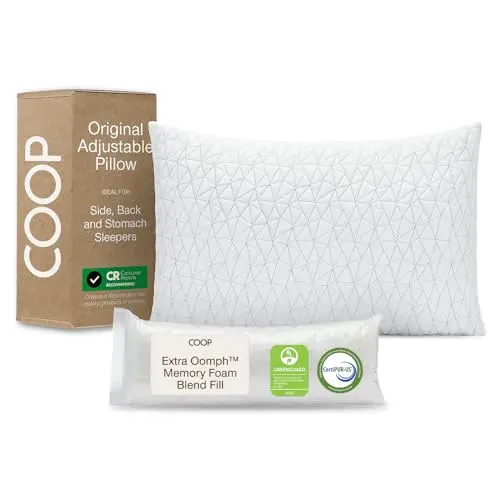
Original Adjustable Pillow – Custom Loft That Holds
The Coop Home Goods Original is a fully adjustable shredded memory foam pillow with a soft Lulltra cover and a generous extra bag of fill. You can add or remove foam to tune loft and firmness for back, side, or stomach sleeping.
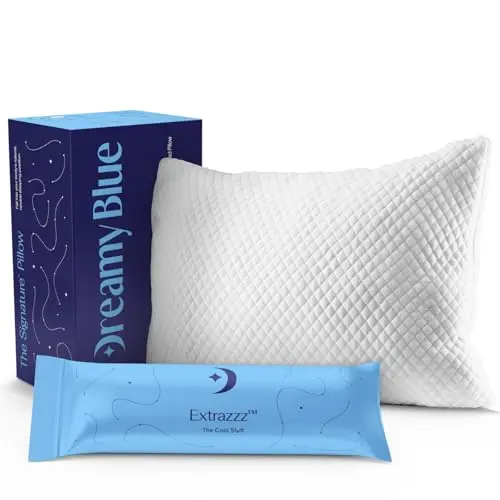
Signature Adjustable Pillow – Down-Like Fill, Foam Support
The DreamyBlue Signature blends shredded memory foam with down-like poly tufts and wraps it in a bamboo-rayon cover. It’s adjustable, comes with extra fill, and is aimed at sleepers who want motion plus molding support.

Ultra Slim Gel Memory Foam Pillow – Low-Profile Neck Alignment
The Bluewave Ultra Slim is a low-profile gel memory foam pillow designed for stomach and back sleepers. Its 2.75-inch height and higher-density foam aim to keep the neck aligned without a bulky stack under the head.

Essential Pillow 2-Pack – Three-Chamber Loft Support
The Casper Essential Pillow is a two-pack with a three-chamber design that keeps down-alternative fill evenly distributed. It has a medium-soft feel and a crisp cotton percale cover for back, side, and stomach sleepers.
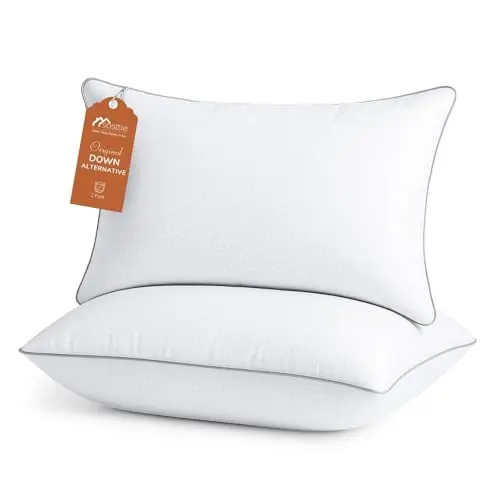
Firm Pillows Queen Set – Plump Fiber Support
The Sasttie Firm Pillows are a queen-size two-pack with a plump down-alternative fiber blend and a firm feel. They’re OEKO-TEX certified, machine washable, and finished with hotel-style piping.
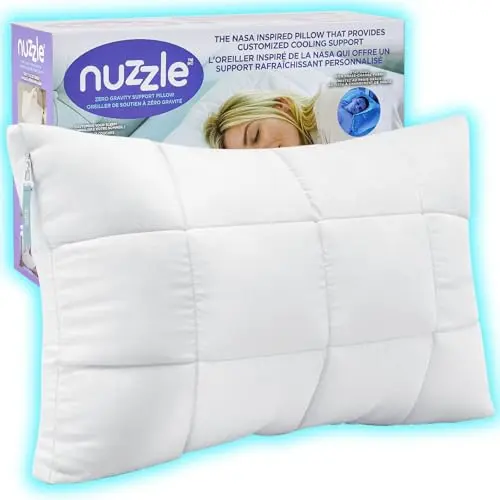
Adjustable Neck Pillow – Layered Loft Control
The Nuzzle Pillow uses a layered adjustable design with patented Nanocoil fiber and a PCM fabric cover. You can remove layers to switch between soft, medium, and firmer support for different sleep positions.
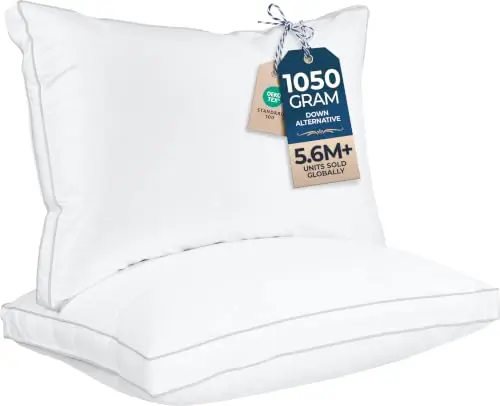
Gusset Bed Pillow – Structured Hotel Loft
The Utopia Bedding Gusset Pillow is a queen-size two-pack with a structured gusseted edge and a soft cotton-blend cover. It’s designed to hold its loft and bring a hotel-style look to everyday bedding.

Hotel Bed Pillows – Plush No-Shift Fill
The Utopia Bedding Hotel Pillows are a queen-size two-pack with plush hollow fiber and a striped hotel-style cover. They’re designed to stay supportive and fluffy with a no-shift fill.
How We Evaluated These Pillows That Won’t Go Flat
We didn’t run lab compression tests or sleep on each pillow for months to measure loft loss. What we did: cross-referenced 8 pillow models from 6 distinct brands across 5 decision axes – fill resilience, adjustability, loft and sleep-position fit, cover breathability, and care requirements. We triangulated published specifications, feature sets, and owner feedback where available, then mapped each pillow against representative buyer profiles for back, side, and stomach sleepers. We also weighed how easy each pillow is to reset, fluff, or re-tune after compression, because that practical detail separates a pillow that holds up from one that only looks plush on delivery day.
The scoring framework weighted real-world performance (70%) – how well each option delivers on its stated support and anti-flat claims for its intended sleeper – against feature differentiation (30%) – unique fill technology, adjustability, and use-case specificity. We audited the lineup for meaningful differences rather than brand reputation, and we compared fixed-loft designs against adjustable designs rather than treating them as one category. We have no commercial relationship with any of the brands featured; recommendations track fit and differentiation, not brand preference. If you want the most tuneable all-position pillow, the Coop Home Goods Original Adjustable Pillow is the pick; if you want a down-like adjustable feel with a bamboo cover, the DreamyBlue Signature is the stronger match.
How to Choose the Right Pillow That Won't Go Flat
1. What Makes a Pillow Hold Its Loft?
Loft is the height your pillow keeps after your head settles into it. A pillow that won’t go flat has to resist compression without feeling like a brick. The most reliable signs are resilient fill, dense foam or springy fiber, and a cover that doesn’t stretch out of shape. Fixed-loft pillows lean on foam density or fiber structure; adjustable pillows give you a manual reset when the fill softens.
Don’t confuse firmness with durability. A very firm pillow can still flatten if the fill collapses or migrates. Look for construction details like chambered fill or gusseted edges that keep a pillow’s shape from turning into a pancake in the middle of the night.
2. Fill Materials That Resist Going Flat
Shredded memory foam is the most adjustable fill type: it molds to the head and can be topped up when it compresses. The tradeoff is that it can feel dense and may need occasional fluffing. Down-alternative fiber feels lighter and more hotel-like, but quality varies widely; denser fiber blends hold up better than loose, hollow fill. Gel memory foam is a strong fixed-loft option for sleepers who want a low, stable profile, especially in thin designs.
If you run hot, pay attention to breathable covers and ventilation channels. Heat retention doesn’t cause flattening by itself, but it makes a collapsing pillow feel worse. If you want a fill you can re-tune, the Coop Home Goods Original Adjustable Pillow is the clear example in this lineup.
3. Adjustable Pillows vs. Fixed-Loft Pillows
Adjustable pillows are the safer bet if you’ve been burned by pillows that start too tall or go flat in the middle. You can remove fill for a lower loft or add it for more height, which makes them forgiving for combination sleepers. The downside is a bit of setup: you may need a few nights of tweaking to find your fill level.
Fixed-loft pillows are simpler and often look more polished on the bed. They work best when the loft already matches your sleep position. A three-chamber design or gusseted edge can help a fixed pillow keep its shape. If you want a low-profile fixed pillow for stomach or back sleeping, the Bluewave Bedding Ultra Slim is the pick.
4. Match Loft and Firmness to Your Sleep Position
Side sleepers usually need a taller, firmer pillow to fill the gap between shoulder and head. Back sleepers do better with medium support that keeps the neck neutral without pushing the chin forward. Stomach sleepers generally need a low-profile pillow so the head doesn’t tilt back. A pillow that’s wrong for your position can feel flat even when it’s technically holding its shape.
Combination sleepers should prioritize adjustable loft or a medium-soft feel that works in more than one position. If you switch between back and side sleeping, a pillow with redistributable fill gives you more room to compromise. The Nuzzle Adjustable Neck Pillow is a good example of a layered design that lets you change height without buying a new pillow.
5. Cover, Breathability, and Care
The cover affects comfort, temperature, and how often you can clean the pillow. Cotton percale feels crisp and breathable; bamboo-derived rayon feels smooth and cool; polycotton is durable but can sleep warmer. A removable washable cover is a practical advantage because the surface against your face collects sweat and oils over time.
Check the care label before you buy. Some pillows are machine washable, while others are spot clean or dry clean only. If easy maintenance matters, prioritize a zip-off cover and a pillow whose inner fill can be aired out. A washable cover won’t stop fill from compressing, but it keeps the pillow fresher between replacements.
6. Budget vs. Premium Pillows That Won't Go Flat
Budget pillows can absolutely hold their shape, especially if they use a gusseted construction or a no-shift fiber fill. The tradeoff is usually less adjustability and a shorter useful life before the fill starts to clump. Premium pillows tend to add denser foam, certified materials, or extra fill so you can correct the loft yourself.
Spend more if you want a pillow you can tune over time or if you’ve had repeated flat-pillow failures. Stay budget-conscious if you need to outfit a guest room or prefer a traditional fiber feel. If value is the priority, the Sasttie Firm Pillows are the budget-friendly set to consider.
Frequently Asked Questions
1. What's the difference between the Coop Home Goods Original and the DreamyBlue Signature?
Both are adjustable shredded-foam pillows with extra fill, but they feel different. The Coop Home Goods Original uses a blend of cross-cut memory foam and microfiber, giving it a dense, moldable feel with a medium-firm starting point. The DreamyBlue Signature adds down-like poly tufts to the shredded foam, so it has more motion and a softer, more hotel-like rebound. Coop’s cover is a Lulltra polyester-rayon blend; DreamyBlue uses a bamboo-extracted rayon cover. If you want a firmer, more foam-forward pillow, Coop is the better fit. If you want a plusher down-like feel with memory-foam support, DreamyBlue is the stronger choice.
2. Bluewave Ultra Slim vs. Sasttie Firm Pillows: Which holds its shape better?
They solve different problems. The Bluewave Ultra Slim is a dense gel memory foam pillow with a 2.75-inch profile, built for stomach and back sleepers who want a low, stable surface. Its high-density foam is designed to hold shape rather than rely on fluffing. The Sasttie Firm Pillows are a plump down-alternative set with a firm fiber feel, better for side and back sleepers who want a traditional pillow shape. For pure low-profile shape retention, the Bluewave Bedding Ultra Slim is the pick. For a budget-friendly firm set that fluffs back up, the Sasttie Firm Pillows are the better match.
3. Do down-alternative pillows go flat faster than memory foam?
Not automatically, but the risk is higher with low-quality fiber fill. Down-alternative pillows rely on the springiness of the fiber cluster; loose or hollow fill can compress and clump over time. Better fiber blends use denser crimped fibers or chambered construction to keep the fill distributed. Memory foam resists compression differently: it can soften with heat and body weight, but dense foam tends to retain its structure longer. An adjustable shredded-foam pillow gives you the most control because you can add fill back when needed.
4. Which pillow works best for stomach sleepers who need a low profile?
Stomach sleepers usually do best with a thin, flat pillow that keeps the head from tilting back. The Bluewave Ultra Slim is the most purpose-built option here because its 2.75-inch height and high-density gel foam create a low, stable surface. If you want an adjustable pillow instead, the Coop Home Goods Original lets you remove fill to get a lower loft, but you’ll need to tune it carefully. Avoid tall, plush hotel-style pillows unless you sleep mostly on your side or back.
5. How do you revive a pillow that has started to flatten?
Start by checking whether the fill can be redistributed. Shredded-foam pillows can be opened, fluffed, and topped up with extra fill. Fiber pillows often respond to a low-heat tumble dry with a couple of dryer balls, which helps break up clumps. Memory foam pillows are harder to revive once the core softens; a washable cover can freshen the surface, but it won’t restore lost density. If the pillow no longer holds neutral alignment, replacement is usually the better answer.
Final Verdict
For most buyers, the Coop Home Goods Original Adjustable Pillow is the answer – it nails adjustable loft without compromising on soft, adaptive support. You can correct it as your sleep position changes, and the extra fill gives you a real backup when the pillow softens. If you need a low-profile pick for stomach or back sleeping, the Bluewave Bedding Ultra Slim is purpose-built for that job. If budget is the priority, the Sasttie Firm Pillows get you a plump, firm set without the premium price. And if you want a down-like adjustable feel with a bamboo cover, the DreamyBlue Signature is the premium alternative worth stretching for.
