
Best Pre-Ground Coffees For Espresso Machines – 2026 Reviews

Espresso at home gets a lot easier when you admit you’re not going to single-dose, weigh, and grind every shot. Pre-ground coffee removes one variable from the morning routine, but it also makes the bag or brick you choose more important. The wrong grind can choke a basket or run through it like water, and no amount of tamping fixes that.
For espresso machines, the useful split isn’t just dark roast versus medium roast. It’s whether the coffee is actually ground for espresso, whether the packaging protects freshness, and whether the flavor profile fits how you drink your shots. A smooth medium roast is easier for straight espresso; a darker, toastier coffee holds up better in milk. A blend with robusta can build more crema, while a vacuum-sealed brick can keep aroma intact longer.
This guide surveys the pre-ground coffee market across brands and narrows it to the bags and bricks that make sense for espresso machines. We’ll flag where grind suitability, roast style, and packaging trade off, so you can pick the one that fits your machine and your daily cup.
Best Pre-Ground Coffees for Espresso Machines – 2026 Reviews
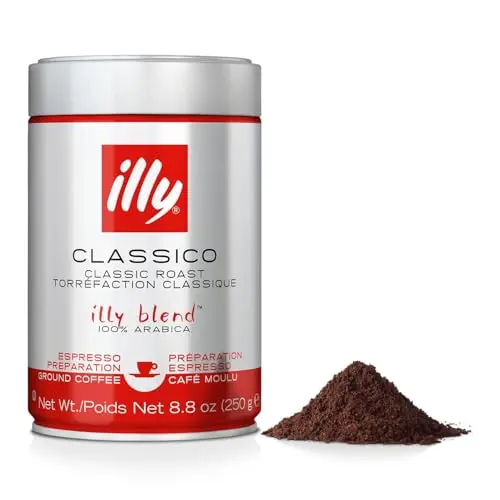
Classico Medium Roast – Balanced Everyday Espresso
A classic Italian espresso grind with a smooth, balanced medium roast. The 100% arabica blend is designed for espresso machines and delivers a clean cup without harsh bitterness.
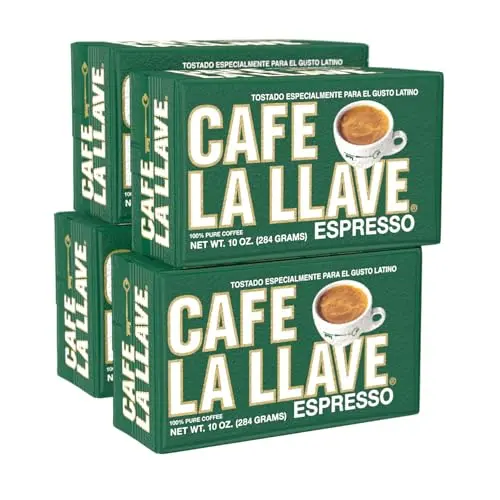
Espresso Ground – Bold Cuban-Style Bulk Pick
A finely ground dark roast with Cuban-style depth and a vacuum-sealed brick format. It’s built for espresso machines but also works in moka pots and drip brewers.
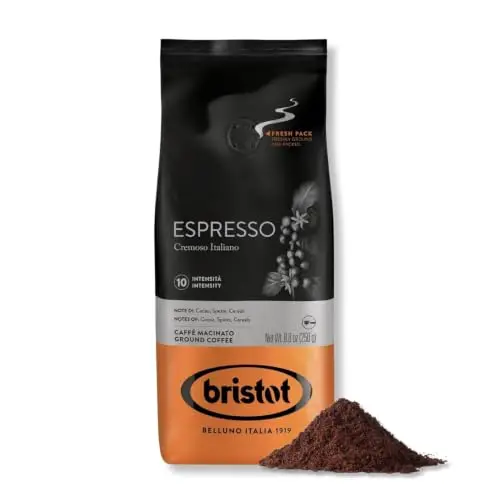
Espresso Cremoso Italiano – Crema-Focused Blend
A medium-roast Italian espresso blend with 70% arabica and 30% robusta. It’s designed for home espresso machines and built to produce a rich, smooth crema.
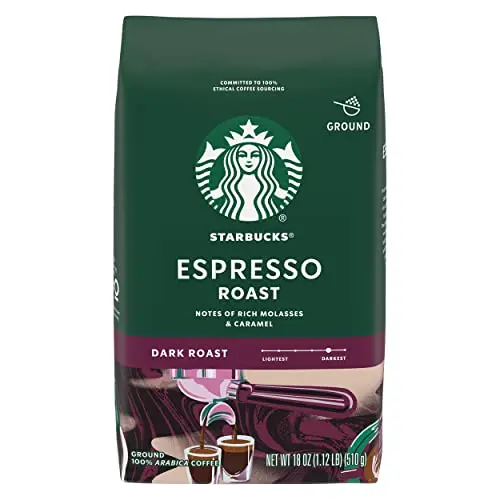
Espresso Roast – Dark Roast for Milk Drinks
A dark, caramelly espresso roast sold in a large bag. It’s intense and sweet enough to stand up to steamed milk, though the grind may need dialing in for some machines.
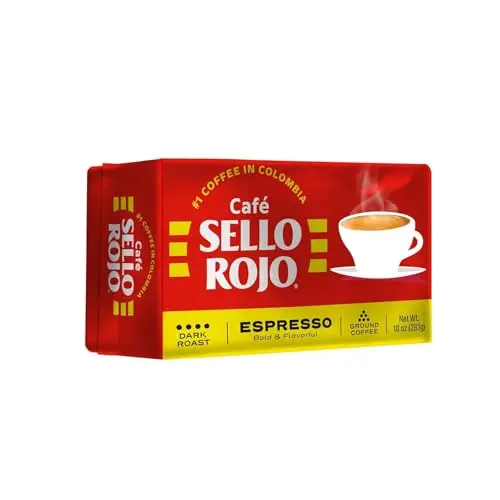
Espresso Brick – Budget Colombian Dark Roast
A vacuum-sealed Colombian espresso brick with a bold, toasted flavor. It’s aimed at espresso machines and Cuban coladas, and it’s the most budget-friendly option here.
How We Evaluated These Pre-Ground Coffees for Espresso Machines
We didn’t pull back-to-back shots on a bench scale or measure extraction yield in a lab. What we did: cross-referenced five pre-ground coffee models from five distinct brands across five decision axes – espresso grind suitability, roast profile, flavor balance, packaging and freshness, and value tier. We triangulated published product specifications, feature sets, owner feedback where available, and use-case fit for home espresso machines. That meant mapping each coffee to the way it actually gets used: straight shots, milk drinks, crema-focused pulls, and budget-minded daily brewing. We also weighed how forgiving each grind might be for someone dialing in a new machine, because pre-ground coffee removes the grinder adjustment that many espresso guides assume you have.
The scoring framework weighted real-world espresso fit (70%) – how well the grind, roast, and flavor profile suit an espresso machine – against feature differentiation (30%) – unique advantages like arabica-robusta crema, vacuum-sealed bricks, or a broad roast profile. We have no commercial relationship with any of the brands featured; recommendations track fit and differentiation, not brand preference. This is a category where packaging and storage matter as much as the roast name, so we treated freshness protection as a real performance variable rather than a footnote. If you want the safest all-around starting point, the illy Classico is your match; if you want a bolder bulk value, the Cafe La Llave Espresso Ground serves you better.
How to Choose the Right Pre-Ground Coffee for Espresso Machines
1. Why Espresso Machine Grind Is the First Filter for Pre-Ground Coffee
Pre-ground coffee for espresso machines lives or dies on grind suitability. Espresso needs a fine, consistent particle size so water can build pressure and pull flavor evenly. A coffee labeled simply ‘ground’ may be aimed at drip brewers, and that coarser grind can run through an espresso basket too quickly. Look for wording like espresso grind or a direct note that the coffee is designed for espresso machines.
If your machine uses a pressurized basket, you have more forgiveness because the basket creates resistance. With a non-pressurized basket, the grind matters more, and pre-ground coffee leaves you with fewer dial-in tools. You can still adjust dose and tamp, but you can’t change the grind. That makes consistent particle size the first thing to verify.
2. Medium Roast vs Dark Roast for Espresso Machines
Medium roast is the safer all-around choice for espresso machines when you want balance. It tends to keep more sweetness and acidity, and it’s less likely to turn harsh if your shot runs long. Dark roast brings more cocoa, caramel, and toasted notes, plus a heavier body that stands up to milk. If you drink mostly straight shots, a medium roast like illy Classico is the easier starting point. If you live on lattes, a darker profile may be more satisfying.
Roast names are not standardized across brands, so use them as a guide rather than a guarantee. A Starbucks Espresso Roast and a Colombian espresso brick can both be dark, but they won’t taste the same. The useful question is whether the roast supports the way you drink espresso, not whether it wins an abstract roast contest.
3. Arabica, Robusta, and the Crema Tradeoff
100% arabica coffees tend to taste cleaner and more nuanced, but they don’t automatically produce thick crema. A robusta blend can add body and a more persistent foam, which is why many Italian espresso blends include it. Bristot Espresso Cremoso uses a 70/30 arabica-robusta split and leans into that crema advantage. If you want a traditional crema-focused shot, that extra robusta is a feature, not a flaw.
The tradeoff is flavor: robusta can add earthy, nutty, or bitter notes when it’s overdone. A well-built blend keeps it in check. If you prefer bright, delicate espresso, stay with all-arabica options and accept that the crema may be a little thinner.
4. Freshness, Packaging, and Storage for Pre-Ground Espresso Coffee
Pre-ground coffee has more exposed surface area than whole bean, so freshness falls faster after opening. Vacuum-sealed bricks and one-way valve bags are useful signals, but they only protect the coffee until you break the seal. Transfer leftovers to an airtight container, keep them away from light and heat, and buy a size you can finish within a few weeks.
Can-style packaging looks premium, but it isn’t automatically better. Some cans arrive without a lid, which makes storage harder once opened. Bags and bricks are easier to fold or clip. If you brew slowly, a smaller format is usually smarter than a large bag that sits open.
5. How to Match Pre-Ground Coffee to Your Espresso Machine and Budget
Match the coffee to your machine and your budget tier. A pressurized basket is more tolerant of pre-ground coffee, while a non-pressurized basket rewards a finer, more consistent espresso grind. If you’re buying for a beginner, choose a coffee that’s explicitly labeled for espresso machines and avoid anything pitched mainly at drip brewers.
On the qualitative price ladder, budget bricks sit at the entry level, mid-range bags cover most everyday espresso, and premium Italian tins sit at the top. For the tightest budget, Sello Rojo Espresso Brick is the straightforward pick; for bulk value, Cafe La Llave Espresso Ground is the better fit. Neither requires a premium spend to pull a strong shot.
Frequently Asked Questions
1. What's the difference between illy Classico and Cafe La Llave Espresso Ground?
illy Classico is a medium-roast, 100% arabica espresso grind with a smooth, balanced profile. It’s the easier choice for straight shots and mild milk drinks, and the grind is built for espresso machines. illy Classico is also the more premium tier, so it makes less sense for high-volume brewing.
Cafe La Llave is a dark-roast, Cuban-style coffee with a fine espresso grind and a bolder, toastier flavor. It comes in vacuum-sealed bricks and is sold as a multi-pack, which suits households that pull several shots a day. Cafe La Llave Espresso Ground is the value-oriented pick; illy is the balanced everyday pick.
2. Is Bristot Espresso Cremoso better than Starbucks Espresso Roast for milk drinks?
They solve different problems. Bristot Espresso Cremoso uses a 70/30 arabica-robusta blend to build a thicker crema and a full-bodied shot. That extra body can make milk drinks feel richer, but the 10/10 intensity is divisive; some drinkers find it weaker than expected in the cup.
Starbucks Espresso Roast is a dark, caramelly roast that stands up to steamed milk and sweeteners, and its large bag suits frequent brewing. The tradeoff is that the grind may run coarser than some espresso machines expect, so you’ll need to adjust dose and tamp. For pure crema, Bristot is the more targeted pick; for familiar dark-roast milk drinks, Starbucks is easier to live with.
3. Can I use drip-ground coffee in an espresso machine?
You can try, but the results are usually uneven. Drip-ground coffee is coarser than espresso grind, so water may pass through too quickly and leave a thin, sour, or weak shot. A pressurized basket can mask some of that, but it won’t turn drip grind into true espresso grind.
If you’re stuck with a bag of drip-ground coffee, use it in a moka pot or drip brewer instead. For an espresso machine, choose coffee explicitly labeled espresso grind or fine ground to get closer to a proper extraction.
4. Do I need a dark roast for espresso machines?
No. Medium roast is often easier to live with for straight espresso because it keeps more sweetness and balance. Dark roast adds body and cocoa or toasted notes, which helps in milk drinks, but it can also taste bitter if the shot runs long.
The better question is how you drink espresso. If you mostly sip straight shots, a balanced medium roast is a safer starting point. If you want a bold, syrupy shot or mostly drink lattes, a darker profile may suit you better.
5. How long does pre-ground espresso coffee stay fresh?
Pre-ground coffee loses aroma faster than whole bean because more surface area is exposed. Once you open the bag or brick, expect the best flavor within a few weeks, not months. Vacuum-sealed bricks and one-way valve bags help before opening, but storage after opening matters just as much.
Keep the coffee in an airtight container away from light and heat, and avoid buying a format larger than you can finish. If freshness is your priority, buy smaller bags more often rather than a giant bag that sits open.
Final Verdict
For most espresso machine owners, illy Classico is the answer: a balanced medium roast with an espresso-specific grind that’s easy to dial in and hard to dislike. It won’t overpower a straight shot or disappear in milk. If you want more punch for less, Cafe La Llave Espresso Ground is the bold bulk value pick, especially for Cuban-style shots and daily milk drinks. Crema chasers should look at Bristot Espresso Cremoso, where the arabica-robusta blend is built for a thicker, fuller shot. And if the budget is the tightest constraint, Sello Rojo Espresso Brick gets you a dark, toasted espresso without a premium spend. Start with illy if you want the safest baseline; move to Cafe La Llave or Bristot once you know whether you want more boldness or more crema.
