
Best Quick Mill Espresso Machines – 2026 Reviews

A built-in grinder is supposed to make espresso simpler. In practice, it can also turn your morning into a dial-in project if the machine pairs a fussy grinder with a clumsy workflow. That is why the quick-mill category is less about one spec and more about how the whole routine holds together: grind, dose, brew, froth, clean, repeat.
The best quick-mill espresso machines earn their place by shortening the path from whole beans to a finished drink without hiding the variables that matter. We looked at integrated grinder range, temperature and pressure control, milk-frothing approach, footprint, and how much hands-on work each machine demands. Some picks are manual enough for tinkerers, while others lean automatic for people who want a latte with less ceremony. This guide surveys the cross-brand market so you can choose the workflow that fits your counter and your patience.
Best Quick Mill Espresso Machines – 2026 Reviews
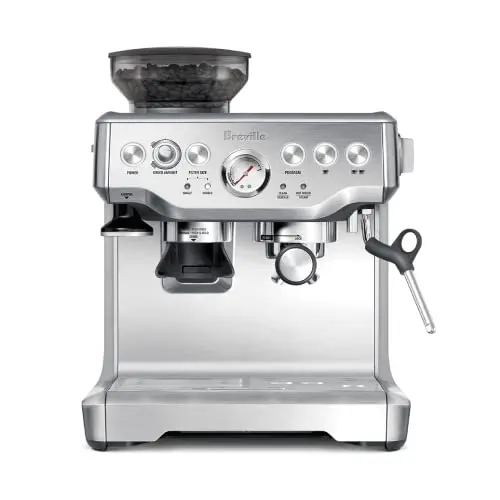
Barista Express BES870XL – Bean-to-Cup Espresso with Built-In Grinder
A proven bean-to-cup workhorse with an integrated conical burr grinder, PID temperature control, and a manual steam wand for hands-on latte art. It suits buyers who want to learn dialing in without adding a separate grinder.
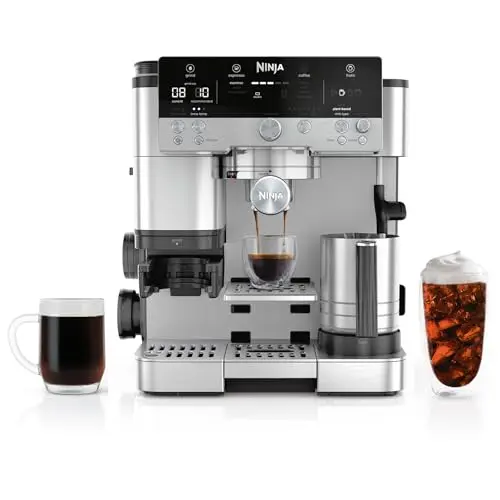
Luxe Cafe Premier ES601 – Guided 3-in-1 Espresso and Coffee
A guided 3-in-1 machine that pulls espresso, brews drip coffee, and makes cold brew, with a built-in 25-setting grinder and hands-free frothing. It is built for convenience and beginners who want consistent drinks with less guesswork.
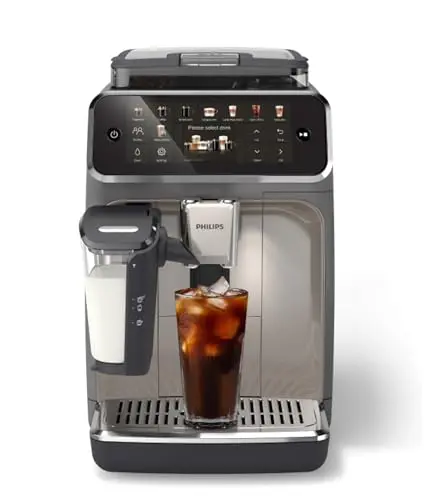
5500 Series EP5544/94 – Fully Automatic LatteGo Espresso
A fully automatic quick-mill machine with 20 hot and iced presets, a ceramic grinder, and the LatteGo milk system. It is the most hands-off pick here, with a color display and saved profiles.
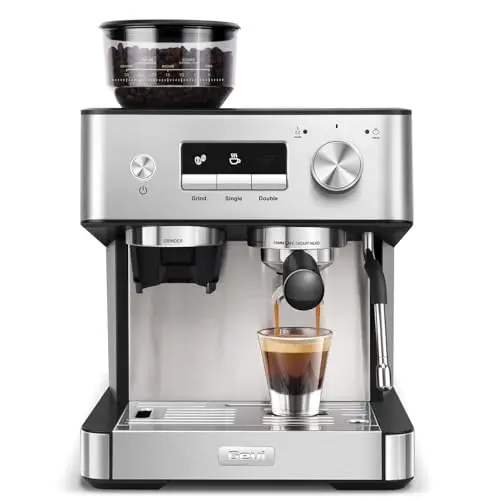
ECMI0-SS0A1 – 20-Bar Espresso with 30-Setting Grinder
A semi-automatic quick-mill espresso machine with a 30-setting conical burr grinder, 20-bar pump, PID temperature control, and a steam wand. It gives enthusiast-level control at a mid-range position.
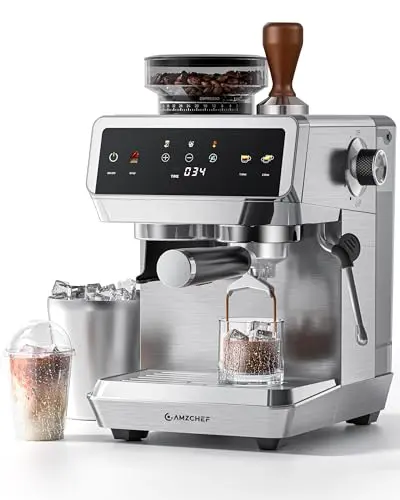
CM1626 – 44-Setting Grinder and Cold Brew
A compact quick-mill espresso machine with 44 grind settings, adjustable brew temperature, cold brew mode, and a touchscreen. It is the budget-friendly route to fresh-ground espresso and milk frothing.
How We Evaluated These Quick Mill Espresso Machines
We did not run controlled extraction labs or multi-month durability trials. What we did: cross-referenced five quick-mill espresso machines from five distinct brands across six decision axes – integrated grinder range, temperature and pressure control, milk-frothing workflow, footprint, included accessories, and real-world feedback where available. We triangulated published specifications, feature sets, and use-case fit for different buyer profiles, then mapped each machine to the routine it handles best. The goal was not to crown the most feature-loaded box, but to separate machines that genuinely shorten the bean-to-cup workflow from those that simply add a grinder.
Our scoring framework weighted real-world fit and workflow (70%) against feature differentiation (30%). A machine earned credit for how well it supports its intended drink style, how repeatable the process feels, and how much cleanup or counter space it demands. We also weighed whether the grinder adjustments are useful in daily use rather than just numerous on paper. We audited the included accessories and cleaning routines, because a quick-mill machine only stays convenient if the parts you touch every morning are easy to live with. We have no commercial relationship with any brand here; recommendations track fit and differentiation, not brand preference. If you want the most proven manual workflow, the Barista Express is the pick; if you want guided help, the Luxe Cafe Premier is the better fit.
How to Choose the Right Quick Mill Espresso Machine
1. What Makes a Quick Mill Espresso Machine Genuinely Quick?
In this roundup, a quick-mill espresso machine means an espresso machine with an integrated grinder that lets you go from whole beans to a shot without a separate appliance. The category is built around a bean-to-cup workflow: fill the hopper, set the grind, dose into the portafilter, and brew. The useful distinction is not simply whether a grinder is attached, but whether the grind-on-demand system is easy to adjust, consistent enough to repeat, and matched to the brewing style you actually use.
2. Integrated Grinder vs. Standalone Mill: What Changes in Daily Use
An integrated grinder saves counter space and removes the handoff between separate appliances, which is the main reason a quick-mill setup feels faster. It also creates a single workflow: the grinder, basket, and steam wand are designed to sit within arm’s reach. The tradeoff is flexibility. A standalone mill gives you an upgrade path and often more grinder choices, while an all-in-one machine locks those parts together. If you want a proven all-in-one manual setup, the Barista Express is the pick.
3. Pressure, Temperature, and Basket Size: The Espresso Machine Specs That Matter
Pressure ratings get a lot of attention, but PID temperature control and pre-infusion usually matter more for repeatable shots than a bigger bar number. A stable temperature helps you taste the difference when you change beans or grind size, while pre-infusion wets the puck gradually for a more even start. Portafilter size also shapes the workflow: 51mm baskets are common on compact machines, 54mm is a middle ground, and 58mm is the cafe-style standard. For a hands-off quick-mill routine with saved profiles, the Philips 5500 is the pick.
4. Milk Frothing: Manual Wand vs. Automatic Frother
A manual steam wand gives you control over texture and temperature, but it asks for technique and attention. An automatic frother trades some control for consistency and speed, which is why it suits milk-heavy routines and beginners. Either way, look for a system that can produce microfoam rather than dry bubbles, and check how easy the wand or milk carafe is to clean. The milk side often decides whether a quick-mill machine feels quick after the first week.
5. How Much Counter Space and Maintenance a Quick Mill Espresso Machine Really Needs
Measure your footprint before you buy. A built-in grinder adds height and depth, and some machines need clearance above the hopper for refilling. A removable water tank makes daily refills easier, especially if the machine sits under cabinets. Maintenance is the other half of convenience: empty the drip tray, rinse the steam wand, and follow the descaling schedule. A machine that is annoying to clean will quietly stop feeling convenient, no matter how good the first shot tastes.
6. Budget, Mid-Range, and Premium Quick Mill Espresso Machines
Entry-level quick-mill machines usually cover the basics: an integrated grinder, a steam wand, and a compact body. Mid-range models add better temperature control, more grind settings, and nicer accessories. Premium machines bring automation, saved profiles, quieter grinding, or easier milk systems. The right tier depends on how many variables you want to manage. If value is the priority, the AMZCHEF CM1626 is the pick; if you want the most hands-off routine, budget for the premium tier instead of chasing extra knobs.
Frequently Asked Questions
1. What does 'quick mill' mean in an espresso machine?
In this guide, quick mill describes an espresso machine with an integrated grinder that shortens the bean-to-cup workflow. Instead of dosing from a separate mill, you grind on demand directly into the portafilter. That saves counter space and one handoff, but it does not automatically make the machine faster if the grinder is hard to adjust or the steam wand is slow. Look for a grinder with useful grind settings, a clear dose control, and a workflow that matches how you actually make drinks.
2. Breville Barista Express vs. Ninja Luxe Cafe Premier: which is better for beginners?
The Barista Express rewards manual control: you dial the grind, dose, tamp, and steam milk yourself, so you learn the variables but also own the mistakes. The Ninja Luxe Cafe Premier leans on guided Barista Assist, assisted tamping, and hands-free frothing to reduce the learning curve. If you want to understand espresso mechanics, the Breville is the more instructive machine. If you want consistent drinks with less guesswork, the Luxe Cafe Premier is the easier starting point.
3. Philips 5500 vs. Gevi ECMI0-SS0A1: which quick-mill machine is more hands-off?
The Philips 5500 is fully automatic: it grinds, tamps, and brews at the push of a button, and the LatteGo system handles milk with minimal cleanup. The Gevi is semi-automatic, so you still dose, tamp, and steam milk, but it gives you more direct control over grind and extraction. The Philips wins on convenience; the Gevi wins on tinkering. If you want the most hands-off milk drinks, the Philips 5500 is the pick.
4. Do quick-mill espresso machines need special cleaning?
Yes, but mostly the same routines as any espresso machine, plus grinder care. Brush the burr grinder and hopper regularly, rinse the steam wand after every milk drink, and follow the descaling schedule for your water hardness. If the machine has a removable water tank, wash it periodically rather than just refilling it. Skipping grinder cleaning can leave stale oils behind, which shows up in the cup even when the espresso machine itself is working fine.
Final Verdict
For most buyers, the Barista Express is the answer – it pairs a proven integrated grinder with PID control and a manual steam wand, so you get real control without a second appliance. If you want guided help, the Ninja Luxe Cafe Premier is the easier start, with Barista Assist and hands-free frothing. If one-touch milk drinks matter most, the Philips 5500 is the premium pick, and its LatteGo system keeps cleanup simple. And if you want the lowest entry point to fresh-ground espresso, the AMZCHEF CM1626 delivers flexible grinding and cold brew at a budget-friendly tier. Start with the workflow you will actually repeat each morning; that matters more than the longest spec sheet.
