
Best Shampoo Bars For Female Hair Loss – 2026 Reviews

There’s a specific kind of dread that comes with running your fingers through your hair and coming away with more than you expected. For a lot of women, that moment kicks off a search that ends in the shampoo aisle – or, increasingly, in front of a wall of cardboard-wrapped bars with rosemary on the label and quietly confident claims about thickness.
Shampoo bars can genuinely help here, but rarely for the reason the labels suggest. Very few of them regrow hair. What a good bar does is stop making things worse: it cleans without stripping, skips the heavy silicones that flatten fine hair, and delivers actives like rosemary and biotin that support scalp health over time. Two things separate the useful ones from the marketing – how honest the claim is, and how well the formula suits your scalp.
We cross-shopped this category across brands to find bars that make sense for thinning, fragile, or shedding-prone hair, not just bars that look nice in a gift box. Below you’ll find the ones worth your money, who each is actually for, and the tradeoffs that don’t show up in the product photos.
Best Shampoo Bars for Female Hair Loss – 2026 Reviews
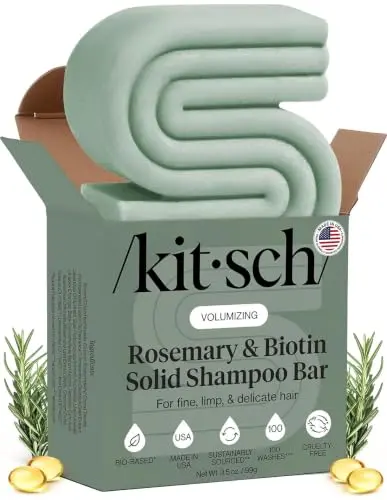
Rosemary & Biotin Shampoo Bar – Fuller-Looking Hair for Thinning Strands
A pH-balanced rosemary and biotin bar built for fine, delicate strands. Amaranth protein and a peptide blend target the breakage and split ends that make thin hair read thinner, while the formula stays gentle enough for color-treated hair. Compact, tidy, and made in the USA.
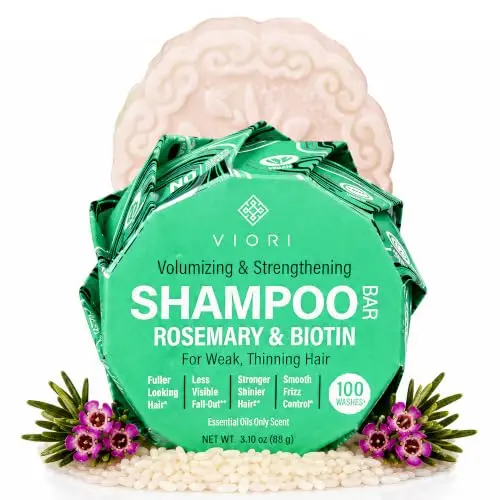
Rosemary Biotin Shampoo Bar – Rice Water Shine for Fine Hair
A rosemary and biotin bar built on Longsheng rice water, jojoba esters, and PQ10. It cleanses without sulfates and leans into shine and smoothness, which makes it a natural fit for fine or color-treated hair that looks dull rather than damaged.
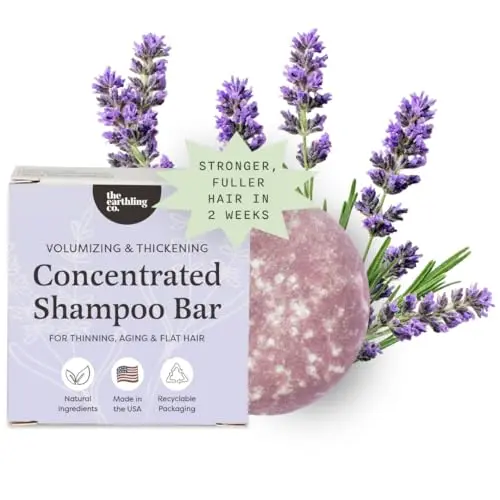
Volumizing Shampoo Bar – Marshmallow Root for Thinning Hair
A pH-balanced volumizing bar with marshmallow root and elderberry, reviewed by dermatologists for sensitive skin. It lathers like bottled shampoo, adds bounce to flat hair, and is formulated for scalps that react to harsh cleansers.

Biotin & Rosemary Shampoo Bar – Root Lift for Flat Hair
A biotin and caffeine bar that goes after flat roots. Rosemary and a light tingle wake up the scalp while the lather lifts away the buildup that weighs fine hair down. Vegan, sulfate-free, and compact enough for a gym bag.
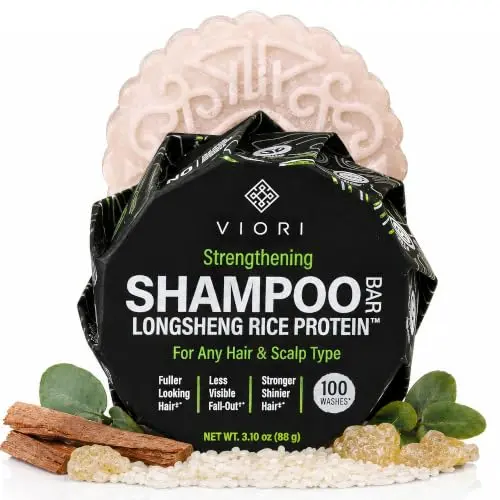
Strengthening Shampoo Bar – Rice Water for Everyday Strength
A handcrafted rice water bar for everyday strengthening and shine. Sulfate-free and pH-balanced, it’s gentle enough for daily washing and pairs with a matching conditioner bar for a bottle-free routine.

Ginger Shampoo Bar – Three-Bar Set for Thinning Hair
A three-bar ginger set built around camellia, olive, and shea oils. It’s mild on the scalp, lathers generously, and offers the lowest entry point in this lineup if you want to test the ginger route before committing.

Korean Scalp Revival Bar – Botanical Care for Reactive Scalps
A Korean-style scalp bar with amino acids, biotin, rosemary, green tea, ginseng, and centella. Designed for dry, oily, or sensitive scalps, it targets flakes and itchiness alongside everyday cleansing.
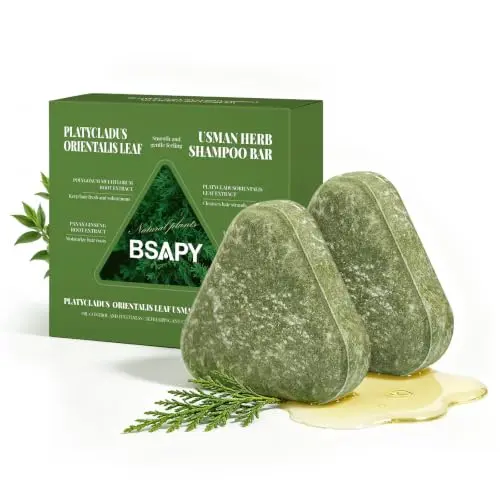
Usman Herb Shampoo Bar – Herbal Blend for Thinning Hair
A two-bar herbal formula built around Fo-Ti root, ginseng, tea tree, and castor oil. Coconut-derived cleansers keep the wash mild, and the bar is aimed at thinning hair that also deals with excess oil.
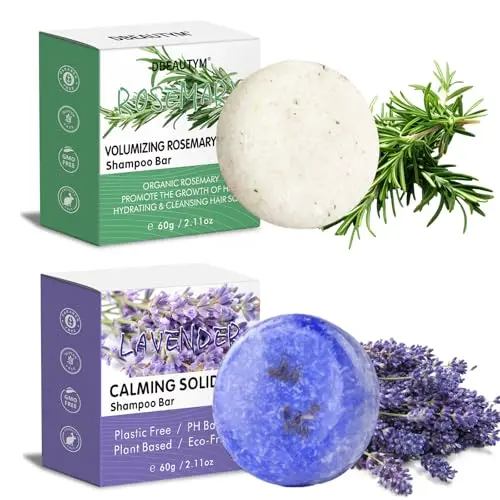
Rosemary Lavender Shampoo Bar – Deep-Cleansing Two-Pack
A two-pack of rosemary and lavender bars for deep cleansing. Aimed at oily and neutral hair, it cuts through styling product and buildup while keeping the wash lightweight for fine strands.
How We Evaluated These Shampoo Bars for Female Hair Loss
We didn’t run scalp biopsies, dermatologist-supervised patch testing, or multi-month growth trials. What we did: cross-referenced 9 shampoo bars from 8 distinct brands across five decision axes – active ingredients, scalp-type compatibility, lather and rinsing behavior, hair-texture fit, and bar format and upkeep. We triangulated published specifications and ingredient lists against the claims each brand makes, weighed owner feedback where available for signals on residue, greasiness, and durability, and audited packaging and bar dimensions too – though a heavier bar isn’t automatically a better one.
That last part matters more than it sounds. A bar that leaves film behind will make fine hair look thinner within a week, regardless of which actives are listed. We also mapped how each brand talks about hair loss: some promise follicle stimulation that no over-the-counter bar can deliver, while others stick to fuller-looking and reduced breakage. For women dealing with genuine shedding, that distinction is the whole ballgame.
The scoring framework weighted real-world fit (70%) – how well a bar serves thin, fragile, or reactive hair day to day – against feature differentiation (30%) – distinct actives, pH balance, and format advantages. Recommendations track fit and differentiation, not brand preference, and no brand in this lineup earned its spot on name recognition. If you want the most complete all-rounder, the Kitsch Rosemary & Biotin Shampoo Bar is the one; if your scalp reacts to everything, the Earthling Co Volumizing Shampoo Bar is built for that.
How to Choose the Right Shampoo Bar for Female Hair Loss
1. What Actually Helps With Female Hair Loss in a Shampoo Bar
It’s worth being blunt: a shampoo bar is cosmetic support, not treatment. The clinically studied routes for androgenetic hair loss are medications, not cleansers. What a bar can realistically do is reduce the things that compound thinning – breakage from rough washing, buildup that flattens fine hair, and an irritated scalp environment that makes shedding look worse.
So judge a bar on those terms. Does it cleanse without stripping? Does it rinse clean? Does it include actives that support the scalp rather than coat it? Those three questions filter this category faster than any ingredient list.
2. Reading the Active List: Rosemary, Biotin, Caffeine, and Ginger
Rosemary is the botanical that gets the most attention in this category, and it appears in most of the bars here – usually paired with biotin, which is included more for strand strength than follicle stimulation. Caffeine shows up in formulas aimed at root lift, and ginger is the wildcard, typically framed around circulation.
None of these are miracles, and that’s fine. What matters is the base they sit in: a sulfate-free, pH-balanced formula that doesn’t irritate the scalp will do more for thinning-looking hair than a harsh cleanser with an impressive-sounding active list. Ignore anything promising regrowth.
3. Matching a Shampoo Bar to Your Scalp Type and Hair Texture
Fine, oily hair that goes limp by afternoon wants a clarifying-leaning bar – our Arista pick, with its caffeine and root-lift focus, fits that profile. Dry or color-treated hair does better with a conditioning base; the Viori Rosemary Biotin Shampoo Bar is built around rice water and shine for exactly that reason.
If your scalp is itchy, flaky, or reactive, stop optimizing for volume and start with a pH-balanced, dermatologist-reviewed formula. An irritated scalp sheds more, and no active ingredient overcomes that. The Earthling Co Volumizing Shampoo Bar is the bar here that takes that trade seriously.
4. Why Lather, Residue, and Rinsing Matter More Than Scent
Solid shampoo lathers differently from liquid, and how a bar handles hard water decides whether your hair ends up soft or coated. Bars built on gentle coconut-derived cleansers rinse cleaner than soap-based ones, which can leave residue that makes fine hair feel waxy at the roots.
If your hair feels weighed down after washing, the bar is usually the culprit, not your technique. Look for formulas that explicitly claim no silicone and no film, and rinse longer than you think you need to.
5. Budget vs Premium Shampoo Bars for Hair Loss
The category splits roughly into three tiers. Entry-level multi-packs get you two or three bars for the price of a single premium one – useful for testing a format or an active like ginger. Mid-range single bars are where most of the good formulas live, with better ingredient quality and pH balance. Premium sets bundle shampoo with a conditioner bar and make sense if you’re committing to a bottle-free routine.
Compare cost per wash, not sticker price. A bar that lasts far longer can be cheaper than the multi-pack, and a cheap bar that crumbles in a week is expensive in practice. Storage habits change the math more than the label does.
6. Bar Care, Storage, and How Long One Bar Lasts
Everything in this category lives or dies by dry between uses. A draining dish or a slatted holder keeps the bottom of the bar from turning to paste, and it’s the difference between a bar lasting weeks and one that goes in the bin early.
Keep bars out of the shower’s direct spray, and use a vented tin rather than a sealed one when you travel. If your bar cracks, it’s usually waterlogged storage rather than a bad formula.
Frequently Asked Questions
1. Do shampoo bars for hair loss actually regrow hair?
No over-the-counter shampoo bar regrows hair the way a clinically studied treatment does, and any bar implying otherwise is overselling. What a good bar can do is reduce breakage, keep the scalp environment clean and balanced, and skip the heavy silicone and residue that make fine hair look thinner than it is. Think of it as supportive care that makes the most of the hair you have.
If shedding is sudden, patchy, or comes with other symptoms, a dermatologist is the right stop before any shampoo.
2. What's the difference between the Kitsch Rosemary & Biotin bar and the Viori Rosemary Biotin bar?
Both lead with rosemary and biotin, and both are pH-balanced and sulfate-free, but they’re built for slightly different hair. The Kitsch formula adds amaranth protein and a peptide blend, so it leans into strand strength and breakage reduction – the better match if your hair snaps and splits.
The Viori bar sits on Longsheng rice water with jojoba esters and PQ10, which makes it more conditioning. It’s the pick if your hair is fine and color-treated and reads dull rather than damaged.
3. Which suits fine hair better, the Earthling Co bar or the Arista Biotin & Rosemary bar?
They solve different problems. The Earthling Co bar is the gentler of the two: marshmallow root and elderberry with glycerin and B5, pH-balanced and dermatologist-approved, with lather that builds instantly. Go that way if your scalp is reactive or your hair runs dry at the ends.
The Arista bar is the more clarifying option, with caffeine and biotin and a light tingle. It’s the better fit for an oily scalp and roots that flatten by midday.
4. Which shampoo bar should you choose for a sensitive, reactive scalp?
Start with the Earthling Co Volumizing Shampoo Bar. It’s the bar here formulated with dermatologist approval and a pH balance aimed at sensitive skin, and the absence of sulfates, silicones, and parabens keeps irritation risk low. If you want a botanical-first alternative, the Pwkvsn Korean Scalp Revival Bar stacks centella and green tea for soothing.
Either way, patch test on your inner arm first and give it a couple of weeks before judging.
5. How should you store a shampoo bar so it lasts?
Keep it dry between uses – that single habit matters more than any formula detail. A draining dish or slatted holder lets water run off instead of pooling underneath, which is what turns a bar soft and crumbly.
Store it out of the direct shower spray and away from the tub edge, and use a vented tin rather than a sealed one for travel. One more trick: cut a large bar in half and keep the spare dry, so the piece in rotation lasts longer and you learn how far a bar really goes.
Final Verdict
For most women shopping this category, the Kitsch Rosemary & Biotin Shampoo Bar is the answer – it pairs the actives everyone is looking for with a pH-balanced, color-safe formula that doesn’t leave fine hair flatter than it started. If your scalp bristles at everything, the Earthling Co Volumizing Shampoo Bar is the gentler lane, built around sensitive-skin approval and a lather that behaves like bottled shampoo. And if you want to try the ginger route without committing much, the Starhig Ginger Shampoo Bar gives you three bars to work through. Whichever you choose, give it a full bar before judging – scalp routines move slowly, and the honest wins here are less shedding and less breakage, not a new hairline.
