
Best Shampoo Bars For Oily Hair – 2026 Reviews

Oily hair has a way of making a good wash feel like a short-term fix: roots look clean at 8 a.m., then flatten and shine by lunch. Shampoo bars can help, but only if they are built for the job. A bar that is too rich can leave a film; one that is too aggressive can make the scalp tight and the ends straw-like.
For oily hair, the useful split is between clarifying bars that cut buildup and balanced bars that clean without over-drying. The other axis is hair texture. Fine hair needs a lightweight finish, while thicker hair can handle a richer bar as long as the scalp still feels clean. Scent and format matter, but they should not be the main event.
We looked across the market at bars positioned for oily scalps, buildup, and fine hair, then sorted them by how well they balance a deep clean with a livable finish. The goal is not to crown one brand. It is to help you pick the bar that fits your scalp, your ends, and your wash routine.
Best Shampoo Bars for Oily Hair – 2026 Reviews
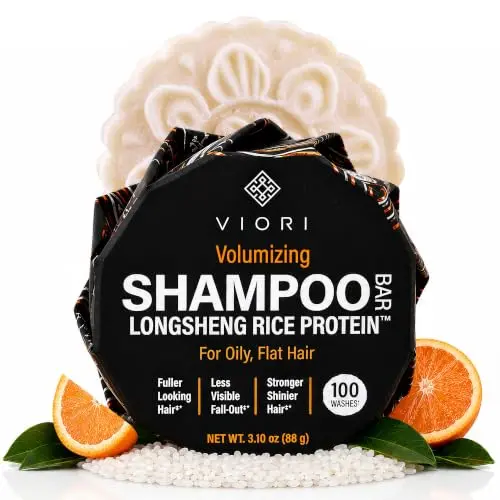
Clarifying Shampoo Bar Citrus Yao – Oil Control Without Stripping
A citrus-scented clarifying bar built for oily, flat hair that needs root lift without a tight, stripped finish. The Longsheng rice water base is paired with a bright grapefruit-forward scent, and the bar is sulfate-free, paraben-free, pH-balanced, vegan, and plastic-free.
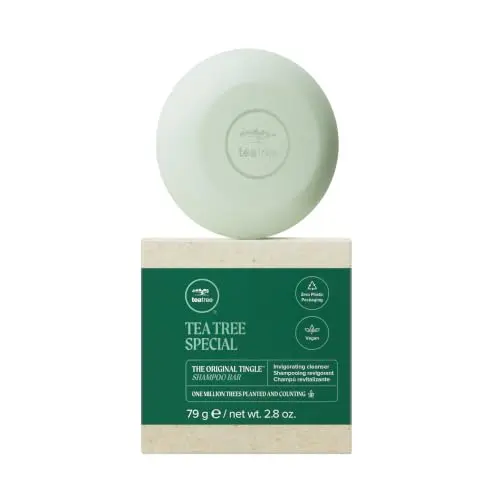
Special Shampoo Bar – Deep Clean for Oily Roots
A solid, disc-shaped version of the Tea Tree Special formula, made with less water and zero-plastic packaging. It is positioned for deep cleansing and scalp refresh, especially when oiliness is the main complaint.
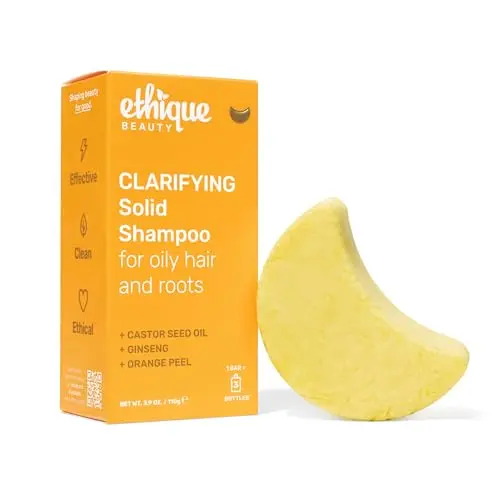
Clarifying Solid Shampoo Bar – Castor Oil Cleanse for Buildup
A plastic-free clarifying bar with castor seed oil, ginseng, and orange peel, aimed at excess oil and product buildup. It is vegan, cruelty-free, SLS-free, and positioned as safe for color-treated hair.
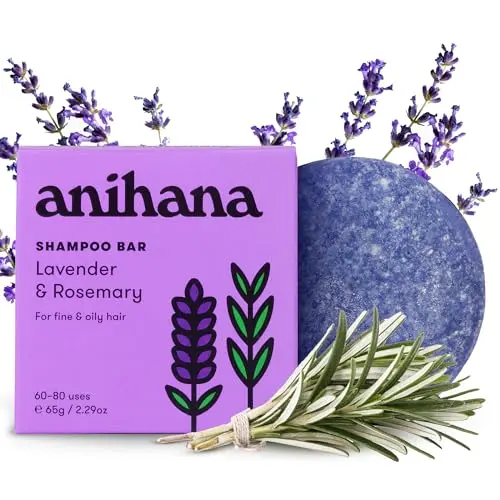
Shampoo Bar for Thin, Fine & Oily Hair – Lavender & Rosemary Lift
A lightweight bar designed specifically for thin, fine, and oily hair, with lavender and rosemary for a fresh scent. The formula is SLS/SLES-free, paraben-free, silicone-free, vegan, and packaged in home-compostable material.
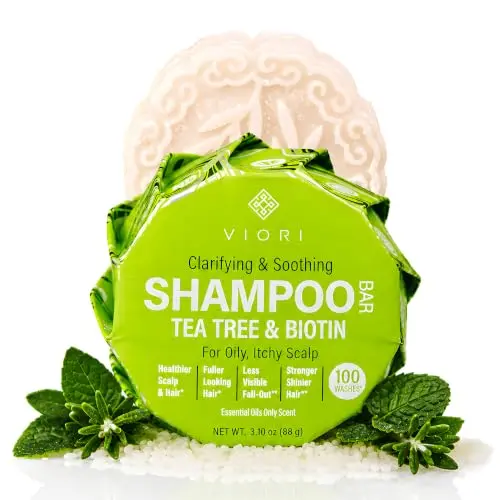
Tea Tree Mint Shampoo Bar – Cooling Clean for Oily Scalp
A rice water bar with tea tree and peppermint essential oils, positioned for oily scalps that also want soothing refreshment. It is sulfate-free, vegan, plastic-free, and travel-ready.
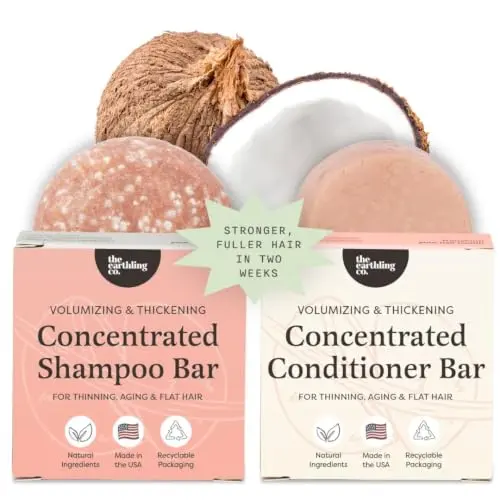
Volumizing Shampoo & Conditioner Bar Set – Vanilla Coconut
A two-bar set aimed at thin, flat, fine hair, with a volumizing shampoo and a detangling conditioner bar. Both bars are sulfate-free, silicone-free, paraben-free, pH-balanced, and made in the USA.
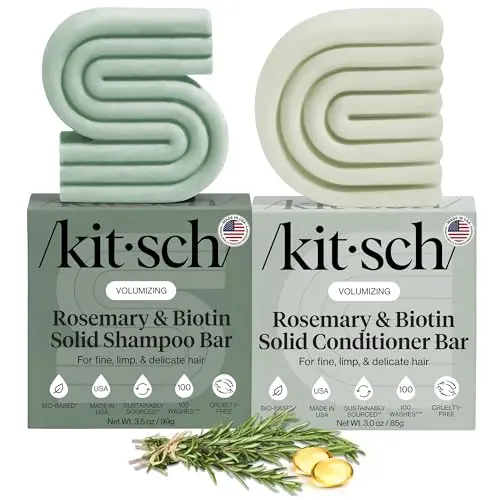
Rosemary & Biotin Shampoo and Conditioner Set – Volume for Fine Hair
A solid shampoo and conditioner duo with rosemary, biotin, and amaranth protein, aimed at fine or delicate hair that wants fullness and reduced breakage. The bars are sulfate-free, silicone-free, paraben-free, pH-balanced, and color-safe.
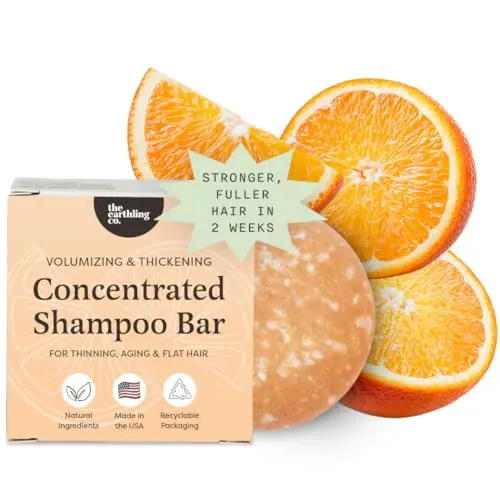
Shampoo Bar Citrus Sun – Moisture and Volume for All Hair Types
A citrus-scented shampoo bar with marshmallow root, elderberry, glycerin, and vitamin B5. It is sulfate-free, silicone-free, paraben-free, pH-balanced, and positioned for all hair types, including oily scalps that need balance rather than a harsh reset.

Rice Water Shampoo Bar – Strengthening for Everyday Care
A rice water and rice protein bar focused on strengthening, reducing breakage, and boosting shine. It is pH-balanced, color-safe, sulfate-free, silicone-free, paraben-free, vegan, and made in the USA.
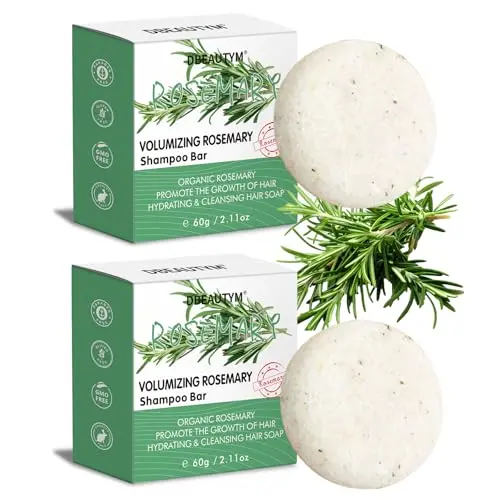
Rosemary Shampoo Bar 2 Pack – Oil Control with Shea Butter
A two-pack of rosemary shampoo bars with olive oil and shea butter, aimed at excess oil and buildup while keeping hair soft. The bars are positioned for fine and oily hair and come as a gift-friendly set.
How We Evaluated These Shampoo Bars for Oily Hair
We didn’t run scalp sebum measurements or controlled multi-week wash trials. What we did: cross-referenced 10 shampoo bar models from seven distinct brands across five decision axes – clarifying strength, ingredient profile, lather and rinse behavior, residue risk, and fit for fine versus thick oily hair. We triangulated published specifications, formula details, owner feedback where available, and use-case fit against common oily-hair routines, then mapped each bar to the buyer profile it serves best.
The scoring framework weighted real-world performance for oily hair (70%) – how well each bar cuts oil without leaving the scalp tight or the lengths parched – against feature differentiation (30%) – scent, format, set value, and specific claims that separate one bar from another. We have no commercial relationship with the brands featured; recommendations track fit and differentiation, not brand preference. If your priority is a balanced daily reset, the Viori Clarifying Shampoo Bar is the sensible starting point; if you want a stronger deep-clean feeling, the Tea Tree Special Shampoo Bar is the one to compare against it.
We paid particular attention to the oily-hair use case rather than treating every bar as a generic all-rounder. A shampoo bar can clean well and still fail here if it leaves a film, over-dries the scalp, or makes fine hair collapse by afternoon. We weighed those practical outcomes over marketing language, and we kept the lineup limited to bars whose published features or feedback actually support oily-hair use. Where a bar is better suited to dry, damaged, or growth-focused routines, we say so in the card rather than forcing it into the top tier.
How to Choose the Right Shampoo Bars for Oily Hair
1. What Actually Helps Oily Hair in a Shampoo Bar
A shampoo bar for oily hair has to do two jobs at once: lift oil and buildup from the scalp, then leave the lengths soft enough that you do not need a separate mask every wash. The useful bars usually combine a gentle but effective surfactant system with clarifying ingredients such as citrus, tea tree, rosemary, or castor oil. What separates a good bar from a mediocre one is the finish: clean roots, no waxy film, and enough slip that your conditioner can do its job.
Do not assume ‘clarifying’ means ‘harsh.’ Many strong liquid clarifying shampoos rely on aggressive detergents that can leave the scalp tight. A well-made bar can clarify while staying pH-balanced and easy to use several times a week.
2. Clarifying Strength vs. Stripping: How to Read the Formula
Read the formula for the kind of clean you actually want. Sulfate-free bars are gentler and better for frequent washes, but they may not cut heavy product buildup as quickly. pH-balanced formulas are less likely to leave hair rough over time. Ingredients like castor oil add a softer cleanse, while tea tree brings a fresh, tingly scalp feel. If you color your hair, look for a bar that explicitly says it is color-safe.
3. Lather, Residue, and the Transition Period
Solid shampoo often needs a short transition period while your scalp adjusts, especially if you are coming from a heavy liquid formula. You may notice waxy buildup if the bar does not rinse fully or if you apply it directly to dry hair. Work it between wet hands or glide it over the scalp, then massage and rinse thoroughly. Lather quality varies by water hardness and bar formula; a thinner lather is not automatically a weaker clean.
4. Best Shampoo Bars for Oily Hair: Fine Hair vs. Thick Hair
Fine hair usually benefits from a lightweight bar that lifts roots without a coating. Thick or coarse hair can handle a richer formula, but it still needs a thorough scalp clean. If your scalp is oily and your ends are dry, the Earthling Co. Shampoo Bar Citrus Sun is the compromise pick. For fine hair that collapses by noon, the Anihana Shampoo Bar is the better route.
5. How to Store and Make a Shampoo Bar Last
Shampoo bars last longer when they can dry between uses. Keep yours in a draining dish rather than a sealed travel case, and let it dry between uses to avoid mush. Do not leave it in standing water at the edge of the tub; that is the fastest way to turn a long-lasting bar into a short one.
6. Price Tiers Without the Guesswork
Most bars sit in the entry-level or mid-range tier, and the difference is often not about cleansing power but about extras: a matching conditioner, a two-bar set, or a more specialized scent. A premium bar may cost more because of a concentrated formula or a full routine in one box, but it still has to deliver a clean rinse. Compare the cost per wash, not just the sticker on the box.
Frequently Asked Questions
1. Are shampoo bars actually good for oily hair?
Yes, if the bar is formulated for oil and buildup rather than rich moisture. The best bars for oily hair use a clarifying surfactant system and ingredients like citrus, tea tree, or rosemary to lift residue without leaving the scalp tight. A bar can be just as effective as a liquid shampoo here, but it helps to apply it to a wet scalp and rinse thoroughly. If you want a balanced daily option, the Viori Clarifying Shampoo Bar is a practical place to start.
2. Viori Clarifying Shampoo Bar vs. Ethique Clarifying Shampoo Bar: which is better for oily hair?
The Viori is the more citrus-forward, lightweight choice, with a rice water base that suits fine hair and frequent washes. The Ethique leans more buildup-focused, with castor oil and orange peel and a color-safe positioning that may appeal if you clarify often. Choose Viori for a balanced daily reset and Ethique if you want a gentler clarifying bar for buildup without a stripped finish.
3. Tea Tree Special Shampoo Bar vs. Anihana Shampoo Bar: which suits fine oily hair?
The Tea Tree bar is the stronger deep-clean pick, with a tingly, refreshing finish that suits an oily scalp after workouts or heavy product use. The Anihana is more fine-hair specific, with a lightweight volume focus and a lavender-rosemary scent. If your priority is maximum oil removal, go Tea Tree; if you want lift without heaviness, the Anihana Shampoo Bar is the better fit.
4. Will a shampoo bar for oily hair make my ends dry?
It can, especially if you use a strong clarifying bar every wash and skip conditioner. The fix is not to abandon bars but to condition the ends, keep the bar focused on the scalp, and alternate with a more balanced formula if your hair feels rough. A pH-balanced bar and a matching conditioner bar usually make the biggest difference. If your ends are already dry, start with a gentler clarifying option rather than the most aggressive bar in the lineup.
Final Verdict
For most oily-hair shoppers, the Viori Clarifying Shampoo Bar Citrus Yao is the easiest recommendation: it clarifies roots, keeps fine hair light, and avoids the tight, stripped feeling that makes people give up on bars. If you want a more aggressive deep-clean sensation, the Tea Tree Special Shampoo Bar is the one to compare against it. If your main issue is fine hair that goes flat by midday, the Anihana Shampoo Bar is the more targeted pick. And if buildup comes with dry ends, the Ethique Clarifying Solid Shampoo Bar walks the line between clean and conditioned. Start with the bar that matches your strongest complaint, then adjust wash frequency before you blame the format.
