
Best Sock Aids For Compression Socks – 2026 Reviews

Compression socks are supposed to feel snug. That’s the point. But that snugness turns a simple morning task into a wrestling match once bending, reaching, or hand strength becomes a problem. A regular sock aid can help with an athletic sock; a compression sock asks more of the shell, the grip surface, and the pull.
The useful divide in this category isn’t brand name or handle color. It’s whether the aid can hold a firm stocking open long enough for your foot to enter, and whether the cord-and-handle setup lets you pull from a seated position without the sock rolling off. We looked at sock aids that are sold for compression use or have enough owner feedback to suggest they can handle it, then weighed the tradeoffs.
Some designs are dedicated compression tools with rigid shells; others are simpler everyday aids that may work with lighter compression. This guide helps you pick by compression level, foot size, and how much reach you need.
Best Sock Aids for Compression Socks – 2026 Reviews
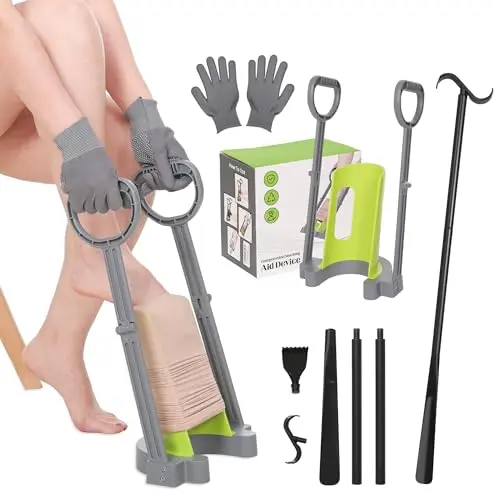
Compression Sock Aid Device – Firm-Compression Support
A dedicated compression sock aid with a plastic shell, full-width anti-slip band, and detachable dressing rod for reaching without bending.
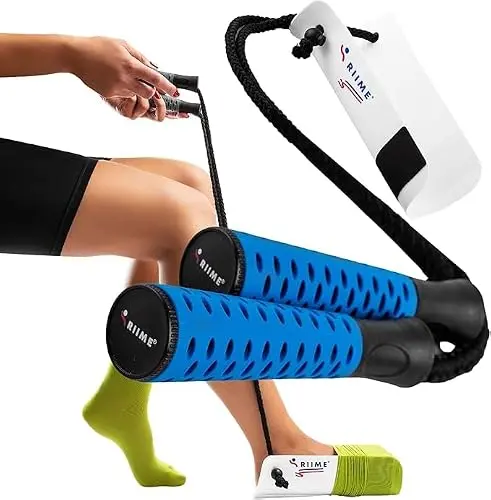
SOKELP Sock Aid – Compression-Focused Helper
A compression-focused sock helper with breathable handles, a full-width foam pad, soft-touch shell, and portable ABS build.
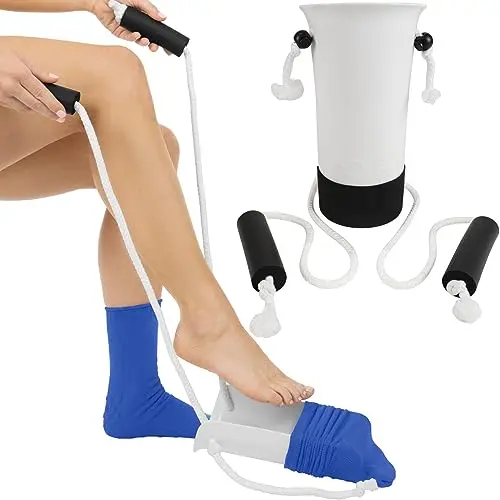
Sock Aid – Contoured Stocking Slider
A contoured sock slider with foam grip handles, a slip-resistant cuff, and button-adjusted cords for limited mobility.
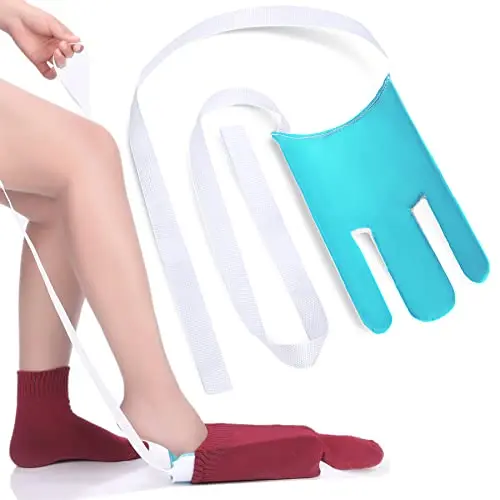
Sock Aid – Budget Three-Finger Helper
A budget-friendly three-finger sock aid with terrycloth grip, nylon lining, and adjustable cord for low-bend dressing.
How We Evaluated These Sock Aids for Compression Socks
We didn’t run compression-pressure testing or trial these aids through a full recovery routine. What we did: cross-referenced four sock aids for compression socks from four distinct brands across five decision axes – compression compatibility, shell shape and width, grip and slip resistance, cord and handle adjustability, and ease of use from a seated position. We triangulated published specifications, feature sets, owner feedback where available, and use-case fit for compression sock wearers with limited reach or hand strength. We also weighed how each shell behaved with the sock types named in its own product information, since compression capacity varies widely.
The scoring framework weighted real-world fit and compression compatibility (70%) – how well each aid handles the sock type it claims to support – against feature differentiation (30%) – shell design, grip surfaces, reach adjustments, and included tools. We have no commercial relationship with the brands featured; recommendations track fit and differentiation, not brand preference. If your compression socks are firm and you need a dedicated tool, the JFMkaer Compression Sock Aid Device is the most purpose-built pick; if you want a lighter, more packable helper for medium compression, the RIIME SOKELP Sock Aid is the better fit.
One limit worth stating plainly: we did not physically load every stocking type or test durability over months of daily dressing. This evaluation is built on published product information, feature comparison, and aggregated owner feedback where available.
How to Choose the Right Sock Aids for Compression Socks
1. Why Compression Socks Need a Different Sock Aid
A regular sock aid is mostly a smooth ramp for a soft sock. Compression socks are tighter, denser, and less forgiving, so the aid has to hold the stocking open while your foot enters and then release it without rolling the cuff. The key difference is compression level: a mild stocking may slide onto a simple shell, while a firm one needs a rigid cradle, a slip-resistant surface, and a shape that does not collapse under tension.
That is why some aids sold for everyday socks should not be treated as compression tools. If the maker explicitly says no to compression, believe that guidance unless you are willing to experiment. For firm stockings, start with a dedicated design like the JFMkaer Compression Sock Aid Device, which is built around medium to high elasticity rather than regular hosiery.
2. Matching Sock Aid Shells to Your Compression Level
Compression socks come in different grades, and the shell needs to match. A rigid plastic shell or open cradle gives firm stockings less room to bunch, while a flexible shell can be easier to load but may twist during the pull. Look for a full-width anti-slip band or textured pad, because a thin cuff lets the sock slide off at the worst moment.
If you wear medium compression daily and want something that packs flat, the RIIME SOKELP Sock Aid is a sensible middle ground. It uses a foam pad and breathable handles rather than a heavy dressing kit, so it suits lighter travel and smaller storage spaces. For very firm stockings, prioritize shell rigidity over portability.
3. Handles, Cords, and Reach for Compression Sock Wearers
Reach matters as much as the shell. Foam handles are easier on weak hands than bare cord, and adjustable cords let you pull from a chair, bed edge, or wheelchair without leaning forward. Button adjustors are quicker to reset than knots, though knots are less likely to slip.
A dedicated dressing rod can be useful if you also need help with shoes or clothing, but it adds bulk. If your main goal is seated dressing, test the cord length before you rely on the aid; a too-short cord forces the exact bend you are trying to avoid. The JFMkaer kit includes a detachable rod, while simpler aids keep the focus on the sock pull alone.
4. Foot Size, Shell Width, and Slip Resistance
Fit is where many sock aids succeed or fail. A shell that is too narrow can pinch a wide foot; one that is too wide can let a smaller sock slip off. Check the maker’s stated foot width and shell width before buying, especially if you are between sizes or wear thick compression stockings.
Slip resistance is the other half of fit. Smooth edges help the sock glide on, but the holding surface must grip enough to keep the stocking from rolling. If you use lighter compression and want a simple contoured slider, the Vive Sock Aid can work when its shell matches your foot, though it is not the surest choice for firm stockings.
5. Budget vs. Premium Sock Aids for Compression Socks
Budget-friendly sock aids can be perfectly useful for regular socks, but compression compatibility is where corners show. A low-cost shell may be flexible enough to load easily yet too soft to hold a firm stocking open. Premium aids tend to add rigid shells, wider anti-slip surfaces, better handles, or extra dressing tools. You do not need to spend the most, but you should match the aid to your compression level rather than buying on price alone.
Durability also matters because a broken aid can leave you stuck mid-routine. Look for polished edges, secure cord attachments, and a shell material that does not crack under repeated loading. A slightly higher upfront cost is easier to justify if the aid is part of your daily dressing routine.
Frequently Asked Questions
1. What's the difference between the JFMkaer Compression Sock Aid Device and the RIIME SOKELP Sock Aid?
The JFMkaer Compression Sock Aid Device is the more dedicated compression tool: a rigid plastic shell, a full-width anti-slip band, and a detachable dressing rod for shoes and clothing. It is aimed at medium to high elasticity and feels like a small dressing kit. The RIIME SOKELP Sock Aid is lighter and more packable, with breathable handles and a foam pad that suits medium compression. Choose JFMkaer for firm stockings and a fuller routine; choose RIIME for travel and moderate compression.
2. Can the Vive Sock Aid handle tight compression stockings?
It is not the safest bet for tight stockings. The Vive Sock Aid has a contoured shell, foam grip handles, and a slip-resistant cuff, but its shell is relatively narrow and feedback on compression use is mixed. It can work for lighter compression or everyday socks when the fit is right. For firm compression, a dedicated shell is more reliable.
3. How does the CAidRE Sock Aid compare with the Vive Sock Aid for compression socks?
The CAidRE Sock Aid is the more budget-friendly option, with a three-finger shell and terrycloth grip. However, the maker does not recommend it for compression socks, which is a real manufacturer warning rather than a small footnote. The Vive Sock Aid adds foam handles and button adjustors, and its slip-resistant cuff may suit lighter compression. Neither is a sure thing for firm compression.
4. What should I look for in a sock aid for compression socks?
Start with compression level and work backward. A firm stocking needs a rigid shell, a slip-resistant surface, and a shape that holds the sock open. Check shell width against your foot size, then look at adjustable reach so you can pull from a seated position. If you also need help with shoes or clothing, a detachable dressing rod can be useful, but it adds bulk.
Final Verdict
For most people wrestling with compression socks, the JFMkaer Compression Sock Aid Device is the answer. It is the only aid here explicitly built for medium to high elasticity, and the detachable dressing rod turns it into a fuller dressing kit rather than a one-trick shell. If your compression is moderate and you want something lighter to pack, the RIIME SOKELP Sock Aid is the better fit, though it is less sure with very firm stockings. And if you use lighter compression or everyday socks and want a simple contoured slider, the Vive Sock Aid can work well when the shell width matches your foot. The CAidRE Sock Aid is budget-friendly but the maker does not recommend it for compression, so treat it as a regular-sock backup. Buy for your compression level first; the wrong shell makes every aid feel useless.
