
Best Solid Shampoo Bars For Sensitive Scalps – 2026 Reviews

A reactive scalp has a way of making every wash feel like a gamble. You lather up, rinse, and then spend the next hour noticing your hairline: the tightness, the itch, the flakes at the crown that weren’t there this morning. Solid shampoo bars were supposed to simplify that. Instead they added a new set of variables, because a bar can be saponified soap sitting at an alkaline pH, packed with peppermint or tea tree oil, or scented with a fragrance blend that never appears in large print.
Two things separate a bar that settles a sensitive scalp from one that sets it off. The first is cleansing chemistry: mild coconut-derived surfactants behave very differently from true soap, and the difference shows up within minutes. The second is everything the bar carries besides cleanser – fragrance oils, essential oils, and actives like zinc pyrithione or salicylic acid that either help or hurt depending on what your scalp is actually doing.
What follows is a cross-brand look at the solid shampoo bars worth considering for sensitive scalps, organized around the kind of reactivity you’re dealing with rather than around one brand’s lineup. Some of these are purpose-built for reactive skin. Others are general-audience bars that happen to be formulated gently enough to earn a place.
Best Solid Shampoo Bars for Sensitive Scalps – 2026 Reviews
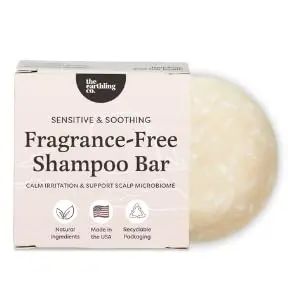
Gentle Fragrance-Free Shampoo Bar – Calm for Reactive Scalps
A fragrance-free solid bar built specifically for reactive skin. The lather comes from coconut-derived sodium cocoyl isethionate rather than sulfates, and the formula leans on jojoba oil, apricot oil, cocoa butter, vitamin B5, and elderberry to clean without stripping. Free of sulfates, silicones, and parabens, and made in the USA.

2% Pyrithione Zinc Shampoo Bar – Medicated Relief for Flaky Scalps
A medicated-leaning four-ounce bar with 2% pyrithione zinc, formulated at pH 5.1 to sit close to skin’s natural range. No sulfates, SLS, parabens, PEG, or preservatives, and the ingredient list is built to EWG safe-listing standards. Scented with peppermint.
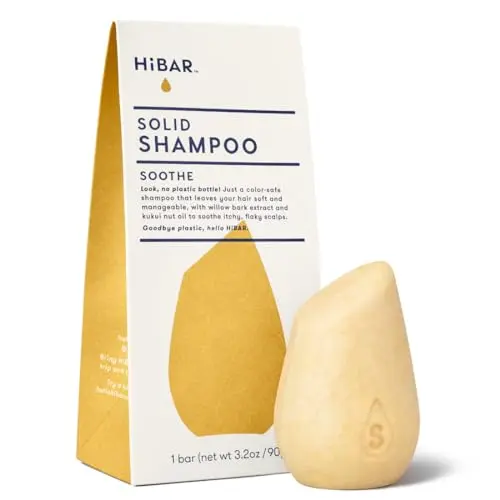
Soothe Shampoo Bar – Weekly Reset for Dry, Itchy Scalps
An exfoliating bar built around salicylic acid and willow bark extract, with honey and shea butter to keep it from drying you out. No dyes or artificial fragrance, Leaping Bunny certified, and safe for color-treated hair. Designed as a once-a-week treatment rather than a daily wash.
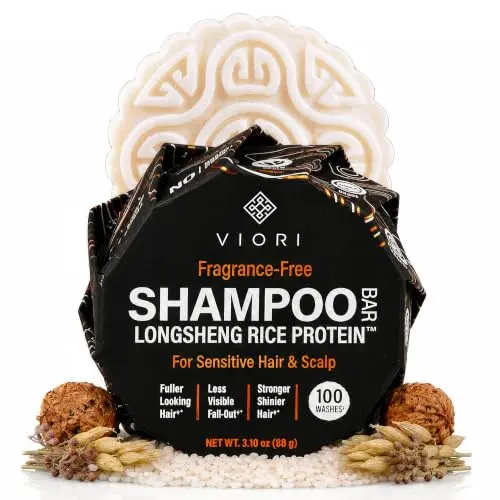
Native Essence Shampoo Bar – Truly Unscented Rice Water Cleanse
A genuinely unscented rice water bar – no fragrance oils, no synthetic perfume, just a faint natural earthiness from the botanicals. Longsheng rice water, rice bran oil, shea butter, cocoa butter, and aloe vera do the work, and the whole thing is vegan, cruelty-free, and plastic-free.
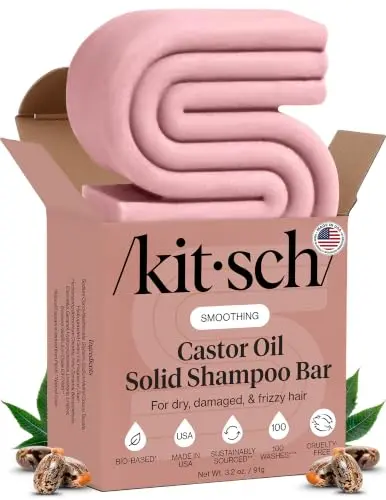
Castor Oil Shampoo Bar – Smoothing Lather With Real Slip
A castor oil bar with a pH-balanced, color-safe formula free of parabens, phthalates, sulfates, and silicones. Made in the USA, and the brand is 4Ocean certified for funding plastic-waste recovery. Not fragrance-free.

Anti-Dandruff Shampoo Bar – Tea Tree and Arnica for Oily Flakes
An Ayurvedic-style anti-dandruff bar built on tea tree oil, leaf powder, and arnica flower extract. Sulfate-free, silicone-free, paraben-free, and plastic-free, with a clarifying lather that rinses to a residue-free finish.
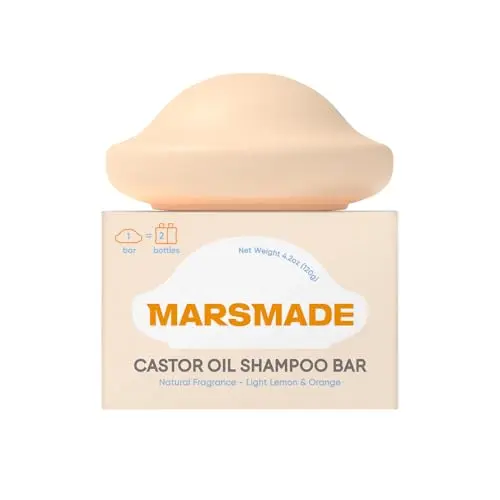
Castor Oil Shampoo Bar – Large Bar, Citrus-Fresh Cleanse
A larger castor oil bar with jojoba oil, moringa oil, and turmeric extract, lightly scented with lemon and orange. Free of parabens, sulfates, silicones, and synthetic scents, and pitched as roughly equivalent to a couple of bottles of liquid shampoo.
How We Evaluated These Solid Shampoo Bars for Sensitive Scalps
We didn’t run patch tests on reactive skin or put these bars through a dermatologist-supervised trial. What we did: cross-referenced 7 solid shampoo bars from 7 distinct brands across five decision axes – surfactant base and pH, fragrance and essential-oil load, scalp actives, bar format and longevity, and hair-type compatibility. We triangulated published ingredient lists, manufacturer specifications, owner feedback where available, and use-case fit for people whose scalps react to fragrance, sulfates, or heavy botanical oils. A bar marketed as natural can still be saponified soap sitting at an alkaline pH, which is exactly what a reactive scalp doesn’t want, so we weighed the cleansing chemistry before anything else.
The scoring framework weighted real-world fit for a sensitive scalp (70%) – how the bar behaves on reactive skin and whether it delivers on its stated purpose – against feature differentiation (30%) – the actives, surfactants, and format choices that separate one option from the next. We mapped every pick against three realistic buyer profiles: the fragrance-triggered scalp that reacts to scent blends, the flaky-and-itchy scalp that needs an active, and the scalp that only objects to sulfates. We have no commercial relationship with any brand featured here, and recommendations track fit and differentiation rather than brand preference. If scent is your trigger, the Gentle Fragrance-Free Shampoo Bar from The Earthling Co. is the cleanest match; if flaking is the problem, the 2% Pyrithione Zinc Shampoo Bar from DermaHarmony does more of the work.
How to Choose the Right Solid Shampoo Bar for Sensitive Scalps
1. What Makes a Solid Shampoo Bar Gentle Enough for Sensitive Scalps?
Two things decide whether a bar calms or aggravates a reactive scalp, and neither is the marketing copy on the box. The first is cleansing chemistry. Bars built on sodium cocoyl isethionate or similar coconut-derived surfactants behave closer to a mild liquid cleanser, lathering without stripping the scalp’s protective oils. Bars built on true soap – saponified oils, often listed as sodium olivate or sodium cocoate – typically sit at an alkaline pH that a sensitive scalp can feel within minutes.
The second is pH. Skin prefers something in the mildly acidic range, and a bar formulated near 5 is doing you a favor that a soap-based bar at 9 or 10 is not. If a brand publishes a pH number, treat that as a genuine signal rather than a marketing nicety. If it doesn’t, the ingredient list usually tells you which camp you’re in.
2. Fragrance-Free vs. Naturally Scented: Reading a Solid Shampoo Bar Label
A bar can call itself natural and still be the wrong choice for a reactive scalp. Essential oils – peppermint, tea tree, citrus, rosemary – show up in solid formats because they smell good and double as selling points, but they’re also among the more frequent irritants for people with contact sensitivity. Fragrance-free is the stricter claim: no added scent at all, including the parfum catch-all that can hide a dozen compounds.
Worth knowing: fragrance-free doesn’t mean odorless. Rice water, shea butter, and botanical extracts carry their own faint scent, and that’s usually fine. If you don’t yet know whether scent is your trigger, patch test on the inner arm or behind the ear for a couple of days before committing your whole scalp to a new bar.
3. Match a Solid Shampoo Bar to Your Type of Sensitive Scalp
Sensitivity isn’t one condition. If your scalp flakes and scales, you want an active: zinc pyrithione at a meaningful percentage, or salicylic acid to loosen buildup. If it’s tight, dry, and itchy without much flaking, an exfoliating bar used weekly alongside a plain gentle bar is often the better structure – that’s the slot the Soothe Shampoo Bar fills. If your scalp reacts to scent alone, skip the actives and go straight to a fragrance-free formula like the Gentle Fragrance-Free Shampoo Bar.
And if your scalp is flaky and oily at the same time, tea tree oil is the traditional lever, though it’s also an essential oil, so reactive skin may push back. Match the bar to the problem you actually have rather than the one with the best packaging.
4. How to Compare Solid Shampoo Bars Across Brands
Cross-brand comparison gets easier once you look at four things. Bar weight tells you roughly how long it lasts – a four-ounce bar and a three-ounce bar are not the same purchase even at similar positioning. Surfactant base tells you how it will feel on a reactive scalp. Listed actives tell you what it will actually do. And color-treated compatibility matters if you dye your hair, since some clarifying bars will pull tone.
Lather is the most overrated spec in this category. A bar that lathers modestly but rinses clean is often the gentler choice; thick foam is a performance signal, not a safety one. If flaking is your core issue, the 2% Pyrithione Zinc Shampoo Bar is the pick here because it lists both its active percentage and its pH.
5. Storage and Care: Making a Solid Shampoo Bar Last
Solid bars fail early for one reason: water. A bar left sitting in a puddle softens, cracks, and disappears at twice the rate. A draining dish that keeps the bar dry between uses is the single best accessory you can buy, and it’s the difference between a bar lasting a couple of months and a bar lasting a couple of weeks.
Let the bar air dry fully before it goes back on the shelf, keep it out of the direct shower spray, and if it gets thin, press the remains into a soap net rather than throwing them out. Hard water makes any bar work harder to lather, which pushes people to use more product than they need – a shower filter helps more than a stronger formula does.
6. What Solid Shampoo Bar Price Tiers Actually Buy
At the budget-friendly end you’ll find solid bars with simple formulas and a single botanical angle, and some of them work perfectly well. Moving into the mid-range typically buys a more thoughtful surfactant base, a stated pH, or a real active ingredient – the things that cost money to formulate. The premium tier is where fragrance-free formulas built around milder cleansers and higher oil loads live, along with certifications and domestic manufacturing.
None of that maps neatly to results. The right question is whether the bar addresses your specific trigger, not whether it sits at the top of the shelf price-wise.
Frequently Asked Questions
1. Are solid shampoo bars safe for a sensitive scalp?
They can be, but the format isn’t automatically gentler than a bottled shampoo. Two variables matter most: the surfactant base and the fragrance load. A bar built on a mild coconut-derived cleanser at a mildly acidic pH, with no added scent, is usually well tolerated. A soap-based bar loaded with essential oils can irritate even when it’s marketed as natural.
Start with a fragrance-free formula and give it a couple of weeks before judging. If your scalp stings, itches, or flakes more within that window, the bar is the problem, not the format.
2. The Earthling Co. vs. Viori Native Essence: which fragrance-free bar should you pick?
Both skip added fragrance, which is the main reason to consider either. The difference is conditioning load. Viori builds on rice water, shea butter, and cocoa butter, so it’s richer and better suited to dry or coarse hair – but that richness can weigh down fine hair. The Gentle Fragrance-Free Shampoo Bar from The Earthling Co. is lighter, with jojoba and apricot oils and a coconut-derived cleanser, and it’s the safer call if your hair is fine or prone to buildup.
3. DermaHarmony vs. HiBAR Soothe: which is better for a flaky, itchy scalp?
They solve flaking differently. DermaHarmony uses 2% pyrithione zinc at a stated pH of 5.1, which makes it the more direct medicated-style option and the one you can use daily. The Soothe Shampoo Bar uses salicylic acid and willow bark to exfoliate, and HiBAR positions it for weekly use alongside a gentler everyday bar.
If your flaking comes with redness and scaling, zinc is the more established route. If it’s mostly dead skin and product buildup, the exfoliating bar makes more sense.
4. Do sulfate-free solid shampoo bars actually lather?
Yes, though differently. Sulfate-free bars rely on coconut-derived surfactants that produce a creamier, denser foam rather than the big airy bubbles sulfates create. That’s normal, and it doesn’t mean the bar isn’t cleaning.
Hard water is the more likely culprit if lather is weak – minerals in the water bind with the cleanser before it reaches your hair. One practical tip: lather the bar in your hands first, then work it into the scalp. It uses less product and gives you a better read on how the formula behaves.
5. How long does a solid shampoo bar last, and how should you store it?
Most bars are pitched as matching a bottle or two of liquid shampoo, and in practice that depends far more on storage than on the bar itself. Keep it on a draining dish out of the shower spray, let it air dry between uses, and it will last far closer to its rated lifespan. Leave it wet on a shelf and it will crack and dissolve early.
Bar size is the simplest predictor of longevity – a large, firm bar outlasts a small soft one, which is why the four-ounce and near-four-ounce options here tend to go the distance.
Final Verdict
For most people with a reactive scalp, the Gentle Fragrance-Free Shampoo Bar from The Earthling Co. is the answer – it removes fragrance from the equation entirely and still cleanses with a creamy, non-stripping lather. If your sensitivity arrives with flakes, the 2% Pyrithione Zinc Shampoo Bar from DermaHarmony gives you a real active at a skin-friendly pH, and the Soothe Shampoo Bar from HiBAR is the better weekly partner if your scalp is dry and itchy rather than oily. And if sulfates were your only problem and scent never bothered you, the Castor Oil Shampoo Bar from Kitsch is the most comfortable everyday wash in the group. Identify your trigger first, then buy the bar built around it.
