
Best Tog Duvets – 2026 Reviews

A duvet that is too warm is just as bad as one that is too thin. TOG ratings exist to solve that Goldilocks problem: the higher the number, the more heat the duvet traps, and the easier it is to match a bed to a sleeper and a season. The catch is that not every duvet listing publishes a tog number, so you have to read warmth labels, fill weight, and shell breathability together.
We compared all-season inserts, lightweight summer duvets, and down-fiber comforters across major brands, then sorted them by how well they deliver usable warmth without turning a bedroom into a sauna. The strongest options were not always the thickest; construction and shell material often mattered more than raw loft.
The best TOG duvet is the one that matches your room, your sleep temperature, and whether you use a duvet cover. We will show which picks run warm, which stay breathable, and where a premium fill actually earns its keep.
Best TOG Duvets – 2026 Reviews
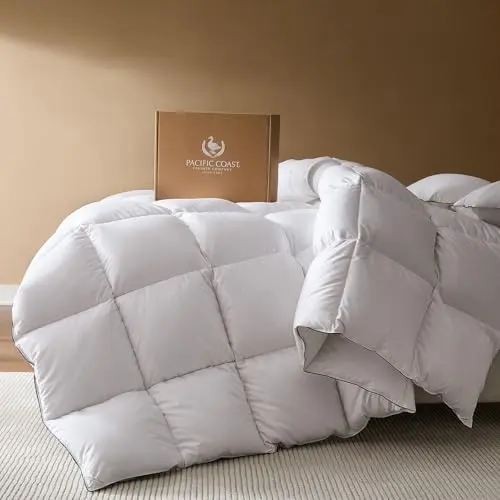
PCF-C2402DFCWGDF – All-Season Goose Down Fiber
A queen-size goose down fiber duvet insert with a 3D baffle-box build, eight anchor loops, and a cotton-poly shell. It is designed for medium all-season warmth and a hotel-style loft, with RDS and OEKO-TEX certifications.

Oversized Queen Down Fiber Comforter – Roomier Baffle-Box Loft
An oversized queen duvet insert measuring 98 x 98 inches, filled with an 80/20 down-fiber and waterfowl feather blend. It has a 100% Egyptian cotton cover, baffle-box construction, eight corner loops, and medium-warmth loft.
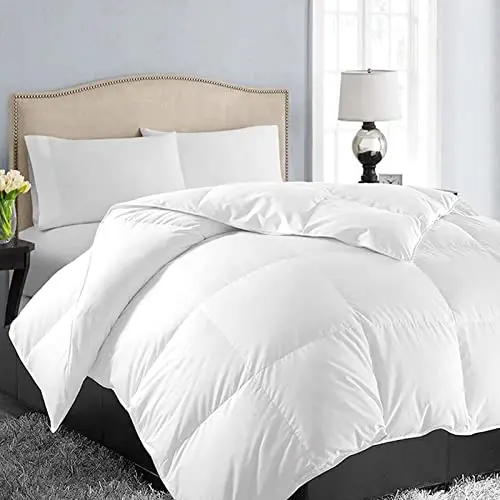
300gsm Queen Duvet Insert – Brushed All-Season Value
A queen-size duvet insert with a brushed polyester cover and a 300gsm whole-piece polyester fill. Box stitching, corner tabs, and machine-washable care make it an easy all-season option.

CK103236 – Cotton-Cover King Duvet Insert
A King-size down-alternative duvet insert with a 100% cotton cover, FreshLoft microfiber fill, and box-stitch construction. It is designed for medium all-season warmth and machine-washable care.
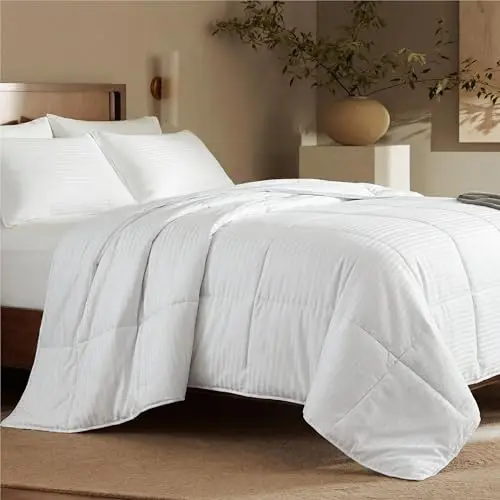
Lightweight Striped Duvet Insert – Hot-Sleeper Queen
A lightweight queen duvet insert with a 150 GSM down-alternative fill and a striped microfiber shell. It has eight corner tabs, box stitching, OEKO-TEX certification, and machine-washable care for warm rooms.

Hotel Collection Feather and Down Fiber – Cotton-Cover Medium Warmth
A Twin-size feather-fiber and down-fiber duvet insert with a 100% cotton cover and sewn-through box construction. It is sized for medium warmth and has corner loops, but the care is dry-clean only.

Pinch-Pleat Down Fiber Comforter – Standalone Black
A queen-size down-fiber and feather-fiber comforter with a black pinch-pleat finish and 100% Egyptian cotton cover. It uses baffle-box construction, eight loops, and RDS and OEKO-TEX certified fill for medium warmth.

Feather and Down Fiber Insert – Cotton-Cover Twin
A Twin-size feather and down fiber duvet insert with a 100% cotton shell, box stitching, and four corner tabs. It is designed for medium warmth and machine-washable care.
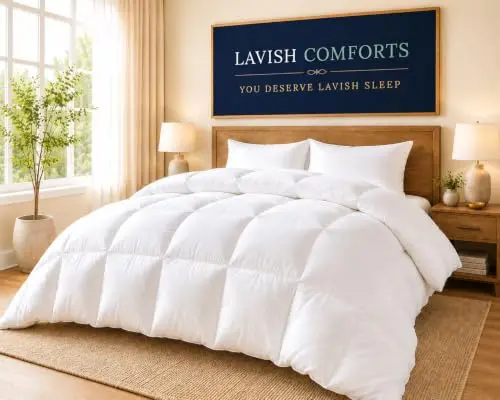
Simply Luxurious All Season Comforter – King Down Alternative
A King-size down-alternative comforter with a soft microfiber shell, hypoallergenic fill, and medium all-season weight. It arrives compressed and is machine washable.

UB0063 Queen Duvet Insert – Budget All-Season Warmth
A queen-size duvet insert with a soft down-alternative fill, box stitching, and corner tabs for securing a cover. It is designed for all-season use, though most sleepers will treat it as a light-to-medium layer rather than a winter-weight duvet.
How We Evaluated These TOG Duvets
We didn’t run thermal-lab tog measurements or sleep trials across seasons. What we did: cross-referenced 10 duvet models from 9 brands across six decision axes – warmth tier, fill material, shell breathability, construction, size and fit, and care requirements. Because not every listing publishes a formal tog rating, we weighed warmth labels, fill weight, and shell breathability as practical proxies for how each duvet will behave in a real bedroom. We treated published warmth tiers as a starting point, not gospel, because fill weight and shell fabric can change how a duvet feels in a 65-degree bedroom versus a drafty one. We triangulated published specifications, feature sets, and owner feedback where available, then mapped each option against common sleeper profiles: hot sleepers, cold-room sleepers, allergy-sensitive buyers, and anyone sizing for an oversized bed.
The scoring framework weighted real-world warmth fit (70%) – how well each duvet matches its stated season and sleeper type – against feature differentiation (30%) – construction quality, certifications, anchor points, and care practicality. We also gave extra weight to care instructions and anchor points, since a duvet that shifts, clumps, or requires constant dry cleaning stops feeling premium fast. We have no commercial relationship with any of the brands featured; recommendations track fit and differentiation, not brand preference. If you want the most polished all-season package, the Pacific Coast PCF-C2402DFCWGDF is our top pick; if you need a roomier oversized fit, the Egyptian Bedding Oversized Queen is the better match.
How to Choose the Right TOG Duvets
1. What TOG Ratings Actually Tell You About a Duvet
TOG is a thermal resistance rating for bedding: the higher the number, the more warmth a duvet traps. A summer-weight duvet and a winter-weight duvet can look similar, but their tog values tell you how much insulation to expect. The catch is that many duvet inserts sold online do not publish a formal tog rating. Read the warmth label and fill weight together rather than chasing a single number.
Use TOG as a starting point, not a guarantee. A medium-warmth duvet can feel different depending on room temperature, bedding layers, and whether you sleep hot or cold. If you run warm, a lower tog or lightweight insert is usually the smarter buy; if your bedroom is drafty, prioritize a higher fill weight or a duvet explicitly labeled for winter.
2. Match Duvet Warmth to Your Bedroom and Sleep Style
Think in three broad tiers: lightweight summer, all-season medium, and winter weight. Hot sleepers often do best with a lightweight down-alternative insert and a breathable cover; cold sleepers should look for a medium or winter-weight duvet with a cotton shell and enough loft to trap air. Couples with different temperature preferences usually land on an all-season duvet plus a breathable cover rather than one heavy comforter.
If you overheat easily, the Bedsure Lightweight Striped Duvet Insert is the pick here because its 150 GSM fill keeps coverage light. If you sleep cold, look for a medium-warmth model with a baffle-box build before you jump to an extra-heavy duvet.
3. Fill Materials: Down Fiber, Feather Fiber, and Down Alternative
Down fiber and feather fiber blends tend to feel lofty and breathable, but they can be noisier and may shed quills over time. Down alternative fills are usually hypoallergenic and easier to wash, though cheaper versions can flatten faster. Neither is automatically better; the right choice depends on whether you prioritize cloud-like loft, allergy-friendly care, or machine-wash simplicity.
4. Construction Details That Keep a Duvet From Clumping
Construction is what keeps a duvet from turning into a lumpy sack. Baffle-box construction uses walls between chambers to let the fill reach full loft; box stitching is simpler and keeps fill from sliding around but can create cooler seams. Corner loops or tabs matter if you use a cover, because they anchor the insert and stop it from bunching at the foot of the bed.
5. Sizing a Duvet: Standard, Oversized, and Cover Fit
Standard queen and king inserts fit conventional covers, but an oversized duvet gives you more drape and less midnight tug-of-war. Check the cover fit before sizing up: an oversized insert needs a cover with matching dimensions, or it will swim inside the shell. For queen beds, an oversized queen is often the better choice if two people share the bed or you like a fuller look.
If you want that roomier drape, the Egyptian Bedding Oversized Queen is the natural match here.
6. Care and Longevity: What a TOG Duvet Really Costs to Own
Care instructions change the real ownership experience. Dry-clean-only down and feather duvets cost more to maintain, while machine-washable down alternatives are easier for households with pets, kids, or allergies. A premium fill can justify itself through loft and breathability, but only if the care routine fits your life.
Frequently Asked Questions
1. What does TOG mean on a duvet, and do these picks list a tog rating?
TOG measures thermal resistance: higher numbers mean a duvet traps more warmth. Most duvet inserts sold online do not publish a formal tog rating, including several picks here. Use the listed warmth tier, fill weight, and shell breathability as practical proxies. A lightweight insert behaves like a lower-tog duvet; an all-season or medium-warmth model sits in the middle; a winter-weight duvet traps the most heat.
2. What is the difference between the Pacific Coast PCF-C2402DFCWGDF and the Egyptian Bedding Oversized Queen?
The Pacific Coast is a 90 x 90 queen with a 3D baffle-box build, eight anchor loops, and a cotton-poly shell; it is the more polished all-season pick for a standard queen. The Egyptian Bedding is a 98 x 98 oversized queen with an 80/20 down-feather blend and Egyptian cotton cover, so it gives more drape and a roomier feel. Choose Pacific Coast for a balanced standard fit; choose Egyptian Bedding if you want an oversized duvet or share a queen bed.
3. Is a TOG duvet worth it compared with a standard comforter?
A TOG-rated duvet is worth it when it helps you match warmth to your bedroom instead of guessing. The rating itself is less important than the combination of fill weight, shell fabric, and construction. A well-built all-season duvet with a breathable shell can work across more months than a cheap heavy comforter. If a listing does not publish tog, judge it by warmth label and loft rather than marketing language.
4. How do the EASELAND 300gsm insert and Bedsure lightweight duvet compare for hot sleepers?
The EASELAND is the warmer all-season option, with a 300gsm whole-piece fill and brushed cover that suits sleepers who want medium warmth without a heavy duvet. The Bedsure is the lighter, more breathable pick, built around a 150 GSM fill and a striped shell for warm bedrooms. If you sleep hot or live in a mild climate, the Bedsure Lightweight Striped Duvet Insert is the better match; if you want one duvet for most of the year, EASELAND makes more sense.
5. Should you size up to an oversized duvet for a queen bed?
Size up if you want more drape, less cover-stealing, or a fuller hotel-style look. An oversized queen duvet usually measures closer to 98 x 98 inches, which gives more drop on the sides and foot. The tradeoff is that you need an oversized cover to match, and a standard cover will leave the insert swimming. If your bed is against a wall or you prefer a tidy, tailored fit, stick with a standard queen duvet.
Final Verdict
For most sleepers, the Pacific Coast PCF-C2402DFCWGDF is the best TOG duvet in this lineup because it balances all-season warmth, a 3D baffle-box build, and a breathable cotton-blend shell without feeling heavy. It is the one we would recommend first to anyone who wants a polished medium-warmth duvet.
If you want the best value, the EASELAND 300gsm Queen Duvet Insert delivers soft, medium-weight comfort for far less than the premium picks. Hot sleepers should go with the Bedsure Lightweight Striped Duvet Insert, which keeps coverage breathable in warm rooms. And if your queen bed needs more drape, the Egyptian Bedding Oversized Queen is the roomier choice.
