
Best Water For Coffee Maker – 2026 Reviews

Your coffee maker does more than heat water, but water is still most of what lands in the cup. The wrong bottled water can flatten brightness, leave a faint mineral film, or push you into descaling more often than you’d like. The right one gives the coffee a clean canvas without stripping away the character of the bean.
For a coffee maker, the useful split is between neutral, balanced water and water with a strong mineral or alkaline signature. pH matters, but so does the mineral load: very soft water can taste hollow, while heavily mineral water can mute acidity and leave scale behind. We looked across bottled-water brands with that coffee-maker lens, comparing source, pH, electrolyte profile, and how each one fits everyday brewing rather than just drinking straight from the bottle.
This guide is built for people filling a drip machine, pour-over kettle, or single-serve reservoir. You’ll see where a balanced spring or artesian water earns its place, when purified water is the smarter budget move, and why a high-pH bottle isn’t automatically the best choice for coffee.
Best Water for Coffee Maker – 2026 Reviews
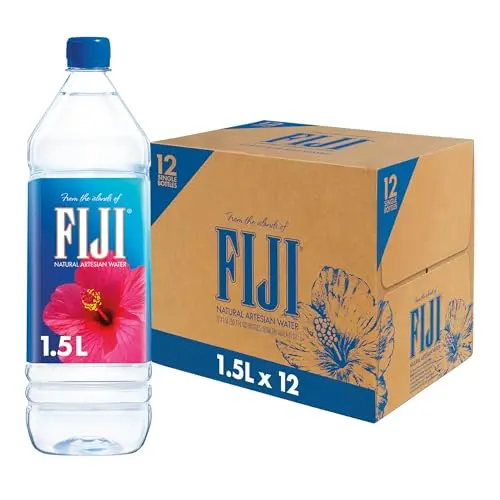
Natural Artesian Water 1.5L – Soft, Balanced Brew Water
FIJI’s 1.5L bottles deliver natural artesian water with a balanced 7.7 pH and naturally occurring electrolytes. The soft, smooth profile is a practical fit for coffee makers where you want a clean base without an aggressive mineral edge. The larger bottle size also means fewer refill interruptions when you’re filling a reservoir.
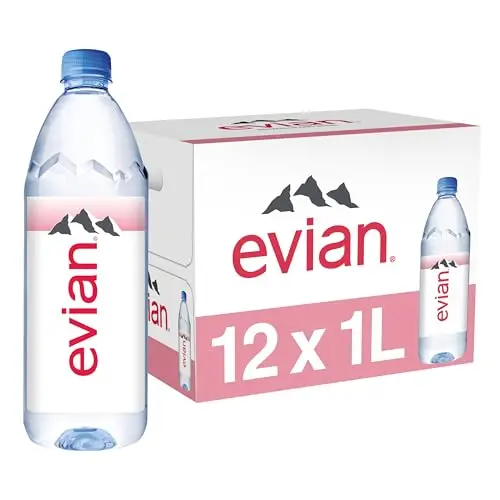
Natural Spring Water 1L – Balanced Minerals for Brewing
evian’s 1L bottles bring natural spring water with a balanced mineral composition and a neutrally balanced 7.2 pH. The smooth, distinctive taste works well as a brewing base, and the naturally occurring electrolytes give it more character than stripped-down purified water. It’s a premium option for coffee makers where mineral balance matters.
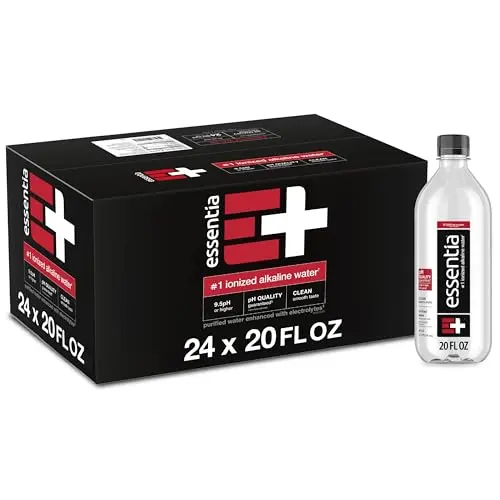
Ionized Alkaline Water 20oz – Smooth High-pH Hydration
Essentia is 99.9% purified ionized alkaline water with a 9.5+ pH and a proprietary electrolyte blend. The clean, smooth taste is appealing straight from the bottle, but the high pH makes it a more opinionated choice for coffee. It’s best for buyers who already prefer alkaline water and want to experiment with how it brews.
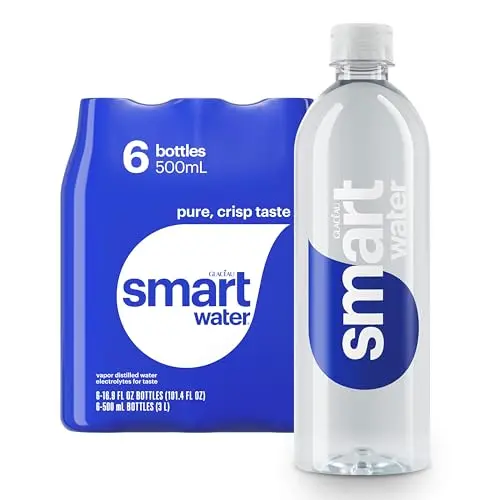
Vapor Distilled Water 16.9oz – Crisp Purified Base
smartwater is vapor-distilled for a crisp, pure base, then enhanced with electrolytes like potassium, magnesium, and calcium. The tailored pH and clean taste make it a flexible bottled water for everyday use. For coffee makers, it’s a purified option with a bit more flavor structure than plain distilled water.
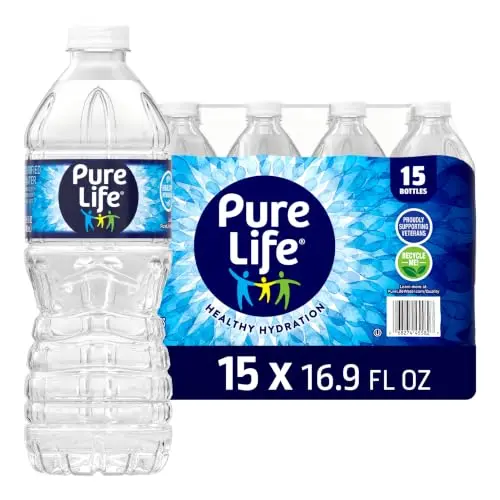
Purified Water 16.9oz – Mineral-Enhanced Everyday Pick
Pure Life is purified water enhanced with minerals for a crisp taste, sold in a practical 16.9 fl oz bottle size. It’s a straightforward, budget-friendly choice for filling a coffee maker reservoir without overthinking the water. The bottles are recyclable, though local recycling rules vary.
How We Evaluated These Water for Coffee Maker
We didn’t brew side-by-side pots in a test kitchen or run scale-buildup trials across different coffee makers. What we did: cross-referenced five bottled-water options from five distinct brands across five decision axes – pH, mineral balance, electrolyte profile, source and purification method, and practical fit for a coffee maker reservoir. We triangulated published specifications, feature claims, owner feedback where available, and the everyday realities of filling a drip machine, pour-over kettle, or single-serve brewer. We mapped each bottle to those scenarios and weighed bottle size and packaging turnover, because reservoir filling is a repeat task rather than a one-off.
The scoring framework weighted real-world fit for coffee brewing (70%) – how well each water supports a clean, balanced cup without obvious scale or flavor penalties – against feature differentiation (30%) – source transparency, pH positioning, and electrolyte profile. We did not treat high pH as automatically better; for coffee, neutral balance usually matters more than alkaline marketing. We have no commercial relationship with any of the brands featured; recommendations track fit and differentiation, not brand preference. If you want the most balanced starting point, the FIJI Natural Artesian Water is the one we’d try first; if you prefer a spring water with a more classic mineral profile, evian Natural Spring Water is the alternate.
How to Choose the Right Water for Coffee Maker
1. What Coffee Maker Water Actually Does to Flavor
Water is the largest ingredient in every cup, so its mineral balance and pH shape what you taste before the coffee solids even land. A clean, neutral base lets acidity and sweetness come through; a heavy mineral load can mute both and leave a chalky finish. Chlorine and odor are the other obvious offenders, though most bottled waters avoid that problem. If your tap water tastes fine but your coffee tastes dull, the issue is often mineral load rather than coffee quality.
2. Mineral Balance and pH: The Coffee Maker Water Decision
For coffee, you want water that is neither stripped bare nor loaded with minerals. Neutral pH is a useful starting point, and moderate mineral content helps extraction without pushing scale. Alkaline water can be pleasant to drink but may soften the bright edges of a light roast. If you want a balanced, low-drama place to start, the FIJI Natural Artesian Water is the pick here; its 7.7 pH and soft profile keep the cup clean. Very soft or distilled water can taste hollow, so don’t assume purer is always better.
3. When Distilled or Purified Water Makes Sense for a Coffee Maker
Vapor distillation and purified water remove many minerals and off-notes, which can be helpful if your coffee maker manual calls for low-mineral water. But some purified brands add electrolytes for taste, so the result isn’t the same as distilled water. A mineral-enhanced purified water like Pure Life can be a practical everyday filler, while smartwater’s vapor-distilled base with added electrolytes sits in a similar lane. The tradeoff is predictability: if you’re chasing a specific coffee profile, a mineral blend you can’t see in detail is harder to tune around.
4. FIJI vs Evian for Coffee Maker Water: Which Bottled Water Fits?
FIJI and evian both sit in the premium natural-water tier, but they don’t behave the same in the reservoir. FIJI leans soft and smooth, with a 7.7 pH and naturally occurring electrolytes; it’s the friendlier choice for drip coffee where you want the water to stay out of the way. evian has a balanced mineral composition and a 7.2 pH, so it can bring a little more mineral crispness to the cup. If you brew light-roast pour-over and want clarity, evian Natural Spring Water is the better fit; if you want softness and a neutral base, stay with FIJI.
5. Scale, Maintenance, and Bottled Water for Coffee Makers
Bottled water is not automatically scale-free. Any water with mineral content can leave deposits over time, especially in a machine that runs hot and sits wet. Follow your coffee maker manual for descaling, and don’t skip it just because you’re using bottled water. If your manual specifically recommends distilled water, follow that guidance rather than assuming a spring water is safer. The practical move is to choose a water that tastes clean, then keep up with routine descaling.
6. Budget, Mid-Range, and Premium Bottled Water for Coffee
At the budget-friendly end, purified water with added minerals gives you a consistent, low-cost reservoir filler; Pure Life is the obvious example in this lineup. The mid-range lane includes smartwater’s vapor-distilled base and Essentia’s ionized alkaline water, each with a different taste philosophy. Premium natural waters like FIJI and evian cost more per ounce but give you a clearer source story and a more distinctive mouthfeel. For daily coffee, the sweet spot is usually a balanced mid-range or premium water you’re happy to drink straight, not the cheapest bottle on the shelf.
Frequently Asked Questions
1. Is bottled water safe to use in a coffee maker?
Yes, as long as you follow the coffee maker manual and keep up with routine descaling. Bottled water can still leave mineral scale over time, so the fact that it came from a bottle doesn’t make maintenance optional. If your manual names distilled water, use that guidance instead of guessing.
2. What's the difference between FIJI and Evian for coffee maker water?
FIJI is the softer, smoother option, with a 7.7 pH and naturally occurring electrolytes that keep the cup clean. evian has a balanced mineral composition and a 7.2 pH, so it can add a touch more mineral crispness. For drip coffee, FIJI is the easier default; for light-roast pour-over where you want clarity, evian is the more interesting spring water.
3. How does Essentia alkaline water compare with smartwater for coffee?
Essentia is built around 9.5+ pH ionized water, so it tastes smooth but can soften the bright edges of coffee. smartwater uses vapor distillation plus added electrolytes, giving you a crisper purified base. Neither is automatically better for coffee; choose Essentia if you already like alkaline water, and smartwater if you want a clean purified starting point.
4. Should I use purified water like Pure Life in a coffee maker?
Pure Life is a reasonable budget-friendly choice because it is purified and mineral-enhanced for a crisp taste. It won’t give you the source transparency of a premium spring water, but it is easy to keep on hand for daily brewing. If you want the practical reservoir filler, the Pure Life Purified Water is the pick.
5. Does high-pH water affect coffee maker performance?
High-pH water can affect extraction and flavor brightness, though the effect depends on the coffee and recipe. It is not a maintenance shortcut; you still need routine descaling. If you are dialing in a light roast, start with neutral water and change one variable at a time.
Final Verdict
For most coffee makers, the FIJI Natural Artesian Water is the bottled-water pick I’d start with. Its balanced 7.7 pH and soft, smooth profile give coffee a clean base without the hollow taste of ultra-pure water, and the natural electrolytes are a sensible middle ground. If you want a spring water with a bit more mineral crispness, evian Natural Spring Water is the alternate to try. And if you’re filling a reservoir every day and want to keep costs sane, Pure Life Purified Water is the budget-friendly workhorse. Skip the high-pH bottle unless you’ve specifically dialed in a recipe for it; alkaline water can blur the brightness that makes a good cup interesting. Start with balance, then adjust.
