
Best Water For Ice Maker – 2026 Reviews

A glass of iced tea is only as good as the ice floating in it. If your ice maker is fed by water with a dull taste or a plasticky edge, every drink inherits it. That’s why the water you choose for an ice maker deserves the same attention you’d give to the coffee beans or tea leaves going into the glass.
For most homes, the decision comes down to two things: the water itself and how it gets into the machine. Bottled water can be a simple fix for taste and convenience, especially if your tap water is hard, chlorinated, or inconsistent. A dedicated water line kit matters when you’re hooking up a fridge, ice maker, or reverse-osmosis branch and want clean-tasting water without leaks.
We looked across major brands at both sides of that equation – drinking water that performs well in ice and the supply lines that feed an ice maker. The picks below are organized around real-world fit, not brand loyalty, so you can choose the setup that matches your kitchen.
Best Water for Ice Maker – 2026 Reviews
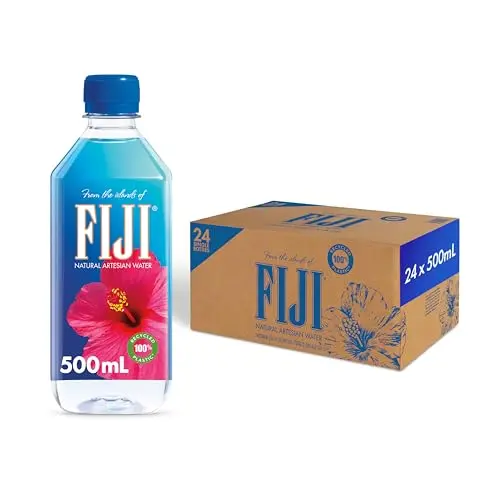
Artesian Bottled Water 500 mL – Smooth-Tasting Ice Base
FIJI’s artesian water is bottled from a natural aquifer and known for its soft, smooth taste. The 500 mL bottles are easy to chill and pour into ice maker reservoirs or trays, and the 24-pack keeps a small supply ready.
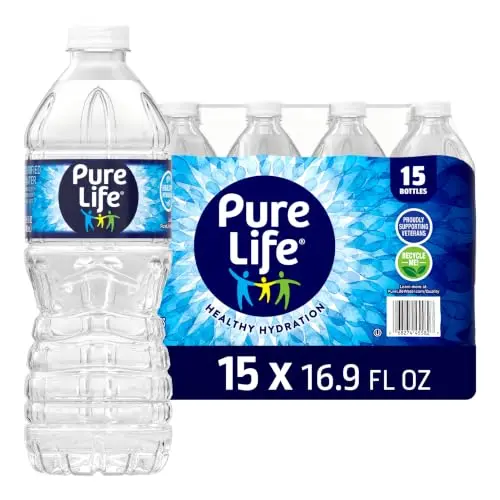
Purified Bottled Water 16.9 oz – Crisp Everyday Ice Base
Pure Life starts with purified water and adds minerals for a crisp taste. The 16.9 oz bottles are sized for everyday use, and the 15-pack works well for smaller households, second fridges, or guest ice.
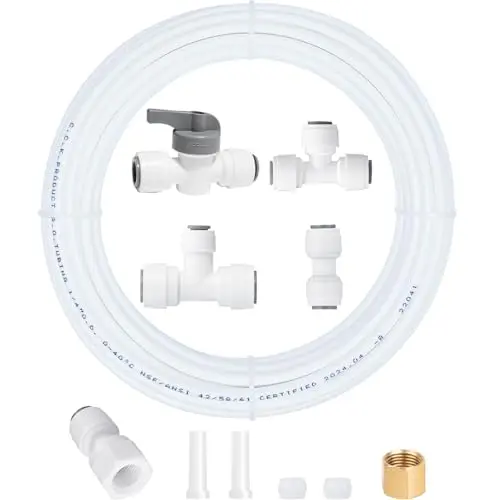
Ice Maker Water Line Kit 25 ft – Quick-Connect RO Hookup
A complete 25-foot water line kit for connecting a fridge, ice maker, or RO branch. It includes quick-connect fittings, tees, and a shutoff valve, with NSF-tested, BPA-free materials.
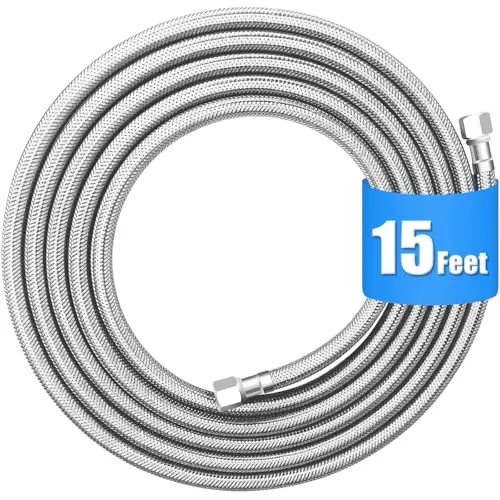
Braided Refrigerator Water Line 15 ft – Durable PEX Ice Maker Feed
A 15-foot stainless-steel braided line with a food-grade PEX inner tube and 1/4-inch compression fittings on both ends. It’s built for fridge, ice maker, and RO feed runs where durability matters.
How We Evaluated These Water for Ice Maker Options
We did not run lab water-quality panels or install every line in a controlled plumbing rig. What we did: cross-referenced 4 water and ice maker line options from 4 distinct brands across 5 decision axes – water source and treatment, taste profile, mineral content, line compatibility, and installation durability. We triangulated published specifications, feature sets, owner feedback where available, and use-case fit for someone actually filling an ice maker rather than just buying bottled water for the fridge. We mapped each pick to the two jobs this category covers: water that tastes good as ice and hardware that delivers it without leaks. That meant weighing taste as it would show up in a glass, not just in the bottle, and checking whether fittings match common fridge, ice maker, and RO setups. We also considered the practical side of ownership: storage footprint, packaging turnover, filter and line maintenance, and whether a product solves a taste problem or a plumbing problem.
The scoring framework weighted real-world fit (70%) – how well each option serves an ice maker or fridge setup – against feature differentiation (30%) – unique advantages like artesian sourcing, quick-connect fittings, or a braided line. We have no commercial relationship with any brand here; recommendations track fit and differentiation, not brand preference. If you want the best-tasting ice for serving, the FIJI Artesian Bottled Water is the taste-first pick. If everyday value matters more, the Pure Life Purified Bottled Water is the sensible baseline.
How to Choose the Right Water for Your Ice Maker
1. What Water Works Best in an Ice Maker?
The best starting point is water you’d happily drink on its own. Taste and odor carry through to ice, and mineral content affects both flavor and how the cubes look over time. Purified water tends to be neutral and predictable, while artesian or mineral-rich water can add a rounder mouthfeel. For a refrigerator ice maker, avoid water with a strong chlorine or sulfur note; no ice maker filter will fully hide a bad source.
2. Taste, Clarity, and Mineral Content in Ice Maker Water
Mineral content is the variable most people overlook. Some minerals can contribute to cloudy ice, while very low-mineral water can taste flat. The practical middle ground is water with a clean taste and modest minerals – not so stripped that it tastes empty, not so heavy that it leaves a film. If you’re serving ice in whiskey or iced coffee, soft, smooth water is usually the more versatile choice. If taste is the priority, the FIJI Artesian Bottled Water is the taste-first pick.
3. When an Ice Maker Water Line Kit Makes Sense
A water line kit is the right purchase when your ice maker or fridge needs a dedicated feed from a shutoff valve, under-sink filter, or RO system. It’s less about the water itself and more about delivering it cleanly. Kits make sense for new installations, replacements for brittle old tubing, or branching a line to a second appliance. If you already have a working line and only want better-tasting water, start with the water and filtration before replacing hardware. For a full hookup with tees and a valve, the PURENAT Ice Maker Water Line Kit 25 ft is the straightforward pick.
4. Compatibility and Installation for Ice Maker Water Lines
Check the fitting size before you buy: many fridge and ice maker connections use 1/4-inch compression or push-to-connect fittings, while some filters and RO systems use 3/8-inch outlets. A kit with both tee sizes saves a trip to the hardware store. Braided stainless lines handle tight corners and damp spaces better than basic tubing, but compression fittings require a clean, square cut and careful tightening. Quick-connect fittings are friendlier for DIY installs, provided the tubing is seated fully. If you want a more durable braided line for a simple feed, the HAOCHEN Braided Refrigerator Water Line 15 ft is the sturdier choice.
5. Budget vs. Premium Water for Ice Makers
You don’t need a premium bottle for every batch of ice. Budget-friendly water is the sensible baseline for high-volume use, especially if the ice is mostly for chilling drinks. Premium artesian water earns its place when the ice is part of the experience – cocktails, iced coffee, or a dinner table where the water’s taste is noticeable. The smarter split is often budget-friendly water for daily ice and a better bottle for serving. For daily ice, Pure Life Purified Bottled Water is the value pick.
6. Maintenance and Everyday Ice Maker Water Habits
Replace water filters on the schedule your fridge or RO system recommends, and flush new lines before making ice. Old tubing can impart a plastic taste, especially if it sat dry for years. Keep the ice bin clean and empty it if ice sits unused for long periods. If cubes start tasting off, change the water source or filter before assuming the ice maker itself is failing.
Frequently Asked Questions
1. What type of water should I put in my ice maker?
Start with water that tastes clean on its own. Purified water is a predictable baseline, while mineral-rich artesian water can add a softer mouthfeel. Avoid water with a strong chlorine, sulfur, or plastic note, since those flaws can carry into the ice. If your tap water is inconsistent, bottled water is a simple short-term fix.
2. Is FIJI or Pure Life better for ice maker water?
They serve different buyers. FIJI is the taste-first choice, with a soft, smooth profile and naturally occurring electrolytes that make it pleasant for serving ice in coffee or cocktails. Pure Life is the practical everyday pick, with a crisp, clean taste and a budget-friendly positioning that suits high-volume ice making. If you want the better everyday value, go with Pure Life Purified Bottled Water; if ice is part of the presentation, FIJI is the splurge.
3. Do I need a water line kit for an ice maker?
Only if your ice maker or fridge needs a feed from a shutoff valve, under-sink filter, or RO system. Many refrigerators include a basic line, but replacements are common when the old tubing is brittle or too short. A kit becomes worthwhile when you need tees, a valve, or push-to-connect fittings in one package. If the existing line works and the water tastes fine, spend on filtration instead.
4. What's the difference between the PURENAT and HAOCHEN ice maker water lines?
The PURENAT kit is the fuller installation package: 25 feet of tubing, quick-connect fittings, two tee options, and a shutoff valve. The HAOCHEN line is a 15-foot braided stainless hose with a food-grade PEX inner tube and 1/4-inch compression fittings on both ends. Choose PURENAT Ice Maker Water Line Kit 25 ft for a complete RO or under-sink branch; choose HAOCHEN for a durable simple feed.
5. Can I use bottled water in a refrigerator ice maker?
Some freestanding ice makers and countertop models have reservoirs you can fill with bottled water; most refrigerator ice makers are plumbed to a water line and don’t have a manual fill option. Check your model before buying cases of water. If you have a plumbed fridge, a water line kit and a filter are usually the more practical route than adapting bottled water.
Final Verdict
For most buyers, FIJI Artesian Bottled Water is the answer when ice quality is the priority – it brings a soft, smooth taste and a balanced mineral profile that flatter iced coffee, cocktails, and everyday drinking. If you’re making ice in volume and want to keep costs sensible, Pure Life Purified Bottled Water is the value pick, with a crisp, clean profile that works well for basic ice and guest use. For a plumbed setup, the PURENAT Ice Maker Water Line Kit 25 ft is the simplest all-in-one hookup, while the HAOCHEN Braided Refrigerator Water Line 15 ft is the durable line for a straightforward feed. Start with the water you like, then choose the line that fits your kitchen.
