
Best Wearable Alarm Clocks – 2026 Reviews

A phone alarm is a small act of aggression against everyone in the room. It also trains you to hit snooze without opening your eyes. That is why wearable alarm clocks have a real niche: they put the alert on your wrist, close enough to feel and quiet enough to keep the room asleep.
The tradeoff is that wearable has to mean wearable at night, not just on a spec sheet. A useful model has to stay comfortable for hours, survive a charger gap, and wake you without requiring you to find a phone in the dark. Wake method matters just as much. A gentle vibration suits light sleepers; heavy sleepers often need an escalation plan, whether that is a stronger pulse, a follow-up task, or a shock pulse they can adjust.
This guide compares the main paths through the category – silent vibration, app-controlled routines, touchscreen shock alarms, and premium habit-tracking wearables – so you can choose the one that matches your sleep style rather than the loudest marketing claim.
Best Wearable Alarm Clocks – 2026 Reviews
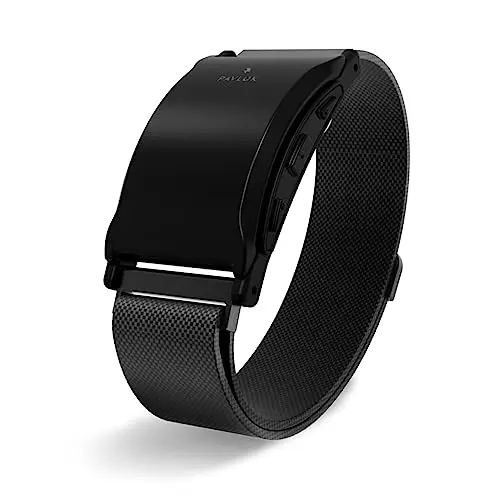
Pavlok 3 Deluxe – Silent Alarm Habit Wearable
A premium silent-alarm wearable for shared bedrooms and heavy sleepers, with chime, vibration, adjustable zap, habit tools, sleep and step tracking, and a stainless steel band.
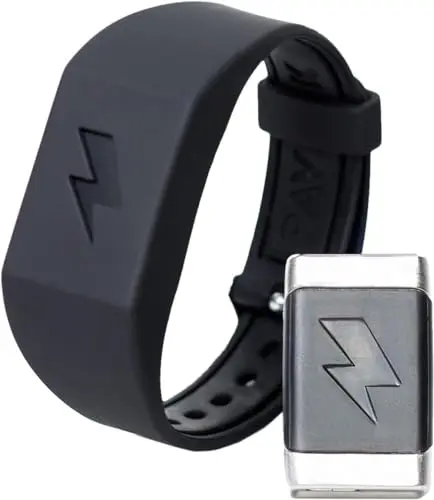
Shock Clock 2 – Escalating Wake for Heavy Sleepers
A single-purpose wearable alarm built around escalating vibrations, beeps, and gentle zaps, with follow-up tasks that force you out of bed.

Fitzap 3 – Touchscreen Shock Alarm
A touchscreen shock alarm for heavy sleepers, with on-watch settings, adjustable shock pulse, shake-to-shock habit tool, and long battery life.
How We Evaluated These Wearable Alarm Clocks
We didn’t run lab battery-drain tests or overnight sleep studies. What we did: cross-referenced three wearable alarm models from two distinct brands across six decision axes – wake method, comfort, app dependence, battery and charging, durability signals, and fit for shared sleeping spaces. We triangulated published specifications, feature sets, owner feedback where available, and use-case fit for heavy sleepers, couples, and anyone trying to get off a phone alarm. We also mapped each model’s real wake routine against the way people actually use a wearable at night: strap it on, set it once, and trust it before work or an early flight. We weighted signals by how directly they affect an actual morning wake-up, not by marketing claims. Comfort judgments are based on published band materials and dimensions rather than all-night wear trials, and we did not assess medical sleep quality or diagnose sleep disorders.
The scoring framework weighted real-world fit (70%) – how reliably the wake method suits its stated sleeper and sleeping situation – against feature differentiation (30%) – unique hardware, app tools, and use-case specificity. We have no commercial relationship with any of the brands featured; recommendations track fit and differentiation, not brand preference. If you want the most complete silent alarm wearable, the Pavlok 3 Deluxe is the place to start; if you need a more forceful anti-snooze routine, the Shock Clock 2 is the specialist pick.
How to Choose the Right Wearable Alarm Clocks
1. What Makes a Wearable Alarm Clock Comfortable Enough for Sleep
Comfort is the first hurdle. A wearable alarm clock that feels fine for a workout can become annoying by 3 a.m. Look at band material, weight, and clasp style; soft silicone and nylon tend to suit sleep better than bulky metal links, though a metal band can feel more like a normal watch during the day. All-night comfort also depends on profile: a slim watch face sits better under a pillow or blanket than a thick puck. And because these devices live on your wrist, charging routine matters. A multi-day battery reduces the chance you go to bed with a dead alarm, while water resistance helps with sweat and handwashing.
2. Silent Wake Methods: Vibration, Chime, and Shock Pulse
Most wearable alarm clocks wake you through vibration-first alerts, then add a chime or a stronger pulse if you need it. Vibration is the quietest option and the easiest to live with in a shared bed. A silent chime can help light sleepers who want an audible backup, while an adjustable shock pulse is for people who sleep through both. The key is control: you want a device that lets you choose the sequence and intensity rather than one fixed jolt. If a quiet, app-managed wake-up is the priority, the Pavlok 3 Deluxe is the most complete pick in this lineup.
3. Heavy Sleepers Need an Escalation Plan, Not Just a Louder Alarm
Heavy sleepers usually need more than a louder alarm. A useful escalating wake sequence starts gentle and adds pressure, so you are not jolted awake at full intensity every morning. The strongest designs add a follow-up task that forces you upright, such as movement, a puzzle, or a scan in another room. Zap intensity should be adjustable, because the right level for one sleeper can feel like too much for another. For the most forceful anti-snooze routine, the Shock Clock 2 is the specialist choice.
4. App Dependence and On-Device Controls
Some wearable alarm clocks are app-controlled, while others let you set everything on the device. App control usually means deeper customization and habit tools, but it adds dependence on Bluetooth pairing and a charged phone. Touchscreen controls are convenient for quick changes, especially if you do not want to open an app before bed. Think about setup patience: an app-heavy device can be great once configured, but it is a poor fit if you want a simple strap-and-go alarm.
5. Budget, Mid-Range, and Premium Wearable Alarm Clocks
The category splits into three rough tiers. Budget-friendly models usually cover the basics – a shock pulse or vibration alarm and a simple screen – but may compromise on comfort, app polish, or long-term durability. Mid-range options add better materials, more wake methods, and stronger app support. The premium tier brings habit tracking, water resistance, and nicer bands, and often a clearer replacement warranty. If you are testing whether a shock alarm suits you, the Fitzap 3 is the budget route; if you want the most complete daily wearable, spend up to the Pavlok 3 Deluxe.
Frequently Asked Questions
1. What's the difference between the Pavlok 3 Deluxe and the Shock Clock 2?
The Pavlok 3 Deluxe is the more complete everyday wearable: it adds a stainless steel band, step and sleep tracking, and IP67 water resistance to the same silent chime, vibration, and adjustable zap wake-up formula. The Shock Clock 2 is more of a single-purpose heavy-sleeper tool, with a stronger emphasis on follow-up wake tasks like jumping jacks or a QR scan. Choose the Pavlok 3 for all-day wear and habit tools; choose the Shock Clock 2 if your main problem is sleeping through everything.
2. How does the Fitzap 3 compare with the Pavlok 3 Deluxe for heavy sleepers?
The Fitzap 3 is the budget-friendly shock alarm, with a 1.69-inch touchscreen, on-watch settings, and a shake-to-shock habit tool. It is a simpler device and less proven on long-term durability. The Pavlok 3 Deluxe costs more but adds a premium band, sleep and step tracking, and water resistance. For heavy sleepers who want the lowest entry point, the Fitzap 3 is worth a look; for a more polished daily wearable, the Pavlok 3 Deluxe is the safer bet.
3. Are wearable alarm clocks comfortable enough for all-night wear?
Comfort depends on band material, weight, and how tightly you wear the device. Soft silicone or nylon bands tend to work best for sleep, while metal bands feel more like a normal watch but can be less forgiving under a pillow. A slim profile and a secure but loose clasp matter more than screen size at night. If you are sensitive to wrist pressure, look for a lightweight build and avoid a tight fit.
4. Can a wearable alarm clock wake one person without waking the room?
Yes, that is the main reason to choose one. A vibration-first alarm or silent chime keeps the alert on your wrist instead of broadcasting it from a phone speaker. For couples, the best setup is a wearable with adjustable intensity so the person wearing it gets enough of a jolt while the other person stays asleep. Shock pulse devices can be especially useful here, but the wearer has to be comfortable with the sensation.
Final Verdict
For most people, the Pavlok 3 Deluxe is the wearable alarm clock to buy. It covers the whole job – silent chime, vibration, adjustable zap, habit tools, and a more watch-like build – without making you choose between a sleep gadget and an everyday tracker. If you are a genuinely heavy sleeper who needs a more aggressive anti-snooze routine, the Shock Clock 2 is the specialist pick, provided you can live with more setup and some reliability risk. And if you want to try a shock alarm at the lowest entry point, the Fitzap 3 is the budget-friendly route, though it gives up polish and proven durability. Start with fit and wake method, then choose the tier that matches how much you want the device to do beyond waking you up.
