
Best Weighted Blankets For Couples – 2026 Reviews

Sharing a bed with a partner is a negotiation long before a weighted blanket enters the picture. One person wants the room cold; the other wants to be buried. One likes a firm hug; the other feels pinned by anything heavier than a duvet. A couples weighted blanket has to solve for both people at once, which is why size and temperature control matter more here than in a solo blanket.
Most weighted blankets are sized to concentrate weight on one body, not to stretch across two. A standard 60×80 queen blanket can work for cuddling, but it often leaves one partner uncovered or stuck in a cold gap. A true king-size option gives each person more weighted real estate, while a lighter queen-size blanket can still make sense if you and your partner prefer separate blankets or a shared throw.
The better couples blankets also account for different sleep temperatures. Cooling microfiber, reversible fabrics, and breathable shells help one person stay comfortable without freezing the other. We looked across the market for options that balance coverage, weight distribution, and care, so you can pick the setup that fits your bed and your sleep styles rather than forcing one blanket to do everything.
Best Weighted Blankets for Couples – 2026 Reviews
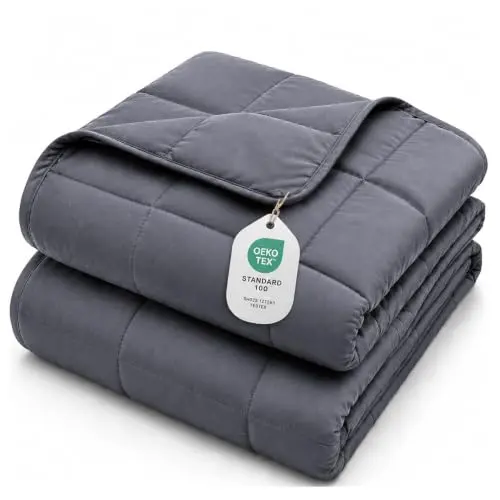
King Size 88×104 – Maximum Coverage for Two
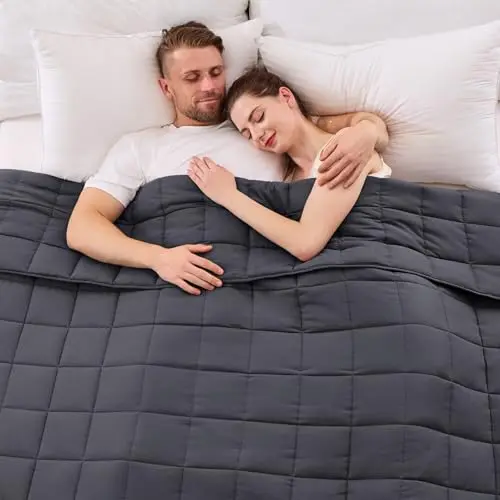
King Size 80×87 – Couple-Focused Coverage
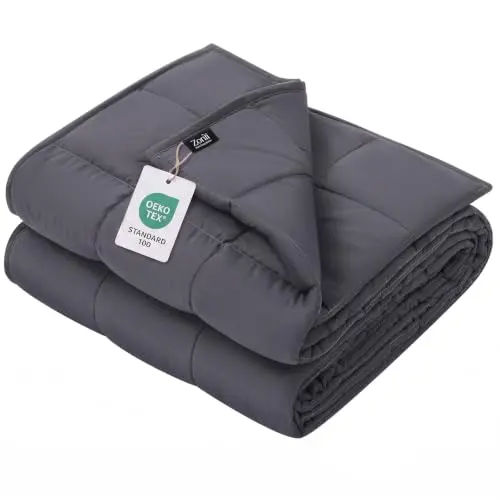
60×80 20lbs – Budget-Friendly Weighted Comfort
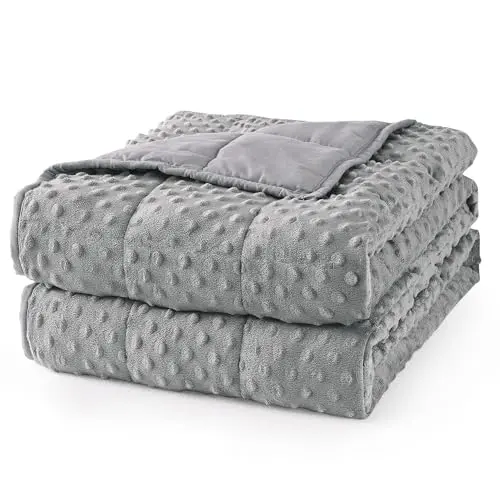
Cooling Queen 60×80 – Hot Sleeper Relief
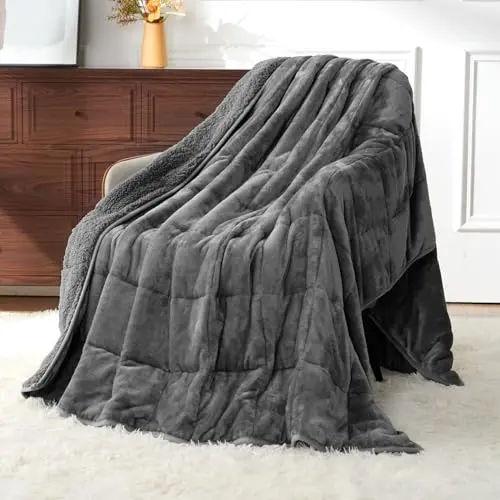
Sherpa Fleece 60×80 – Cozy Shared Throw
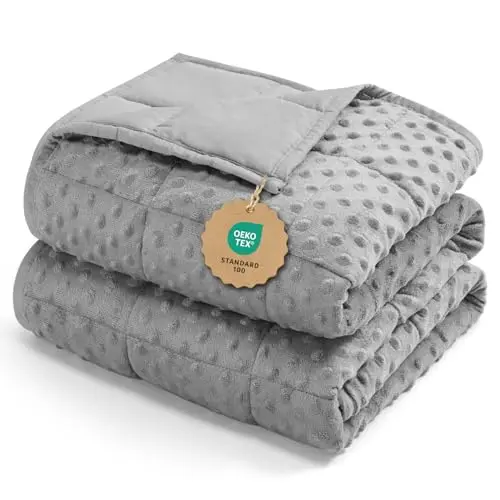
Reversible Minky Dot 60×80 – All-Season Softness

3D Jacquard Sherpa 60×80 – Warm Textured Throw
How We Evaluated These Weighted Blankets for Couples
We didn’t sleep under each of these blankets for a full season or run temperature and wash-cycle lab tests. What we did: cross-referenced seven weighted blanket models from seven distinct brands across six decision axes – size and coverage, weight distribution, fabric breathability, warmth, care requirements, and edge drape. We triangulated published specifications, feature sets, owner feedback where available, and use-case fit for couples sharing a bed. Couples are a tougher test than solo sleepers because one blanket has to span two bodies, two sleep temperatures, and two tolerance levels for weight. A blanket that feels perfect on one person can pin the other in place or leave a cold gap down the middle. We mapped each model against realistic couple setups: a queen bed with shared coverage, a king bed with partial drape, and separate sides for couples who prefer individual blankets. We also weighed care instructions against the reality of washing a heavy blanket, since a shared blanket gets more use and more laundry pressure.
The scoring framework weighted real-world fit for couples (70%) – how well each blanket covers two sleepers, distributes weight, and suits shared temperature preferences – against feature differentiation (30%) – unique fabric, washability, and design advantages. We have no commercial relationship with any brand here; recommendations track fit and differentiation, not brand preference. If you want maximum coverage, the L’AGRATY King Size is the pick; if you want a true couple-focused layout with easier care, the Yescool King Size is the better match.
How to Choose the Right Weighted Blankets for Couples
1. Why Size and Coverage Matter Most for Couples
Weighted blankets are sized to sit on top of the mattress, not to drape like a comforter. That’s why a 60×80 queen size can feel small for two adults: it covers the middle of the bed but leaves little room for both people to get the full weighted effect. A 80×87 or 88×104 king size gives each sleeper more real estate, though it still won’t hang over the edges like a traditional bedspread. The key is to think about concentrated weight and shared coverage rather than overall bed styling. If you want the largest shared footprint in this lineup, the L’AGRATY King Size is the pick.
2. How to Choose a Weighted Blanket for Couples Without Fighting Over the Covers
Start with total blanket weight rather than the usual solo weight guide. A 15-pound blanket split across two people feels much lighter than 15 pounds on one person, while a 20-pound blanket can feel heavy if one partner is smaller or prefers a gentler touch. If your pressure preferences are far apart, individual blankets may work better than one shared blanket. If you want one dedicated shared option, look for a couple-focused layout with enough width and a manageable weight. The Yescool King Size is the most couple-specific design here, with a size and care routine built around shared use.
3. Weight Distribution and Bead Noise in Shared Weighted Blankets
Two people moving around at night put more stress on a weighted blanket’s stitching. Look for 5×5 compartments or similarly small quilted pockets, because they keep glass beads from sliding to one side. A 7-layer design is a useful marker for bead containment and noise reduction. The real-world payoff is less bead migration and quieter movement, which matters when one partner is a light sleeper. Cheaper blankets can still work, but check owner feedback for complaints about pooling or rustling before you commit to a shared size.
4. Cooling vs. Cozy: Matching a Weighted Blanket to Two Sleep Temperatures
Couples often sleep at different temperatures, and a weighted blanket can amplify that mismatch. A cooling microfiber shell is the safer choice for hot sleepers, especially in a shared bed where body heat adds up. A sherpa fleece surface feels wonderful in a cold room but can turn a warm sleeper into a restless one. The smartest approach is to treat sleep temperature mismatch as a primary buying criterion, not an afterthought. Hot sleepers should start with the Mr. Sandman Cooling Weighted Blanket, which uses a reversible cooling shell and a lighter 15-pound fill.
5. Care and Maintenance for a Shared Weighted Blanket
A shared weighted blanket gets more use, so care matters more. Many heavy blankets exceed the capacity of a home washer, which is why brands often recommend a commercial machine wash or spot cleaning. A duvet cover is a practical workaround: it protects the blanket and lets you wash the cover instead of the full weight. Check the care label before buying, especially if you want a king-size blanket that two people will use every night. Hand-wash-only options can still work, but they demand more planning.
6. Budget, Mid-Range, and Premium Weighted Blankets for Couples
Budget-friendly weighted blankets usually focus on basic glass beads, polyester shells, and simpler stitching. Mid-range options add softer fabrics, better bead containment, and more size choices. Premium picks tend to offer the largest king-size coverage, upgraded shells, and more thoughtful care details. You don’t need to spend the most to get a calming blanket, but couples should prioritize size and washability over decorative extras. If you want a lower-cost 20-pound option for a smaller shared bed, the ZonLi Weighted Blanket is the value pick.
Frequently Asked Questions
1. What size weighted blanket is best for couples?
For most couples, an 80×87 or 88×104 king-size weighted blanket is the best starting point because it gives both people meaningful coverage. A 60×80 queen size can work for cuddling or a smaller bed, but it often leaves one partner outside the weighted zone. Remember that weighted blankets are designed to concentrate weight on the body, so they run smaller than comforters. If you want a true shared blanket, prioritize width over decorative size labels.
2. Can two people share a 60×80 weighted blanket?
Yes, but with caveats. A 60×80 weighted blanket is a queen-size footprint, and two adults can share it if you sleep close together or treat it as a shared throw rather than full-bed coverage. The weight per person will feel lighter than it does for one sleeper, and one partner may end up with less blanket. If you want independent coverage, two smaller blankets often work better than one queen-size compromise.
3. What's the difference between the L'AGRATY King and Yescool King weighted blankets?
The L’AGRATY King Size is the larger of the two at 88×104 inches, with a 20-pound glass bead fill and a cooling microfiber shell. It’s the better choice for maximum bed coverage, but it’s hand wash only. The Yescool King is 80×87 inches and also 20 pounds, but it’s machine washable and designed specifically with couples in mind. Choose L’AGRATY for a bigger footprint; choose Yescool for easier care and a more couple-focused layout.
4. Are sherpa weighted blankets too hot for couples with different sleep temperatures?
They can be. Sherpa fleece traps warmth well, which is great for cold sleepers but less ideal for anyone who runs hot. In a shared bed, that warmth can build up between two people and make temperature mismatch worse. If one partner sleeps hot, a cooling microfiber or reversible blanket is usually the safer pick. Save sherpa for couples who keep the bedroom cool or want a cozy shared throw rather than full-night coverage.
5. How do the ZonLi and Mr. Sandman weighted blankets compare for couples on a budget?
The ZonLi Weighted Blanket is a 20-pound 60×80 option with a lower-cost profile and a more substantial feel. The Mr. Sandman is a 15-pound 60×80 blanket with a cooling reversible shell and a lighter, more breathable build. Choose ZonLi if you want more weight for less money and don’t mind cautious machine-wash guidance. Choose Mr. Sandman if one partner sleeps hot and you prefer easier care.
Final Verdict
For most couples, the L’AGRATY King Size is the answer. Its 88×104 footprint is the rare weighted blanket that actually covers two people, and the 20-pound fill gives both sleepers a grounded feel without turning the bed into a wrestling match. If you want a more couple-focused layout and easier care, the Yescool King Size is the practical alternative. Hot sleepers should look at the Mr. Sandman Cooling Weighted Blanket, which trades full-bed coverage for a lighter, breathable build. And if you’re shopping on a tighter budget or have a smaller shared bed, the ZonLi Weighted Blanket is the value pick. Start with your bed size and sleep temperatures, then choose the blanket that solves both instead of forcing one compromise.
