
Best Wool Comforters – 2026 Reviews

A wool comforter should feel like a quiet upgrade: warm without weight, breathable without a chill, and calm against the skin. The catch is that ‘wool’ on a listing can mean a lot of things – pure Australian wool, a wool-rich blend, or a natural fill wrapped in a cotton shell that ranges from basic to genuinely nice. That’s why the best wool comforters separate themselves on fill purity, fill weight, shell construction, and care, not just the word on the label.
If you’ve slept under a synthetic comforter that traps heat, wool’s moisture management is the real draw. It can hold moisture away from your body and release it, so you don’t wake up clammy. But a heavy winter build and a medium all-season build are different products. Before you buy, decide whether you want one comforter for most of the year, a dedicated cold-room layer, or a lighter option for sensitive sleepers.
We compared the market with those tradeoffs in mind, from entry-level wool inserts to premium certified builds, so you can pick the right one for your bed rather than the loudest listing.
Best Wool Comforters – 2026 Reviews
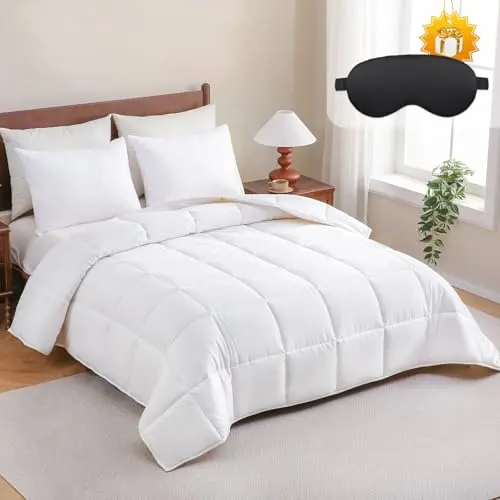
Luxurious All Season Wool Comforter – Balanced Australian Wool Warmth
A 300GSM Australian lamb wool fill wrapped in a breathable OEKO-TEX cotton shell. The queen measures 90 by 90 inches and uses lattice quilting plus eight corner loops to keep the fill in place under a duvet cover.
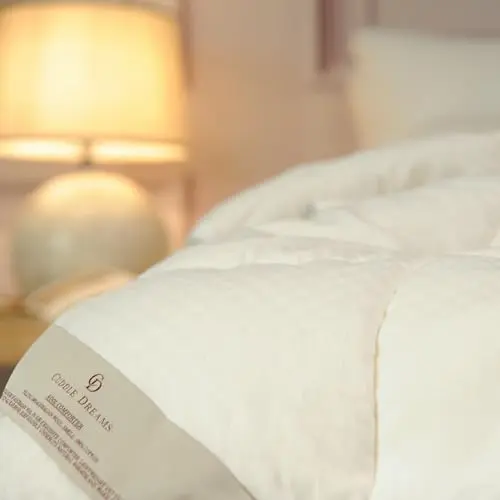
Classic Wool Comforter – Winter Warmth with Quiet Cotton
A winter-weight 400gsm Australian wool fill in a quiet jacquard cotton shell. Double-stitched seams, eight duvet ties, and a small fill-inspection zipper round out the build.
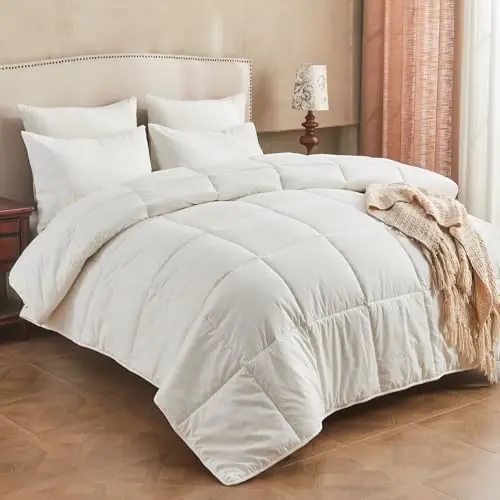
100% Australian Wool Comforter – Organic Cotton All-Season Value
A 100% Australian Merino wool fill with an organic cotton shell, box-stitched for even distribution. The queen measures 90 by 90 inches and includes hidden corner loops plus machine-washable care.
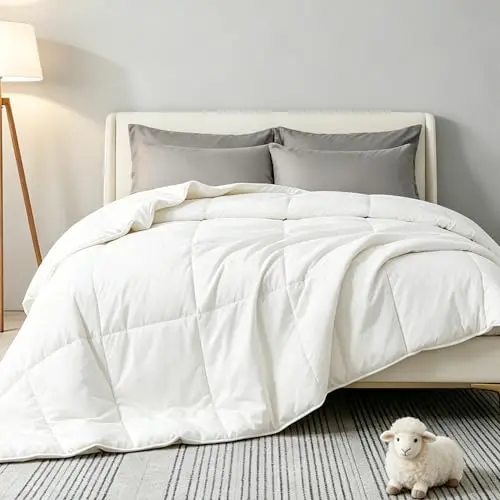
100% Australian Wool Comforter – Ozone-Cleaned Sensitive-Sleeper Pick
A 100% Australian Merino wool fill treated with ozone purification and wrapped in a 400TC organic cotton shell. Box construction, four corner tabs, and machine-washable care keep it practical.
How We Evaluated These Wool Comforters
We didn’t sleep under these comforters for a full season or run lab tests for thermal regulation. What we did: cross-referenced four wool comforter models from four distinct brands across six decision axes – wool fill and purity, fill weight and loft, shell fabric and quilting, breathability and temperature regulation, care requirements, and size and duvet-cover fit. We triangulated published specifications, feature sets, owner feedback where available, and use-case fit for different sleep temperatures. We also audited the fine print on care labels, certifications, and fill composition, because those details separate a genuine wool comforter from a blended one with wool in the name.
The scoring framework weighted real-world fit and performance (70%) – how well each comforter matches its stated season, sleep style, and bed size – against feature differentiation (30%) – meaningful advantages like OEKO-TEX certification, quieter shells, inspection zippers, and machine-washable care. We have no commercial relationship with any of the brands featured; recommendations track fit and differentiation, not brand preference. If you want one comforter to handle most of the year, the YOUR MOON Luxurious All Season Wool Comforter is the most balanced starting point. If your bedroom runs cold and you want a dedicated winter build, the CUDDLE DREAMS Classic Wool Comforter is the stronger match.
How to Choose the Right Wool Comforters
1. What Makes a Wool Comforter Genuinely Wool?
The first thing to separate is fill content from shell fabric. A comforter can have a 100% wool fill and a cotton shell, or it can use a wool-blend fill with polyester added for loft or cost control. Neither is automatically bad, but they’re different products. If pure wool matters, look for a clear fill percentage, a named wool source such as Australian Merino or lamb wool, and a certification that matches the claim.
Watch for vague wording like ‘wool comfort’ or ‘wool blend’ without numbers. A fill inspection zipper or a detailed spec table is a better signal than a headline that simply says wool. The goal is to know what’s inside, not just what’s on the front of the package.
2. Fill Weight and Loft: All-Season vs Winter Wool Comforters
Fill weight is the clearest guide to season. A 300GSM wool comforter usually lands in all-season territory: warm enough for cool bedrooms, light enough that it doesn’t cook you in spring. A 400gsm build is a winter specialist, better for cold rooms or sleepers who like a heavier layer. Loft matters too, because two comforters with the same weight can feel different depending on how the wool is carded and quilted.
If you want one comforter for most of the year, the YOUR MOON Luxurious All Season Wool Comforter is the balanced pick in this lineup. If your bedroom runs cold and you want a dedicated winter build, the CUDDLE DREAMS Classic Wool Comforter is the stronger match.
3. Shell Fabric, Quilting, and Duvet Tie Details
The cotton shell affects how the comforter feels and sounds. A tightly woven cotton, especially a 400TC or jacquard weave, tends to feel smoother and can help keep wool fibers from poking through. A basic shell may be perfectly serviceable, but it may also rustle more or let more fiber escape over time.
Construction details are worth checking: box-stitch quilting keeps fill from shifting, while corner loops or ties keep the insert anchored inside a duvet cover. Eight loops are better than four if you move around a lot. A small inspection zipper is a bonus because it lets you see the fill without cutting the shell.
4. Temperature Regulation and Moisture Management
Wool’s big advantage is temperature regulation: it can absorb moisture vapor and release it instead of trapping it against your skin. That’s why a good wool comforter feels warm without the clammy, overheated feeling of some synthetic fills. The effect depends on fill quality, shell breathability, and how heavy the comforter is.
If you sleep hot, don’t assume all wool comforters are the same. A medium-weight build with a breathable cotton shell will feel very different from a dense winter comforter. Look for moisture-wicking language that’s backed by the fill and shell specs, not just a marketing badge.
5. Care Requirements for Wool Comforters
Care is where wool comforters split sharply. Some are dry clean only, while others are machine washable on a gentle cold cycle. Always follow the specific label: hot water, heavy agitation, and high heat can shrink or felt wool. For dry-clean-only models, airing and spot cleaning will stretch the time between professional cleanings.
If easy care is near the top of your list, the KUSNUG Wool Comforter is the practical option here, with a machine-washable build and an organic cotton shell. Just use a wool-safe cycle and a low-heat tumble or line dry, and verify the fill details if pure wool is a must.
6. Wool Comforter Sizing and Duvet Cover Fit
Size sounds simple until you put a comforter inside a duvet cover. A queen size comforter is often around 90 by 90 inches, but some run 88 by 88. If you like generous drape, size up or check the dimensions against your mattress and cover. A comforter that’s too small will leave cold spots at the edges and look skimpy under a cover.
Check the duvet cover compatibility too: corner loops, ties, and a true-to-size cut matter more than a few extra inches of fabric. If you use a cover, a slightly larger comforter can be fine; if you use it bare, fit matters more.
7. Budget, Mid-Range, and Premium Wool Comforter Tiers
Wool comforters span entry-level, mid-range, and premium tiers. Entry-level picks often use a simpler cotton shell and a lighter fill, while mid-range models add certifications, better quilting, and more thoughtful details like inspection zippers or eight corner loops. Premium comforters tend to spend more on fill purity, shell quality, and construction consistency.
The smart move is to pay for the features you’ll actually use: a fill weight that matches your sleep temperature, a shell that feels good to you, and care requirements you can live with. Certification and construction are worth more than a fancy name if you want the comforter to last.
Frequently Asked Questions
1. What's the difference between the YOUR MOON All Season Wool Comforter and the CUDDLE DREAMS Classic Wool Comforter?
The short version: YOUR MOON is the all-season 300GSM pick, with a 90-by-90 queen and a medium-weight feel that suits most bedrooms. CUDDLE DREAMS is the winter-weight 400gsm option, with a quieter jacquard shell, eight duvet ties, and a small inspection zipper. Both use Australian wool and OEKO-TEX certification, and both are dry clean only. Choose YOUR MOON if you want one comforter for most of the year; choose CUDDLE DREAMS if your room runs cold and you want a dedicated winter build.
2. Are all wool comforters actually 100% wool?
No. Some wool comforters use a 100% wool fill, while others blend wool with polyester or use a wool-rich fill with a different shell. The fill content and shell fabric are separate specs, so read both. A 100% cotton shell is common even when the fill is pure wool. If purity matters, look for a fill inspection zipper or clear certification, and treat vague ‘wool’ claims as a prompt to dig deeper. The KUSNUG listing, for example, has drawn conflicting owner reports about its fill composition, which is exactly why verification matters.
3. How does the KUSNUG Wool Comforter compare with the Cobnom Wool Comforter?
Both are all-season wool comforters with organic cotton shells and machine-washable care, but they solve different concerns. KUSNUG leans into 100% Australian Merino wool and a 6.5-pound build, with a value positioning and a 90-night guarantee. Cobnom focuses on ozone purification for low odor, a 400TC organic cotton shell, and a lighter, low-loft feel that some sleepers prefer. If you want a bit more substance and easy care at a lower entry point, KUSNUG is the practical choice. If odor sensitivity or a smoother, tighter shell is the priority, Cobnom is the more targeted pick. Verify fill details on KUSNUG if pure wool is non-negotiable.
4. Is a wool comforter warm enough for winter?
Yes, if you choose the right fill weight. A 300GSM all-season comforter works for most bedrooms, especially with a duvet cover, while a 400gsm winter comforter is better for cold rooms or sleepers who like a weightier feel. Wool’s temperature regulation means it can feel warm without the clammy buildup of some synthetic fills. If you sleep hot, start with a medium-weight wool comforter and add a blanket on the coldest nights rather than jumping straight to a winter-only build.
5. How do you clean a wool comforter?
Start with the care label, because the range is wide. Some wool comforters are dry clean only, while others allow a gentle cold machine wash and a low-heat tumble. Avoid hot water, heavy agitation, and high heat, which can shrink or felt the wool. For dry-clean-only models, air them out regularly and spot clean small marks. Use a duvet cover to cut down on washing frequency, and let the comforter fully dry before storing it.
Final Verdict
For most sleepers, the YOUR MOON Luxurious All Season Wool Comforter is the easiest recommendation: a 300GSM Australian wool fill, a breathable OEKO-TEX cotton shell, and enough loft for cool bedrooms without feeling like a winter-only duvet. It’s the balanced middle that most beds can live with. If your room runs cold, the CUDDLE DREAMS Classic Wool Comforter is the dedicated winter pick, with a 400gsm fill and a quiet jacquard shell. If you want the lowest entry point and machine-washable care, the KUSNUG Wool Comforter gets you into natural wool bedding without a premium spend, though you should verify the fill composition. And if odor sensitivity is the deciding factor, the Cobnom Wool Comforter is the more targeted choice thanks to its ozone-purified fill and low-odor positioning. Match the comforter to your sleep temperature, not the label alone.
