
Best Zipper Duvet Covers – 2026 Reviews

Stuffing a duvet into its cover is one of those chores that either takes ninety seconds or turns into a wrestling match, and the closure is usually the reason. A well-designed zipper runs smoothly, hides out of sight, and keeps the insert from shifting around all night. A cheap one snags, splits, or pokes through the fabric.
Zipper closures have quietly become the default for anyone upgrading from buttons, but not all zips are equal. The details that separate a keeper from a return are a hidden or double-head zipper that stays flat, generous corner ties that actually anchor the insert, and a fabric that breathes instead of trapping heat.
We cross-shopped the category across brands and price tiers to find the zipper duvet covers that hold up in real bedrooms, from budget-friendly microfiber to premium washed cotton. Here’s how they stack up.
Best Zipper Duvet Covers – 2026 Reviews
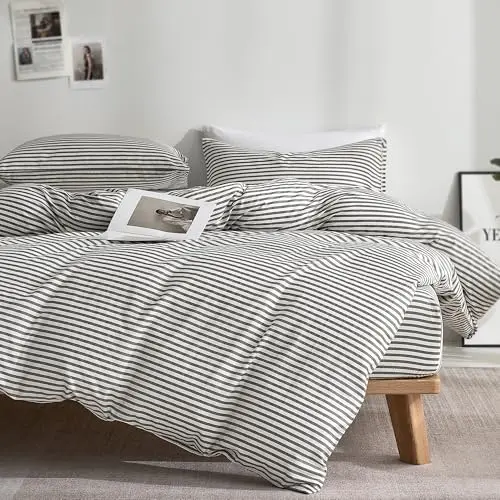
Classic Striped Cotton – Double-Zipper Comfort
A 100% cotton duvet cover built around one of the more thoughtful closures in this lineup: a double-head hidden zipper that opens from either end and vanishes into the seam when closed. Eight corner ties hold the insert steady, and the Oeko-Tex certification backs up the breathable, skin-friendly cotton and classic stripe.
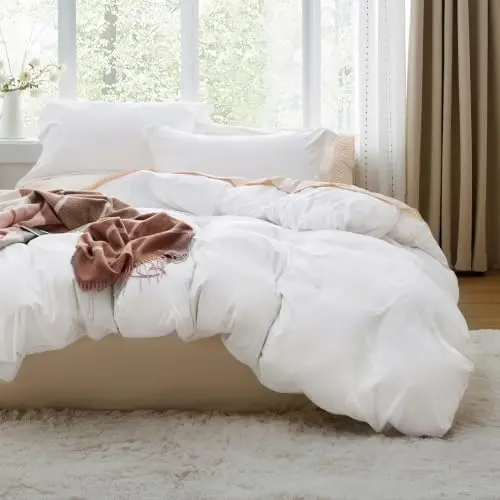
Prewashed Microfiber – Soft Relaxed Everyday Pick
A prewashed microfiber duvet cover with a relaxed, natural texture and a quiet, crinkle-free feel. Eight corner ties and a hidden zipper keep the insert secure and sealed fast, and the Oeko-Tex certification adds peace of mind for year-round use.
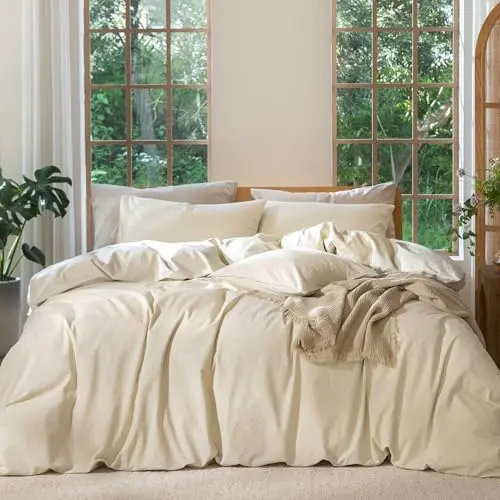
Washed Cotton Linen-Like – Relaxed Resort Texture
A 100% washed cotton duvet cover with a lived-in, linen-like texture that gets softer every wash. A hidden zip and eight interior corner ties keep the insert locked and the look relaxed, the closest thing to a resort bed without the splurge.

Blue Leaf Cotton – Reversible Patterned Breathable
A 100% cotton duvet cover in a reversible leaf print, with a long hidden zipper for easy loading and eight corner ties to keep the insert in place. Fade- and stain-resistant dye holds the pattern through washes.
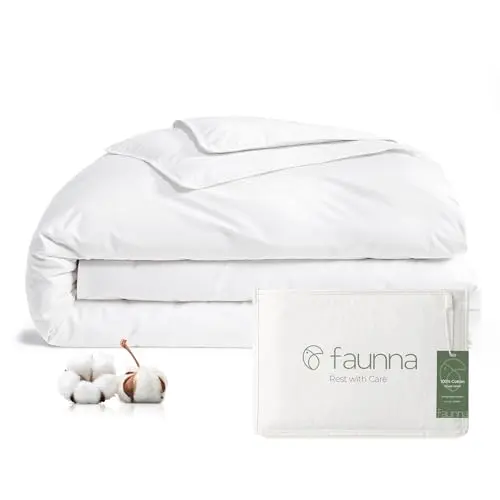
Dust Mite Cotton – Allergy-Focused Protection
A 100% cotton duvet cover built for allergy sufferers: a tight, high-density weave plus Microban antimicrobial treatment aims to block dust mites and odor-causing bacteria. A full hidden zipper and Oeko-Tex cotton round it out.

Double-Brushed Microfiber – Hotel-Smooth Softness
A double-brushed microfiber duvet cover with a smooth, hotel-style softness and a hidden zipper that seals fast. Eight corner ties keep the insert in place, and the fabric is lightweight enough for year-round use.
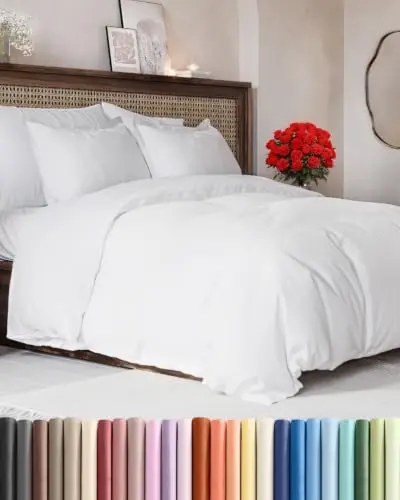
Double-Brushed Set – Soft, Fade-Free Everyday
A double-brushed microfiber duvet set designed for busy households: extra-soft, fade-free, and easy to wash. Features a zipper closure and eight ties for a snug, secure fit on the insert.

Brushed Microfiber – Wrinkle-Free Everyday Value
A brushed microfiber duvet cover set with a wrinkle-resistant finish and a hidden zipper that keeps the insert secure. Comes as a full three-piece set with pillow shams, and holds its color and shape over time.

Lightweight Microfiber – No-Frills Budget Pick
A lightweight polyester microfiber duvet cover with a zipper closure and internal ties at an entry-level tier. Oeko-Tex Made in Green certified and machine washable for low-effort care.
How We Evaluated These Zipper Duvet Covers
We didn’t sleep under every one of these covers for a month or run repeated wash-cycle durability trials. What we did: cross-referenced 9 duvet covers from 8 distinct brands across five decision axes – zipper and closure design, corner-tie construction, fabric breathability, build quality and stitching, and care routine. We triangulated published specifications, feature sets, and owner feedback where available, then mapped each option against the way real people actually use a duvet cover: stuffing, washing, and re-making the bed week after week.
Because this is a zipper-focused roundup, closure design carried extra weight. We looked at whether each zipper is hidden, double-headed, or single-pull, how smoothly it runs, and whether the ties actually keep an insert from bunching. The scoring framework weighted real-world fit and performance (70%) – how well each cover holds its insert, breathes, and survives regular washing – against feature differentiation (30%) – the closure, tie count, and fabric choices that set these apart. We have no commercial relationship with any brand here; recommendations track fit and differentiation, not brand preference. If you want the best all-around balance, the Classic Striped Cotton is our pick; if budget drives the decision, the Prewashed Microfiber delivers a lot for the money.
How to Choose the Right Zipper Duvet Cover
1. Why Choose a Zipper Duvet Cover Over Buttons?
For most beds, a hidden zipper is simply more convenient than buttons. It’s faster to load – you unzip, tuck the insert in, and pull – and it closes the whole edge flush, so there are no button gaps to fuss with and nothing to re-thread when a button loosens. The tradeoff is that zipper quality matters: a cheap zip can snag or split, so check for closure complaints. A well-made one runs smoothly for years and stays hidden in the seam.
2. How Corner Ties Keep Your Duvet Cover From Bunching
Ties are what keep your duvet from turning into a lumpy pile by morning. The best covers use corner ties on all four corners plus ties along the sides – eight tie points is the sweet spot, so the insert stays put and doesn’t bunch or slide. Four corner-only ties are the minimum; if you toss and turn, spring for eight. If you want maximum anchoring, the Classic Striped Cotton runs eight ties with a double zipper to match.
3. Cotton vs. Microfiber for a Zipper Duvet Cover
This is the biggest fork in the category. Breathable cotton is the natural choice – it wicks heat, feels cooler on warm nights, and gets softer with age, but it wrinkles and costs more. Wrinkle-resistant microfiber is smoother, cheaper, and nearly care-free, though it can trap heat for hot sleepers and feels more synthetic. Sweat at night? Lean cotton. Want low maintenance and softness on a budget? Microfiber is fine. A washed-cotton option like the Washed Cotton Linen-Like splits the difference with texture and breathability.
4. Hidden vs. Double-Head Zippers: Which Closure to Pick
Most zipper duvet covers use a single hidden zipper down one side, which is perfectly serviceable. A double-head zipper is the upgrade – it opens from either end, so loading and removing the insert takes less wrestling, and it can zip closed from the middle. Pay attention to zipper length too: a longer run makes the whole process easier. Whatever the type, check that the zip sits smoothly and is sewn under a protective flap so it doesn’t dig in.
5. Sizing and Care for Your Zipper Duvet Cover
Start by matching the cover to your insert, not the mattress. Measure your insert (a queen duvet is typically 90 by 90 inches) and buy the same size; if you want a draped, hotel-style look, size up one step based on mattress height. For care, wash cold on a gentle cycle and tumble low to protect the fabric and stitching – and zip the cover before washing so the teeth don’t snag other linens. Skip bleach and high heat to keep colors and the zip intact.
Frequently Asked Questions
1. Are zipper duvet covers better than button closures?
For most people, yes. A hidden zipper loads faster, closes the edge flush, and never leaves button gaps or loose threads to deal with. Buttons cosmetically suit some traditional styles, but a zipper is more practical day to day. The catch is quality – a flimsy zip can snag or split, so favor covers with a smooth-running closure and a protective flap.
2. How many corner ties should a zipper duvet cover have?
Eight is ideal – four corners plus four side ties – because it keeps the insert from bunching in the middle, not just at the edges. Four corner-only ties are the minimum and are fine for a rarely used guest bed. If you toss and turn or use a heavy insert, more tie points mean far less morning re-shuffling.
3. What's the difference between the JELLYMONI Classic Striped and the MooMee Washed Cotton duvet cover?
Both are 100% cotton with hidden zippers and eight corner ties, so the split comes down to feel and finish. The JELLYMONI Classic Striped pairs a double-head zipper with a crisp striped weave and a slightly more polished look. The MooMee leans into a washed, linen-like texture that’s intentionally relaxed and gets softer with each wash. Choose JELLYMONI for the better zipper and structure; choose MooMee for a lived-in, resort-style feel.
4. What's the difference between the Bedsure Prewashed and the Amazon Basics Microfiber duvet cover?
They’re both budget-friendly microfiber covers, but they land differently. The Bedsure Prewashed Microfiber has a softer, prewashed texture, eight ties, and a more reliable hidden zipper, and it’s Oeko-Tex certified. The Amazon Basics set is lighter and roomier, with a fit some find wide, and its zipper durability is more hit-or-miss. For most buyers the Bedsure is the steadier value; the Amazon Basics wins only on the lowest tier.
5. Will a zipper duvet cover fit my comforter?
It will if you match the cover to your insert size, not your mattress. Measure the duvet itself – a queen is typically 90 by 90 inches – and buy the matching size. If your insert is puffy or you want a draped look, sizing up one step helps. The corner ties then do the rest, holding the insert so it doesn’t slide or clump.
Final Verdict
For most shoppers, the JELLYMONI Classic Striped Cotton is the answer – a breathable 100% cotton cover with a genuinely better double-head zipper and eight ties, so it looks polished and holds its insert without fuss. If you want the best balance of price and softness, the Prewashed Microfiber gets you most of the way for a budget-friendly tier. Want that relaxed resort-cotton feel and don’t mind a crease? The Washed Cotton Linen-Like is the premium pick. And if the budget is the hard line, the Amazon Basics Microfiber covers the essentials at the lowest tier. Match the cover to your insert size, favor eight ties over four, and check the zipper type – do that, and any of these will make laundry day easier than the buttons you’re replacing.
